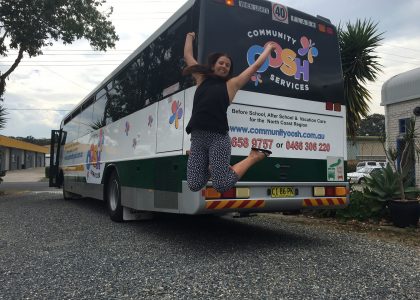



Transporting children: Training video and resources reinforces critical safety practices for ECEC services

Approved providers and educators transporting children as part of their early childhood education and care (ECEC) service operations are being urged to revisit transport safety procedures, supported by an updated training video designed to strengthen compliance and reduce risk.
The step-by-step Look Before You Lock video is part of a wider national safety initiative aimed at preventing children from being left unattended in vehicles. It aligns with Regulation 168(2)(ga) of the Education and Care Services National Regulations, which requires services to have specific policies and procedures in place for the safe transportation of children.
This resource is essential for services that offer regular or occasional transportation, whether to and from home, schools, or on excursions, and complements existing obligations under the National Quality Framework (NQF).
Leaving a child unaccounted for in a vehicle, whether due to distraction, fatigue, or a change in routine—can have devastating consequences. The internal temperature of vehicles can rise rapidly, becoming life-threatening even in mild conditions. A child left alone in a vehicle is not only vulnerable to heat-related injury or death, but also unprotected in the event of an emergency.
Making safety checks routine helps mitigate these risks and reinforces a strong culture of supervision and accountability within services.
ECEC services are strongly encouraged to:
- Review and update transport-related policies and procedures regularly.
- Train all staff on their responsibilities when transporting children.
- Embed safety into everyday practice with physical checks, roll calls, and attendance records for every journey.
- Use the department’s training video to support consistent implementation across teams.
Watch the step-by-step video: Look Before You Lock procedural video
Explore supporting resources: Transport safety resources
The campaign also encourages families to build safety routines into their everyday lives:
- Place an essential item (like a bag or wallet) in the back seat to prompt a visual check.
- Attach a mirror to rear-facing seats.
- Repeat a mental checklist: baby, keys, bag – every time.
- Discuss routines with anyone who may drive the child, including extended family and carers.
Look Before You Lock. Every. Single. Time.
If an emergency occurs:
- Stay calm, think clearly, and act quickly.
- Call 000 if there are any concerns for the child’s health.
- Contact your roadside assistance provider if necessary.
A comprehensive suite of resources, available in multiple languages, includes posters, postcards, stickers, social media tiles and email signatures. Services can download materials or request printed versions.
Access translated postcards and educator resources here.
Download The Sector's new App!
ECEC news, jobs, events and more anytime, anywhere.




Popular
Policy
Provider
Practice
Quality
VECRA issues Emergency Action Notice over unsafe sleep practices
2026-01-27 08:00:19
by Fiona Alston
Provider
Economics
Quality
Family-owned Childcare business welcomes back Subiaco community after devastating fire
2026-01-27 11:30:33
by Contributed Content
Policy
Provider
Quality
Research
Workforce
Victorian Parliament releases key paper on child safety and reform in ECEC
2026-01-23 09:52:28
by Fiona Alston