



Advocacy
Compliance

Quality

Workforce
Salmonella is no yolk – check your eggs ECEC, NSW Food Authority warns
Freya Lucas
Feb 04, 2019
Save
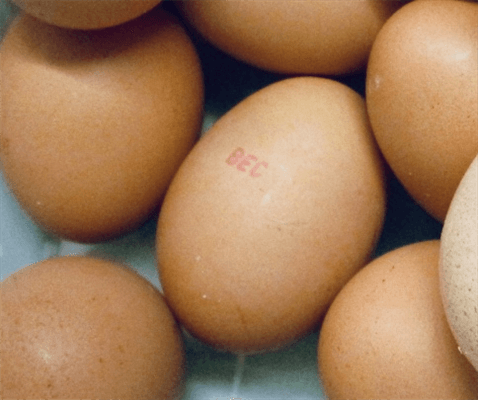
The NSW Food Authority has urged early childhood education and care (ECEC) services to check their kitchens for any eggs marked with the identifying stamp BEC or BEC115 amidst contamination fears for a particular strain of salmonella.
The BEC or BEC115 stamp is found on the shell of individual eggs, not on the carton, the Authority said, with only these eggs affected.“All other eggs are safe to eat, provided people exercise the usual caution required for a special care food like eggs such as washing your hands and avoiding raw egg products particularly in vulnerable populations such as the immune compromised, under two years of age or pregnant,” NSW Food Authority CEO Dr Lisa Szabo said.
A rise in salmonella was common during the warmer summer months, Dr Szabo said, adding it was important for consumers to know that not all eggs are impacted.
“This is an opportune time to remind people to practice good hygiene generally when preparing food and to always keep their hands, surfaces and utensils clean and dry before and after handling eggs.” Dr Szabo added.
Salmonellosis symptoms include fever, headache, diarrhoea, abdominal pain, nausea and vomiting. Symptoms usually start around six to 72 hours after the contaminated food is eaten and usually last for four to seven days but can continue for much longer.
In the event of immediate health concerns, ECEC services were encouraged to contact a medical professional in the first instance.
NSW Health data indicates that during January 2019, 412 cases of Salmonella infection have been notified, which is similar to the number notified during January in recent years. Children under 5 years of age account for most cases notified.
The NSW Food Authority placed a Prohibition Order on the business that produced the eggs earlier in January preventing them from selling eggs while the possible salmonella contamination was investigated.
“While it is likely that most affected eggs are no longer in the supply chain, it is possible that people may have purchased them earlier and still have some at home in the fridge or pantry,” Dr Szabo said.
“We’d just like people to check and if they do have any eggs stamped BEC or BEC115 to throw them out to avoid any risk of food poisoning.”
Further information about how to reduce food safety risk when consuming eggs can be found at www.foodauthority.nsw.gov.au/eggs


Don’t miss a thing



Related Articles