


ELLA marks 10 years and expands into primary schools, giving more young Australians the chance to learn a new language

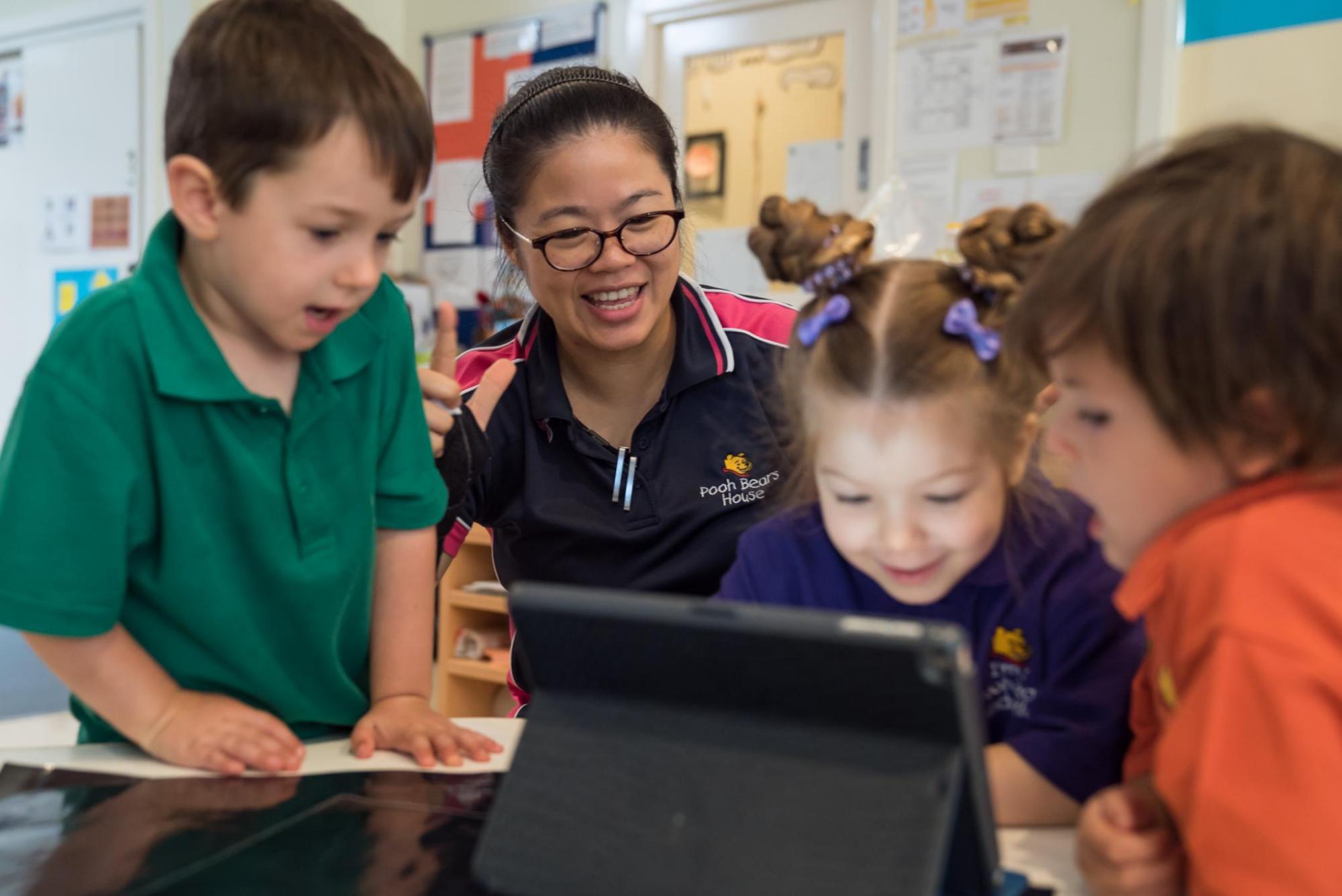
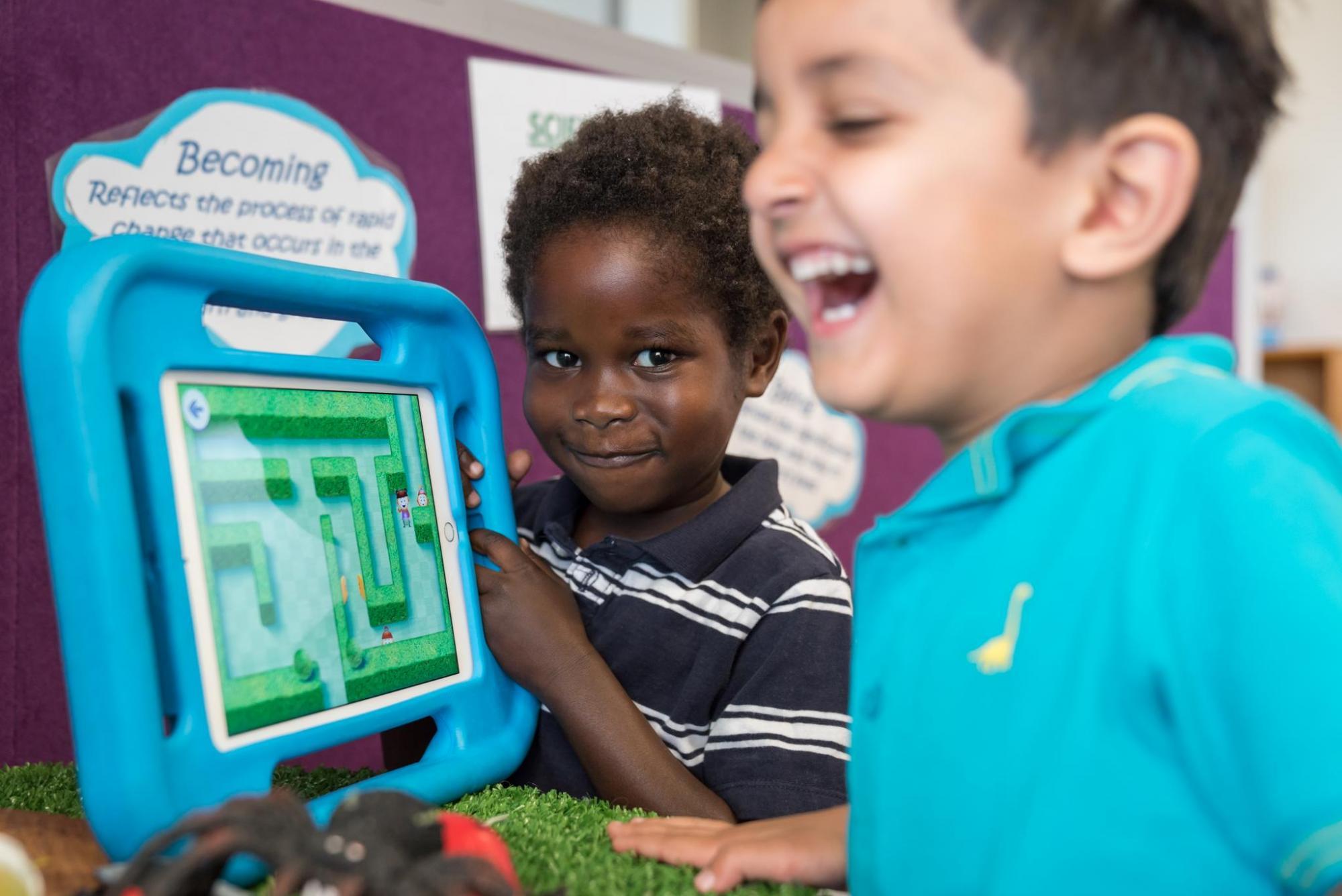
The Early Learning Languages Australia (ELLA) program delivered by Education Services Australia is celebrating 10 years of introducing young children to new languages through play, digital learning and cultural exploration. Today ELLA announces its next chapter: an expansion into Foundation to Year 2 (F-2) classrooms, with registrations now open for schools to participate for free from 2026.
Since launching in 2014, and rolling out nationally in 2017, ELLA has reached more than 1 million children across over 5,000 early learning services, supporting exploration of up to 13 languages aligned with the Australian Curriculum, including Japanese, Mandarin, French, Arabic, Hindi, German and Korean. The program forms part of the Australian Government’s investment of $34.6 million over the next four years in the Teacher Resource Hubs, providing curriculum-aligned, evidence-backed resources for educators and families nationwide.
Building on a decade of proven success in early childhood settings, the expansion into F–2 will give primary school language teachers access to 11 immersive, easy-to-use apps and supporting classroom resources for each language
The move opens the door for more children to build confidence, curiosity and intercultural understanding from their first years of school.
In its first 10 years, ELLA has become one of Australia’s most significant early language learning initiatives:
- More than 98% of educators report high engagement with the Polyglots play-based apps.
- Two-thirds of families say their children spontaneously use new language at home.
- Educators credit ELLA with strengthening early communication, literacy and inclusion, particularly in communities without access to specialist language teachers.
- Families describe ELLA as a bridge between cultures, helping children see themselves in a broader world.
- The Polyglots apps bring language learning to life through art, music, cooking, imaginative play and everyday routines children recognise.
The expansion into primary schools is also designed to support teachers in rural, regional and remote settings and those teaching out-of-field.
By ensuring high-quality digital and printable resources are free and accessible, ELLA continues to advance equity in language learning across Australia.
“ELLA began with a simple idea: that every child, regardless of where they live or what language their family speaks, should have the chance to see language as a bridge, not a barrier,” said Amanda Macdonald, Early Learning Specialist at Education Services Australia. “A decade on, we’re proud to extend that opportunity into the early years of primary school.”
Primary schools are now able to apply to join the F–2 rollout via the ELLA website.
“Teachers tell us ELLA is one of the most transformative programs they’ve used,” said Ms Macdonald. “The expansion into F–2 means more children can build early language skills in a fun, culturally rich and developmentally appropriate way. It also gives teachers practical, evidence-based tools they can use straight away, no matter their language background.”
Download The Sector's new App!
ECEC news, jobs, events and more anytime, anywhere.




Popular
Workforce
Quality
Practice
Research
Policy
Ratios versus environments: Why ECEC quality reform must treat staffing and space as one system
2026-01-28 07:30:13
by Fiona Alston
Policy
Provider
Quality
Research
Workforce
Victorian Parliament releases key paper on child safety and reform in ECEC
2026-01-23 09:52:28
by Fiona Alston
Workforce
Practice
Quality
Research
Australia Day Honours 2026: Two early childhood leaders recognised nationally
2026-01-27 07:00:00
by Fiona Alston