

In The Field
Marketplace

Practice
Professional development

Quality

Research
Services

Workforce
Unlocking social skills, self-confidence and voice through music with hey dee ho
FDC-Friendly
Fiona Alston
Nov 18, 2025
Save
In the early years of children’s development, opportunities for turn-taking, role-play, and expressing a sense of self are vital. Embedding these within a rich musical framework enhances more than just the tune, it cultivates communication, resilience and a strong voice. That's where hey dee ho's innovative early childhood music program becomes a key partner for educators, service owners and families alike.
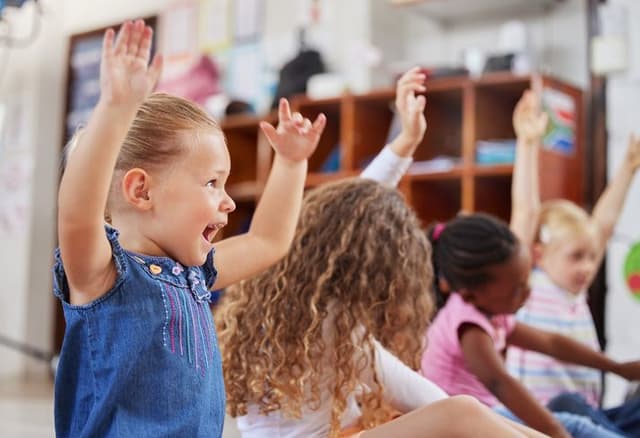
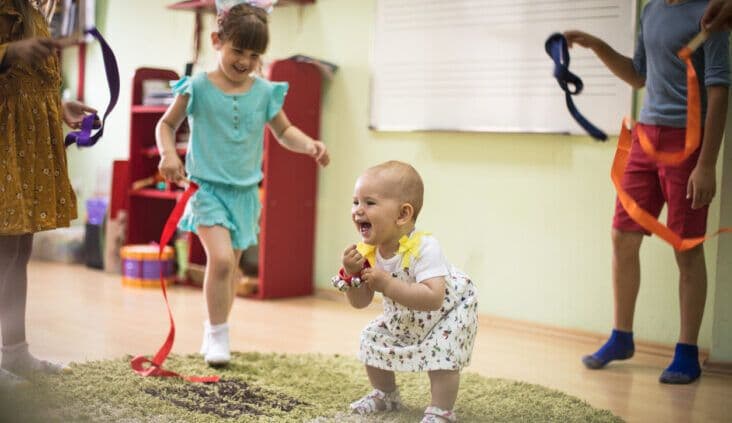
Music as a vehicle for social skills and turn-takingIn group music experiences, children learn not only rhythm, pitch and tempo but also the art of waiting, listening, responding and sharing space. Through structured activities such as passing an instrument, echo singing, or a "pass it on" game, children practice taking turns and valuing others’ contributions. These shared musical interactions strengthen relationships, nurture empathy and promote a sense of inclusion.
When music is used intentionally by educators, it becomes a dynamic tool for supporting social-emotional learning. Singing together, responding to cues, and waiting for a turn within a musical pattern mirrors the social skills children use in everyday play and learning. Music also provides a predictable, supportive structure where children feel safe to experiment, take risks and build confidence.
hey dee ho’s play-based music programs support social-emotional learning by encouraging confidence, cooperation and creative expression. They can also be used to deepen curriculum outcomes and support holistic learning in alignment with the Early Years Learning Framework (EYLF).
Fostering sense of self and giving children a voice
Beyond turn-taking, music gives children a platform to express their emotions, ideas and identity. When children are invited to take the lead, create lyrics or choose an instrument, they develop a sense of agency.
Songs can be used to explore everyday social situations from greeting a friend, expressing feelings and emotions, sharing a toy or navigating exclusion through safe, supported role-play.
Educators can intentionally embed social-emotional learning into everyday programs using music and movement.
The following songs from hey dee ho’s YouTube channel supports children’s development through music. Each one aligns with the Early Years Learning Framework (EYLF) outcomes and offers a playful way to embed Belonging, Being and Becoming in your setting.
- Take a Deep Breath: Supports emotional regulation, self awareness and calming strategies.
- Hand On Your Shoulder: Encourages self-worth, affirmation and belonging.
- Let’s Go for a Walk to the Playground: Builds cooperation, movement and turn taking.
- Pop the Bubbles: Enhances fine motor skills and group timing through shared fun.
- Put Your Finger on Your Nose: Reinforces body awareness and supports confident leadership and the child’s voice.
Preparing children for school and lifelong learning
Beyond supporting immediate developmental milestones, music education lays a strong foundation for school readiness. Participation in structured music sessions fosters essential skills such as active listening, following directions, memory recall, and the ability to focus for extended periods. These experiences help children become more confident learners who are prepared for the expectations of school life.
Music also nurtures cognitive development and early literacy. Rhyme, rhythm and repetition enhance phonemic awareness, a key building block for reading. Exposure to diverse vocabulary through song expands language, while musical games support mathematical thinking through patterns, counting and sequencing.
Equally important, music strengthens social and emotional learning both critical for school adjustment. Group singing, partner activities and musical games teach cooperation, empathy and respectful communication. Children practise taking turns, negotiating group roles and understanding how their actions affect others.
Importantly, music inspires a love of learning that extends beyond the early years. Children develop curiosity, perseverance and the joy of creative exploration all traits that underpin lifelong learning.
Using music as a tool to build voice, identity and social skills directly supports EYLF outcomes:
- Belonging: Songs and games connect children with others and promote inclusive participation.
- Being: Children experience joy in music, express who they are and feel respected and understood.
- Becoming: Musical interactions encourage problem-solving, communication and emotional growth.
Through quality music programs such as those offered by hey dee ho, children engage in meaningful, playful experiences that foster belonging through shared song and action, support being by helping children recognise themselves and their interactions, and promote becoming as they develop turn-taking, social and expressive capabilities.”
Explore more with hey dee ho
To explore how music can support social skills, turn-taking, role-play, self-confidence and children’s voice in your early learning setting, visit heydeeho.com.au and explore their YouTube channel hey dee ho Educational Services.


Don’t miss a thing


Related Articles