



Research
Japanese research indicates more screen time at 2 means poor communication at 4
Freya Lucas
Feb 07, 2023
Save
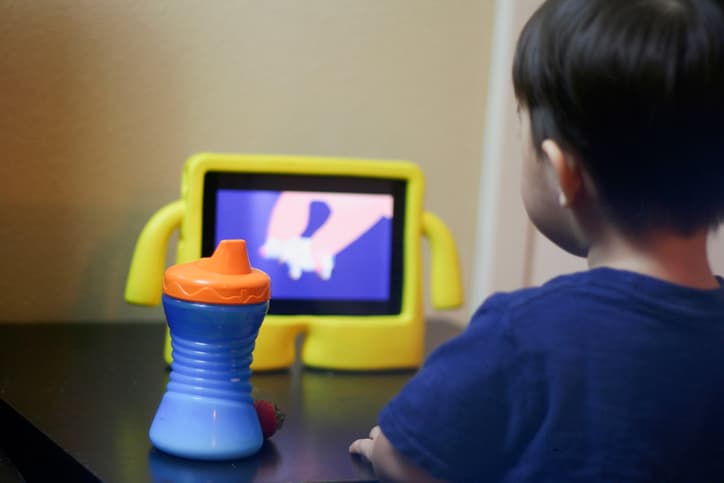
New Japanese research from Osaka University has found that increased screen time at two years of age results in poorer communication and daily living skills at four years of age, and that outdoor play time can negate some of the negative effects of screen time.
In the study, which will be published in March in JAMA Pediatrics, the researchers followed 885 children from 18 months to four years of age. They looked at the relationship between three key features:
- average amount of screen time per day at age two years;
- amount of outdoor play at age two years eight months; and,
- neurodevelopmental outcomes – specifically, communication, daily living skills, and socialisation scores according to a standardised assessment tool called Vineland Adaptive Behavior Scale-II – at age four years.
"Although both communication and daily living skills were worse in four-year-old children who had had more screen time at aged two years, outdoor play time had very different effects on these two neurodevelopmental outcomes," explained lead author Professor Kenji J. Tsuchiya.
“We were surprised to find that outdoor play didn't really alter the negative effects of screen time on communication – but it did have an effect on daily living skills."
Specifically, almost one-fifth of the effects of screen time on daily living skills were mediated by outdoor play, meaning that increasing outdoor play time could reduce the negative effects of screen time on daily living skills by almost 20 per cent. The researchers also found that, although it was not linked to screen time, socialisation was better in four-year-olds who had spent more time playing outside at two years eight months of age.
"Taken together, our findings indicate that optimizing screen time in young children is really important for appropriate neurodevelopment," senior author Tomoko Nishimura added.
"We also found that screen time is not related to social outcomes, and that even if screen time is relatively high, encouraging more outdoor play time might help to keep kids healthy and developing appropriately."
These results are particularly important given the recent COVID-19-related lockdowns around the world, which have generally led to more screen time and less outdoor time for children. Because the use of digital devices is difficult to avoid even in very young children, further research looking at how to balance the risks and benefits of screen time in young children is eagerly awaited.
To access the research in full, please see here.


Don’t miss a thing




Related Articles