Why energetic play is essential for holistic child development
 Article
Research shows that nine in 10 young children are not meeting the recommended levels of daily physical activity, despite strong evidence that movement is fundamental to children's learning, health and wellbeing. For early childhood education and care (ECEC) services, creating opportunities for energetic play is not simply good practice, it is an important part of delivering high-quality education and care.
The early years are a critical period of growth and development. As children's brains and bodies develop rapidly, regular physical activity supports strong foundations for lifelong learning, health and wellbeing.
Yet many young children are not getting enough opportunities for energetic play. According to the Australian Children's Education and Care Quality Authority (ACECQA), increasing movement throughout the day can have significant benefits for children's physical, cognitive, social and emotional development while supporting quality practice across the ECEC sector.
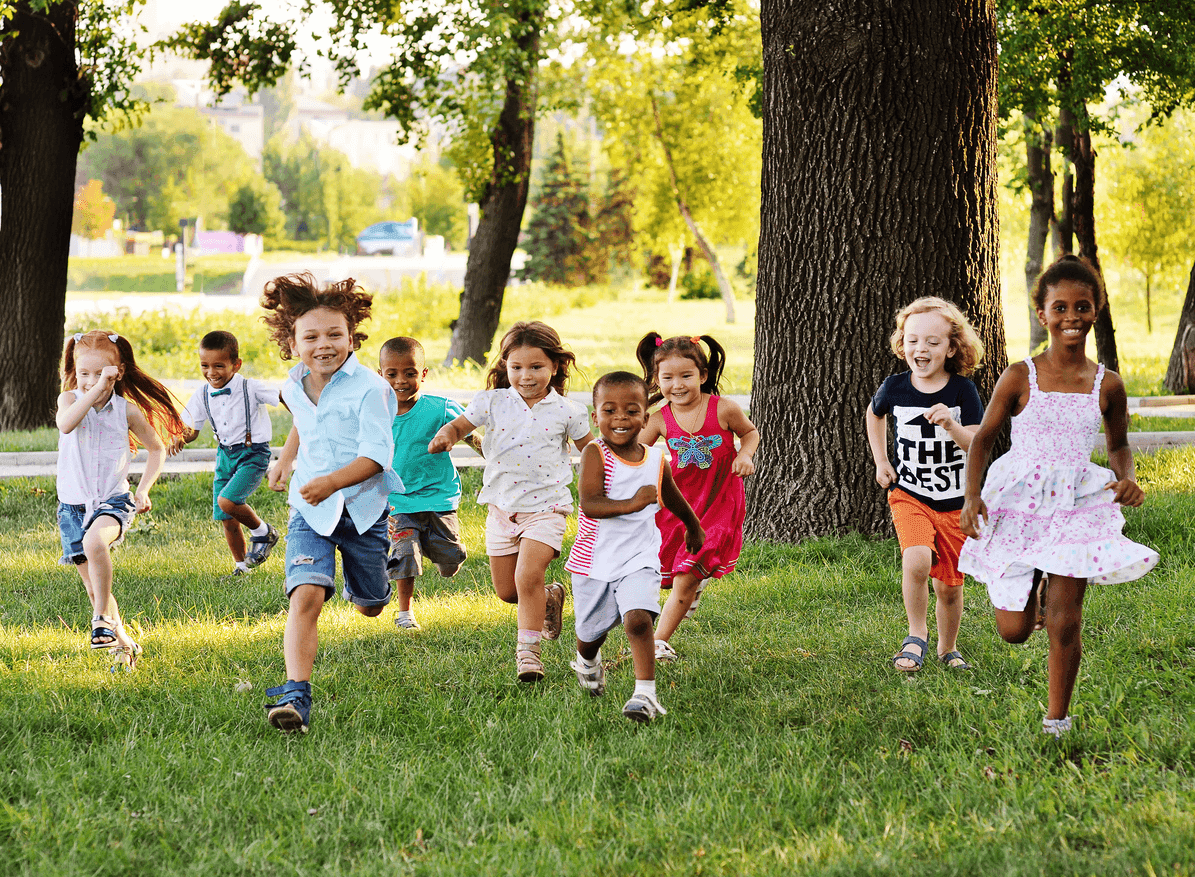
Energetic play, the huff-and-puff moments of running, jumping, climbing, dancing and active exploration, contributes to children's development in multiple ways.
Regular movement helps children:
- build strong bones, muscles and cardiovascular fitness
- strengthen concentration, creativity and problem-solving skills
- develop confidence, resilience and cooperation
- improve self-regulation while reducing sedentary behaviour.
These experiences also support Outcome 3 of the Early Years Learning Framework (EYLF V2.0), which focuses on children's social, emotional and physical wellbeing and encourages children to become increasingly responsible for their own health and physical wellbeing.
Supporting children to be physically active is also embedded within the National Quality Standard (NQS).
Quality Area 1 recognises that educational programs should enhance each child's learning and development, while Element 2.1.3 requires that healthy eating and physical activity are promoted in ways that are appropriate for every child.
Rather than being viewed as a separate activity, energetic play can be intentionally incorporated throughout the day as part of play-based learning, intentional teaching and everyday routines.
Outdoor environments also play an important role. Element 3.2.1 encourages services to provide inclusive outdoor spaces that invite exploration, movement and active play.
To help services embed movement into everyday practice, ACECQA is highlighting Play Active, an evidence-based program developed in partnership with the ECEC sector, researchers and health organisations.
The program provides services with:
- a tailored physical activity policy
- 25 practical procedures for embedding movement into everyday routines
- free professional learning for educators
- planning templates, assessment tools and family engagement resources.
Play Active was co-developed with organisations including the Australian Childcare Alliance, Goodstart Early Learning, YMCA, Nature Play Australia, Play Australia, Health and Wellbeing Queensland and leading Australian universities and research institutes.
The initiative is supported through funding from the Australian Medical Research Future Fund (MRFF), Healthway and the ARC Centre of Excellence for Children and Families over the Life Course.
Creating opportunities for movement does not require specialist equipment or structured fitness sessions. Small changes throughout the day can have a significant impact.
Services can encourage energetic play by:
Scheduling movement experiences
Plan activities such as obstacle courses, water play, dance-and-freeze games or Play Active's Move it Monday activities to encourage children to move while developing social and cognitive skills.
Using movement during transitions
Short bursts of movement between routines – such as hopping like a kangaroo, jumping like a frog or beanbag games – help maintain engagement while supporting coordination, concentration and self-regulation.
Making the most of outdoor environments
Children are generally more active outdoors, particularly when spaces include natural elements, shade, inclusive equipment and opportunities to run, climb and explore.
Embedding movement into learning
Movement can be integrated into everyday learning by encouraging children to count steps, search for colours, match shapes or solve problems while moving through the environment.
Partnering with families
Sharing simple activity ideas with families extends children's opportunities for active play beyond the service and strengthens partnerships under Quality Area 6 of the National Quality Standard.
While structured physical activity has its place, many of the greatest opportunities for movement occur naturally throughout the day, during routines, transitions and play-based experiences.
By embedding energetic play into everyday practice, ECEC services can support children's physical health, strengthen learning outcomes, build confidence and resilience, and create environments where every child has opportunities to move, explore and thrive.
As ACECQA highlights, energetic play is not simply an enjoyable part of childhood. It is an essential component of holistic child development and an important contributor to high-quality early learning.
Read ACECQA's Holistic child development through energetic play blog for additional ideas and information about embedding physical activity into everyday practice.


Don’t miss a thing




Related Articles