How play-based learning supports children's social and emotional development
Play is not just a fun activity in children's lives. It helps children to learn how to establish relationships, to observe and learn about emotions, and the abilities needed to engage in everyday social encounters.
Play based learning is important in the Early Childhood Education and Care (ECEC) realm as a means of supporting the social and emotional development of children. Children gradually become more confident, more empathetic, more communicative and more aware of their feelings because of meaningful interaction, imaginative experiences and collaborative activities.
Play-based learning and intentionality are recognised in Australia's Early Years Learning Framework (EYLF V2.0) as key practices that underpin children's learning, development and wellbeing.
It is important for educators to be aware of the impact these experiences have on the emotional and social development of children in order to make their learning environments responsive.
Ensuring social skills are developed in play
Social development starts with day-to-day interactions. Children are given opportunities to communicate, cooperate and understand different points of view when they are involved in group activities, imaginative play or shared experiences.
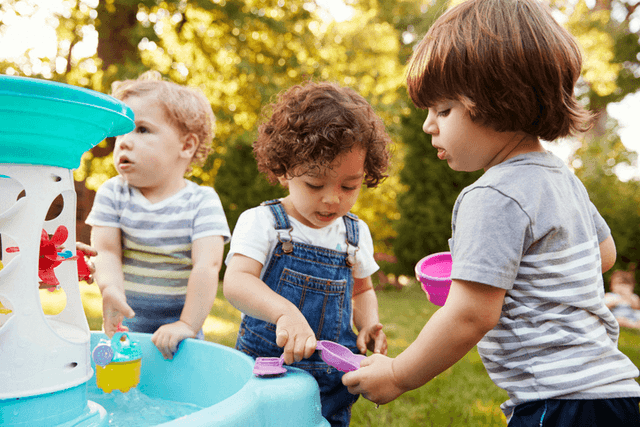
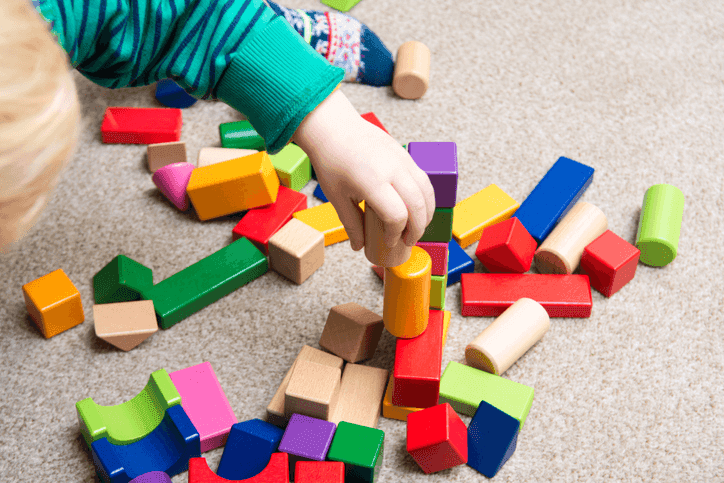
For instance, when children construct a structure together, they will wish to share their ideas, to discuss the roles and decisions to be made, and to reach consensus.
These experiences offer great opportunities to make friendships, deepen social confidence and to strengthen a sense of belonging. Educators may help children manage conflict in a positive way and engage in respectful communication by providing models.
Supporting emotional awareness and self-regulation
Young children are still working on their emotional development recognizing, expressing and regulating their emotions.
Play gives children an environment that allows them to be enthusiastic, frustrated, let down and successful and find out how to react appropriately. Turn-taking and sharing activities with others and cooperative problem-solving promote patience, flexibility and emotional regulation.
Harvard University's Center on the Developing Child has found that play develops children's executive function skills such as attention, working memory and self-control.
Encouraging empathy and positive relationships
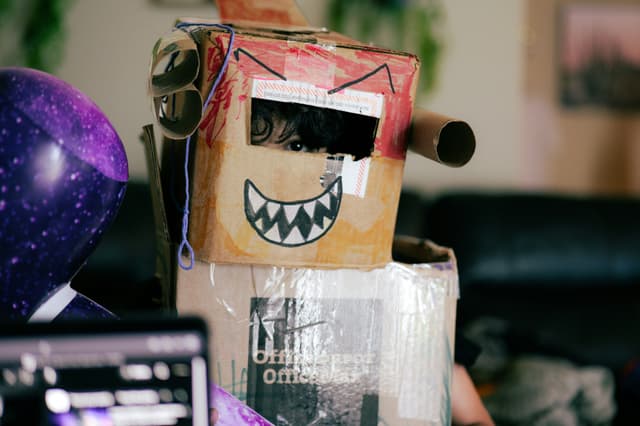
Imaginative play can be important for children to try out various thoughts and feelings. Pretense play as children take on roles such as Doctor, Teacher, Parent, or Community Helpers allows them to try out roles and start thinking about the lives of other people.
Teachers are very important to notice teachable moments and assist children when challenges are faced. The Australian Education Research Organisation (AERO) recognises that effective and safe relationships are essential to children's learning and social and emotional growth.
The educator's role in intentional play
The balance between giving children space to explore and to have some guidance from the educator is an important part of effective play-based learning.
Practical strategies include:
- Promoting collaborative practices with joint decision-making.
- Exploring emotions through stories, puppets and role play.
- Modelling appropriate language and handling of conflict in positive ways.
- Providing children with opportunities to develop in an inclusive way.
- Giving children the opportunity to rehearse developing social skills.
Intentional teaching needs to continue to be responsive to the interests, abilities, cultural background and individual developmental path of each child.
Creating meaningful learning experiences
Supporting social and emotional development of children cannot be limited to play opportunities. It is creating spaces for children to be safe, valued and able to share, express and feel good.
Observing behaviours, acknowledging children's needs and responding purposefully, can make everyday play experiences a good learning opportunity for educators.
Children can grow in confidence, empathy and emotional competence when play-based learning is underpinned by effective relationships and well-thought out pedagogical approaches that enhance their wellbeing and continued learning.
Author
Shrehan is an Educator at Little Stars Early Learning & Kindergarten, Childcare at Victoria, a trusted childcare and kindergarten provider in Victoria. Little Stars is committed to supporting children's development, confidence and lifelong learning.

Don’t miss a thing



Related Articles