Is that child really a 'visual learner'? A leading professor says the research doesn't back it up
 Article
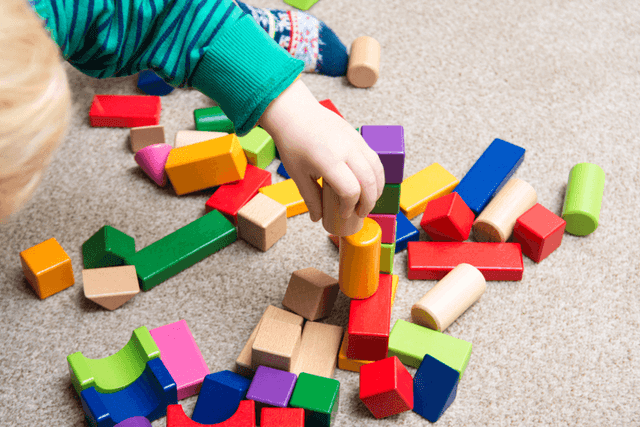
Children are often seen by educators and teachers to first watch and then participate in games that other children play. In some cases they can then act as ‘teachers’ and teach others how to play a game.
Professor Penny Van Bergen co-authored a 2020 study which found that 77.4% of Australia's 1359 teacher trainees agreed that people are better at learning material in their favoured learning style. This is described as a neuromyth; a widespread but incorrect belief regarding brain function.
But is this actually how children learn?
Why a top professor is describing learning styles as a ‘neuromyth’
Recently, Professor Penny Van Bergen, who is the Head of the School of Education at the University of Wollongong, has raised the question that the concept of ‘learning styles’ continues to be mentioned within the Early Years Learning Framework, however she fears that it has now become what academics refer to as a ‘neuromyth’.
Neuromyth is a widely held view about learning which has not been shown to be true. Children can often like to first watch someone playing a game. It is then assumed that children will also learn most effectively by observing in different scenarios.
Not all academics, educators and researchers agree, we do need to agree that it is true that children do have individual learning preferences. Some enjoy learning by watching and others prefer to actively take part in their learning. Children can also learn by hearing information relayed to them, such as in story telling format, and/or through active participation. Even though there are indeed differences in children’s learning preferences, we should assess how much this influences their learning.
Not all children who use pictures are visual learners
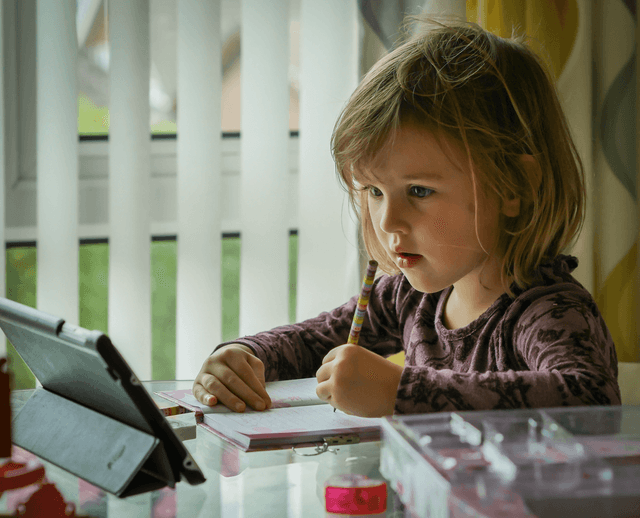
Whilst visual resources can be extremely effective for children, it is not necessarily the case that all children who use them can be labelled as visual learners.
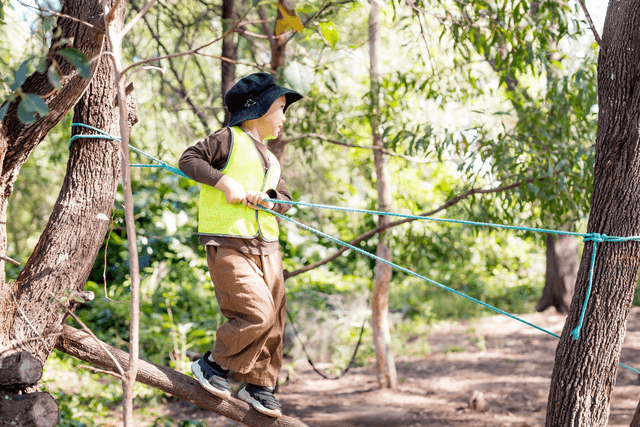
Alongside visual learning, a child may also learn songs by hearing and improve their climbing ability through experimenting in their outdoor environments. In general children will use multiple strategies to enhance their learning and these can also change throughout the day.
Tailor your teaching to the learning not the learner
There is continual evidence to suggest that there is not a significant impact upon children’s learning if teachers tailor their teaching to a child’s recognised learning preference. Rather, it appears that it is more important that teachers modify their approaches so that they are appropriate for the subject being explored and to learn from.
In general, when children are learning songs, listening techniques can be a good method. Likewise, when learning to play a musical instrument, demonstration and practice are likely to prove effective. Scientific based areas of study, listening, watching and experimenting could all be suitable methods.
Click here to view the Early Years Learning Framework V2.0 and access the study on Prevalence, Predictors and Sources of Information Regarding Neuromyths in an Australian Cohort of Preservice Teachers here.

Don’t miss a thing



Related Articles