New updated asthma guidance changes how children under five are diagnosed
 Article
New asthma guide for very young children has been updated which identifies that children can be assessed for asthma if they demonstrate wheezing and/or breathlessness whilst playing.The new guidelines from Therapeutic Guidelines provide information on how asthma can be diagnosed in young children based on their symptoms and a ‘test’ period of medication.
If a child is frequently experiencing wheezing, coughing or breathlessness then a medical review should occur, Yixin Tan, editor of Therapeutic Guidelines: Respiratory, explained to Australian Pharmacist.
Symptoms families and educators may notice at home and during play
Parents may recognise their child coughing at night or likewise, educators could observe a child wheezing and/or pausing to breathe during play. Parents and educators can work together to provide doctors with detailed information regarding when and how frequently a child is experiencing asthma-related symptoms and whether this affects their child’s sleep and/or play.
Whilst young children are in the pre-school stage of life, they often wheeze, particularly if they are unwell or have a cold. However, one instance of wheezing does not automatically indicate that a child has asthma.
How GPs use a treatment trial to assess preschool asthma
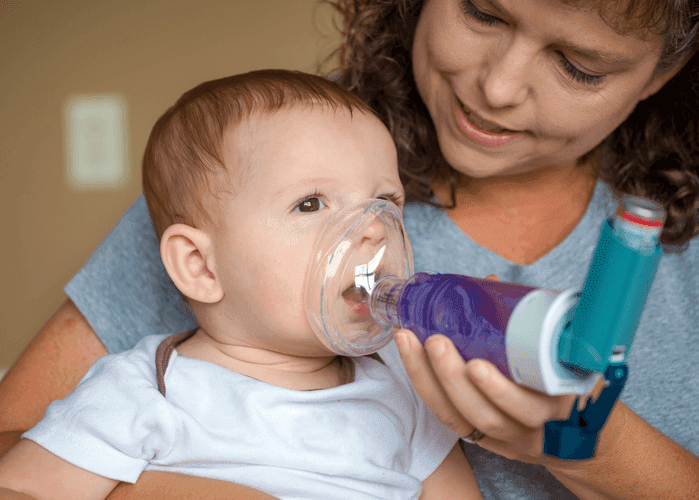
Whilst the standard test for diagnosing asthma can be hard to conduct successfully with pre-school aged children, GPs can observe whether a child’s wheezing and/or breathlessness improves after using a reliever inhaler. Where a child’s asthma symptoms are common or are affecting their sleep and/or play, a GP may suggest that they undergo a ‘test’ period of using a preventer inhaler.
Whilst a pre-school child may be diagnosed with asthma, this doesn’t always indicate that they will continue to have asthma. Parents and a child’s GP can review their child’s asthma management to determine whether ongoing treatment is still required.
What families can check in their child’s asthma action plan
For those families with an asthma action plan for their child, they may want to consult their GP about one aspect of their child’s plan.
Asthma Australia advises that children’s asthma action plans should be reviewed and amended by their doctor if there are changes to their asthma or medications.
Families should also ensure that their early learning service has access to their child’s most up to date asthma action plan. This ensures that both parents and educators are aware of what medication a child should receive, how to manage an asthma flare-up and when to seek urgent medical assistance.
Read the diagnosis process here and access the Asthma Australia’s asthma action plan resource for families here.

Don’t miss a thing



Related Articles