




Creating space to belong: How ‘pause points’ are reshaping children’s rights and agency at Gardenia Early Learning
 Article
In fast-paced early learning environments, moments of pause are often overlooked. Leaders at Gardenia Early Learning reflect on how intentionally curated ‘pause points’ are supporting children’s belonging, agency, and wellbeing, and reshaping how time, transition, and space are experienced across services.
In a sector navigating increasing compliance demands, time pressure, and complexity, the decision to intentionally slow down challenges assumptions about efficiency and invites a renewed focus on children’s rights, wellbeing, and meaningful participation.
Rethinking the educator’s role
In early learning settings, time is often shaped by routines, transitions, and outcomes. Yet when educators pause to consider what children experience within these moments, learning begins to look very different, more relational, responsive, and deeply connected to children’s developing sense of self.
Ashley Byatt, Head of Curriculum, explains that “each day and each moment, whether seemingly small or significant, contributes to children’s formation and their ongoing journey of making sense of the world around them.” These moments shape how children understand relationships, community, and their place within society.
Responding to a rushed world
Children are often described as slow or hesitant, yet this raises an important question. As Ashley Byatt reflects, “Are children slow-moving, or are they responding to lives that are increasingly rushed?”
From an operational perspective, this required intentional decisions about how time and space are prioritised. Kylie-Anne Kirkup, General Manager of Operations, notes that “pause points required us to value arrival and transition as meaningful experiences, not just logistical moments.”
Introducing pause points
Pause points are intentionally curated spaces positioned within the centre before children enter their learning rooms. These spaces offer children a moment to stop, observe, and engage on their own terms.
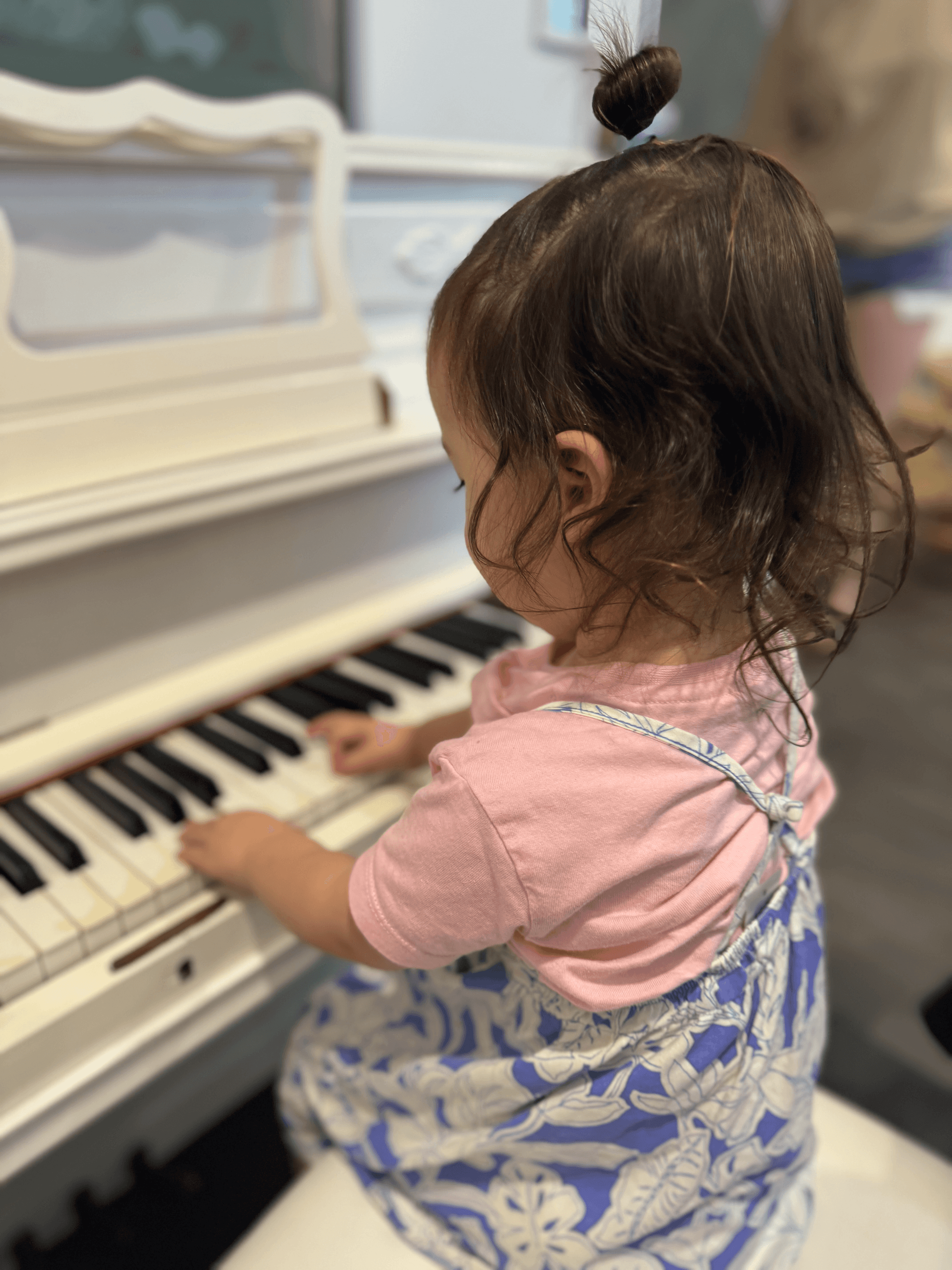
At Gardenia Early Learning Clontarf, pause points emerged organically and continue to evolve in response to children’s curiosity and inquiry. What began with a piano and a fish tank in the communal space has grown into a series of interconnected pause points throughout the centre.
Today, these include a library that invites quiet reading and shared storytelling; an art gallery that honours children’s thinking by showcasing their work; a tea party table positioned near the kitchen to support care, connection, and social rituals; and a lookout and observation station overlooking the ocean, where children are encouraged to pause, watch, and wonder.
Each pause point offers a different invitation, some supporting creative expression, others observation, reflection, or collaboration, allowing children to choose how and where they engage.
Listening before designing
Pause points continue to evolve through careful observation rather than adult assumption. Educators listen, watch, and reflect on what children show them, allowing these moments to inform decisions about space and materials.
For services considering similar approaches, pause points do not require significant redesign. They begin with intentional use of existing spaces, authentic materials, and a willingness to observe before intervening. The most significant shift is relational, trusting children to lead the experience.
This approach aligns closely with the EYLF’s emphasis on belonging and agency, and supports NQS expectations around inclusive practice, responsive relationships, and intentional environment design.
Children’s rights at the centre
At the heart of this work is a commitment to children’s rights, the right to belong, to be heard, and to exercise agency in learning. Bridgette Hoad, Educational Leader at Gardenia Early Learning Clontarf, reflects that “pause points have given children permission to lead in ways that feel authentic to them.”
By curating pause points, educators honour children’s right to slow down, arrive fully, and engage with space as something to be experienced rather than rushed.
As the sector continues to balance pace, pressure, and purpose, perhaps the question is not how much more we can fit into each day, but what might become possible if we intentionally make space to pause.

Don’t miss a thing


Related Articles