



WA provider fined after baby sustains burn in bottle warmer incident
 Article
A Western Australian approved provider has been fined $20,000 after an eight-month-old child sustained a deep partial thickness burn in a babies room incident involving a bottle warmer.
The State Administrative Tribunal of Western Australia ordered Cachet Holdings Pty Ltd to pay the penalty after finding that the provider failed to ensure that every reasonable precaution was taken to protect children from harm, as required under section 167(1) of the Education and Care Services National Law (WA) Act 2012.
The incident occurred on 18 June 2025 at an education and care service in Ascot, Western Australia.
At the time, eight children aged between six months and one year and two months were present in the babies room, supervised by three educators.
Shortly after 12.30pm, an eight-month-old child began gagging and coughing. An educator responded by lifting the child onto the bottle preparation bench to check for airway obstruction.
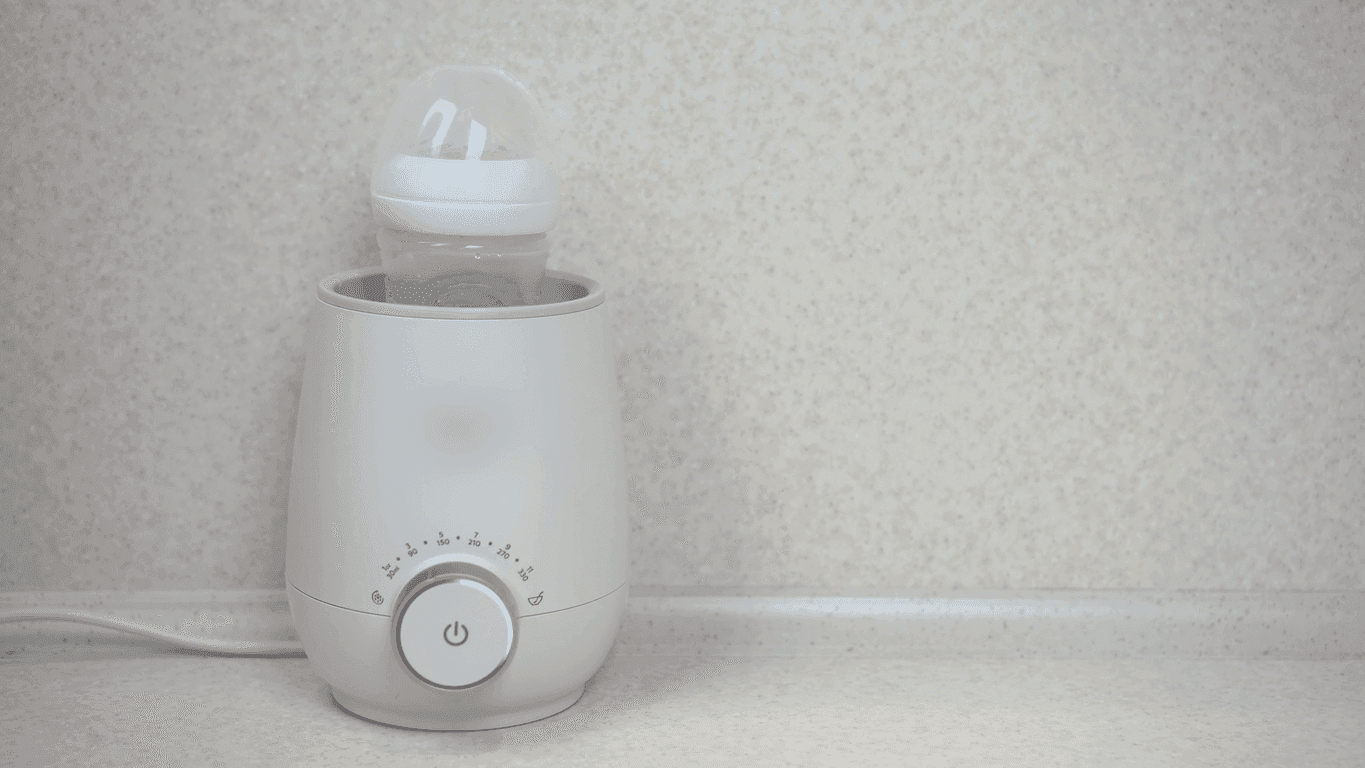
While seated on the bench, the child moved their arms and knocked over an electric bottle warmer positioned approximately 30 centimetres away. Hot water from the unit spilled onto the bench and came into contact with the child’s upper thigh.
The educator removed the child’s clothing and applied cold running water for 15 minutes in line with first aid guidance. An ambulance was called with parental consent and the child was transported to Perth Children’s Hospital.
Medical staff diagnosed a deep partial thickness burn. Surgery was initially considered but was not required following further review.
Section 167(1) of the National Law requires approved providers and nominated supervisors to ensure that every reasonable precaution is taken to protect children from harm and from hazards likely to cause injury.
Prior to settlement, the Regulatory Authority issued a compliance notice identifying precautions that were reasonably available before the incident. These included:
- displaying signage prohibiting children from being placed on the bottle preparation bench
- considering alternative bottle warming arrangements or relocating the bottle warmer to an area inaccessible to children
- installing barriers to prevent access to the preparation bench
- strengthening procedures for the use, filling and emptying of bottle warmers
- reviewing the service’s risk management plan to address bottle warmers as a hazard
- introducing enhanced opening and closing checklists
- providing targeted training to all staff, including casual and relief educators
- implementing an auditing system to monitor compliance with policies and procedures.
The Tribunal noted that these measures constituted reasonable precautions that could have been implemented prior to the incident.
The Department accepted mitigating factors, including that the educator treated the gagging as an emergency situation and did not anticipate that the bottle warmer would be knocked over.
Following the incident, the provider implemented a range of measures across its services, including:
- installing signage prohibiting sitting on benchtops
- installing custom-built Perspex protective boxes to house bottle warmers
- replacing bottle warmers with units featuring automatic shut-off functions
- introducing mandatory bottle warmer procedure training for all staff
- providing burns safety training
- reviewing and updating the centre risk management plan
- strengthening opening and closing checklists
- enhancing audit processes to monitor policy compliance.
Existing procedures requiring water for bottle preparation to be boiled in a separate kitchen or staff room and cooled to room temperature before transfer were also reinforced.
The decision highlights that compliance with section 167 extends beyond supervision and includes environmental design, equipment placement and documented risk controls.
Under the National Quality Framework, Quality Area 2, Children’s health and safety, requires services to take reasonable steps to identify and manage risks. Quality Area 7, Governance and leadership, reinforces the responsibility of approved providers to ensure effective risk management and compliance systems.
The Tribunal’s findings indicate that routine operational areas, including bottle preparation spaces within babies rooms, must be subject to proactive hazard identification and control.
For approved providers and centre managers, the matter reinforces the importance of:
- reviewing physical environments from a child safety perspective
- assessing how emergency responses interact with environmental risks
- ensuring all educators understand equipment-specific procedures
- embedding compliance through documented audit and monitoring systems.
The decision also confirms that remedial action taken after an incident may be considered in mitigation but does not remove liability for an earlier breach.
As regulatory scrutiny continues to focus on proactive risk management, services may review hazard registers, risk management plans and internal audit processes to ensure foreseeable risks are identified and controlled.
Read the full decision on the eCourts State of Western Australia website.


Don’t miss a thing



Related Articles