




Backing risky play: a pathway to building a child’s strength and resilience
 Article
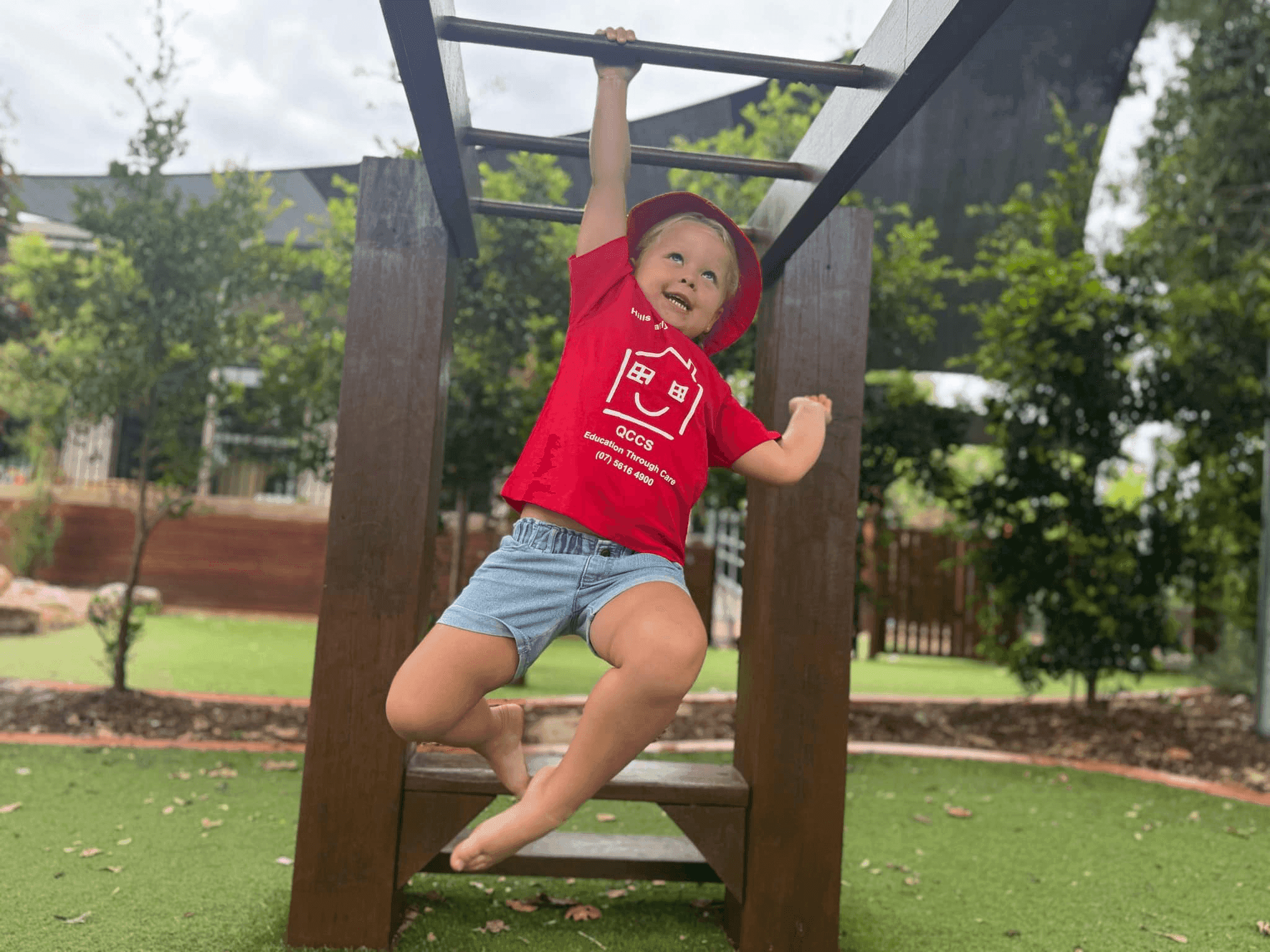
While many playgrounds are becoming increasingly cautious and controlled, Queensland Childcare Services is backing a riskier approach, giving children more opportunities to climb, balance and explore through safe, age-appropriate risky play.
Designed from a child’s perspective, QCCS’ playgrounds offer risky play across its centres encouraging children to test their limits in a thoughtfully designed and nature-inspired setting.
Rather than avoiding challenging experiences, it gives children the confidence to tackle challenges, build physical skills and make decisions in a guided and supportive environment.
Queensland Childcare Services General Manager Laura Faalili said the playgrounds across its centres have been thoughtfully and strategically designed through a truly holistic lens, guided by AEDC data, informed by the local community and local council, and most importantly, inspired by the voices of the children themselves.
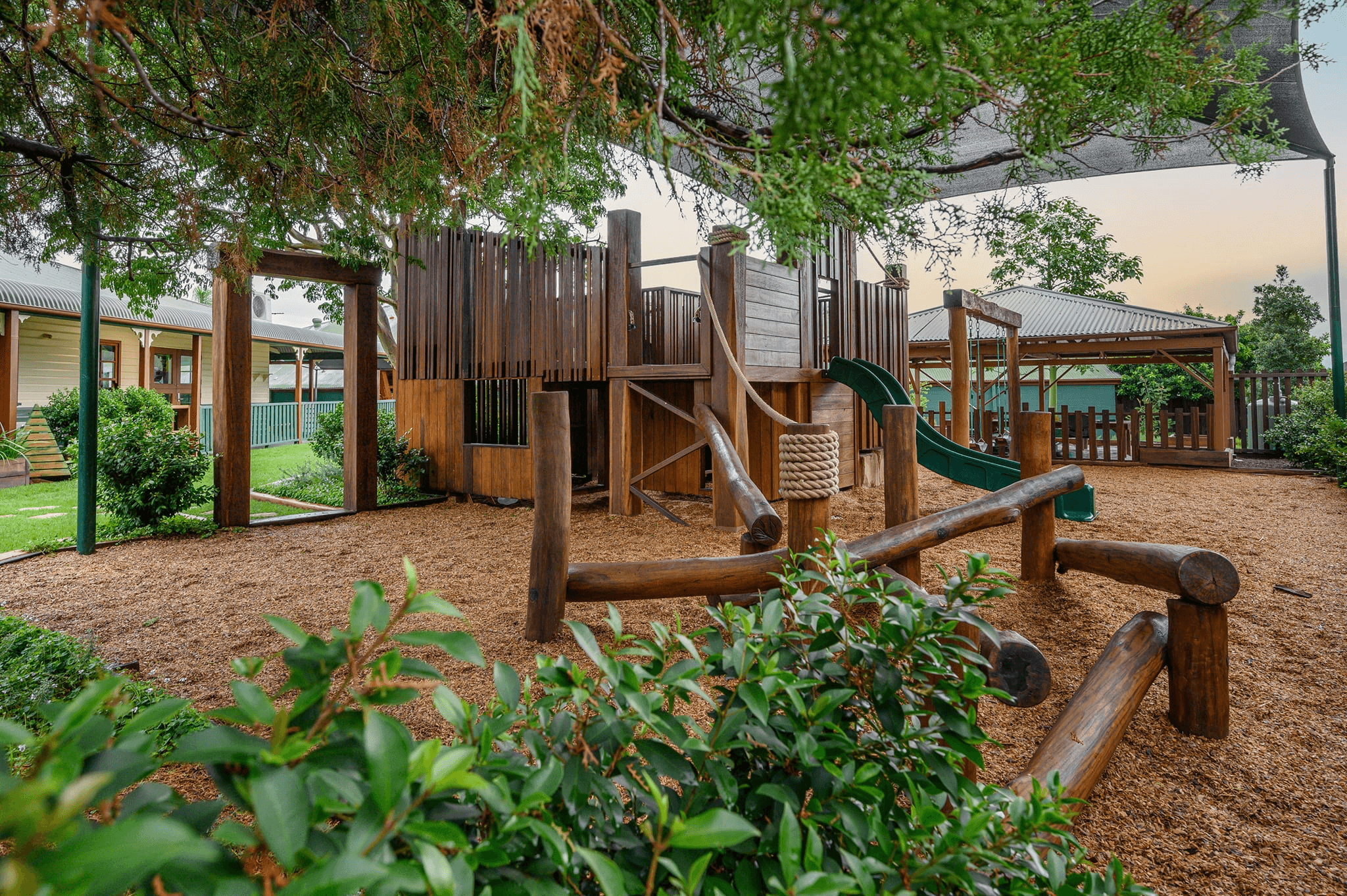
“By taking all of these perspectives into account, we’ve created spaces that reflect a child’s sense of wonder, encouraging adventure, curiosity and meaningful engagement in learning,” Ms Faalili said.
“Immersive learning opportunities provide children with physically challenging activities such as climbing, jumping or balancing, and gives children the confidence to trust their own instincts.
“Introducing children to new and unstructured outdoor play environments helps them learn and grow as they push their limits and try new things.
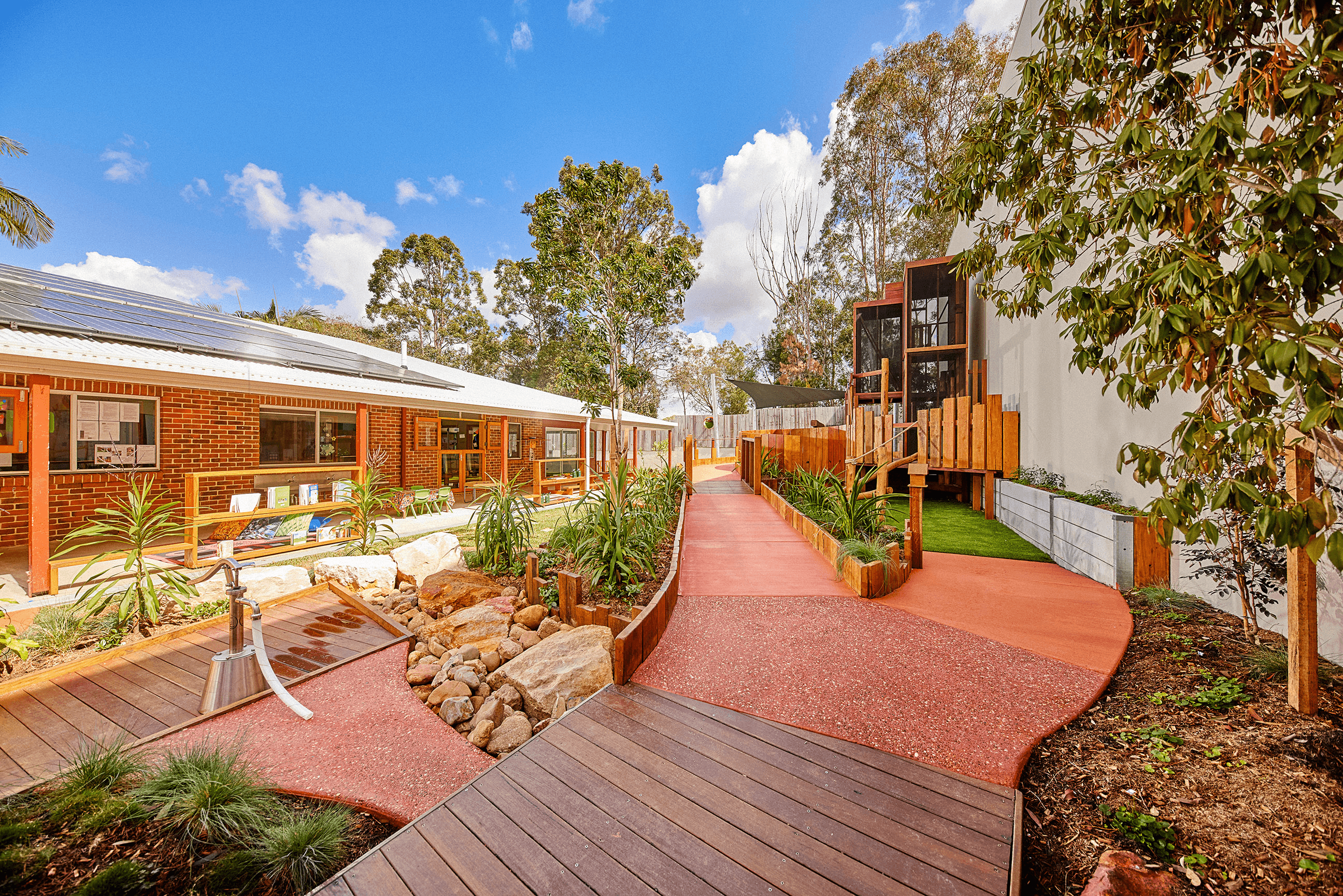
“This type of play boosts self-esteem, improves emotional regulation and teaches children to handle uncertainty, ultimately supporting their overall wellbeing and sense of agency.”
A study in the International Journal of Environmental Research and Public Health found children who were exposed to risk, had faster reaction times in detecting risk and improved self-esteem.1
Risky in name only, Ms Faalili said safety remains their utmost priority with active supervision and safety in place at all times.
“We see every day just how powerful play can be and by teaching risk in a safe, encouraging and thoughtful way we are seeing children grow not just physically, but socially and emotionally as well,” Ms Faalili said.
“Limiting the incorporation of risk in playtime and exposure to challenging environments, has also been found to increase the likelihood of preventable injuries and feelings of uneasiness and anxiety.
“The aim is not to expose children to danger. It is to give them opportunities to test themselves in environments that are carefully designed and actively supervised, so they can challenge themselves, and develop confidence in their own abilities.”
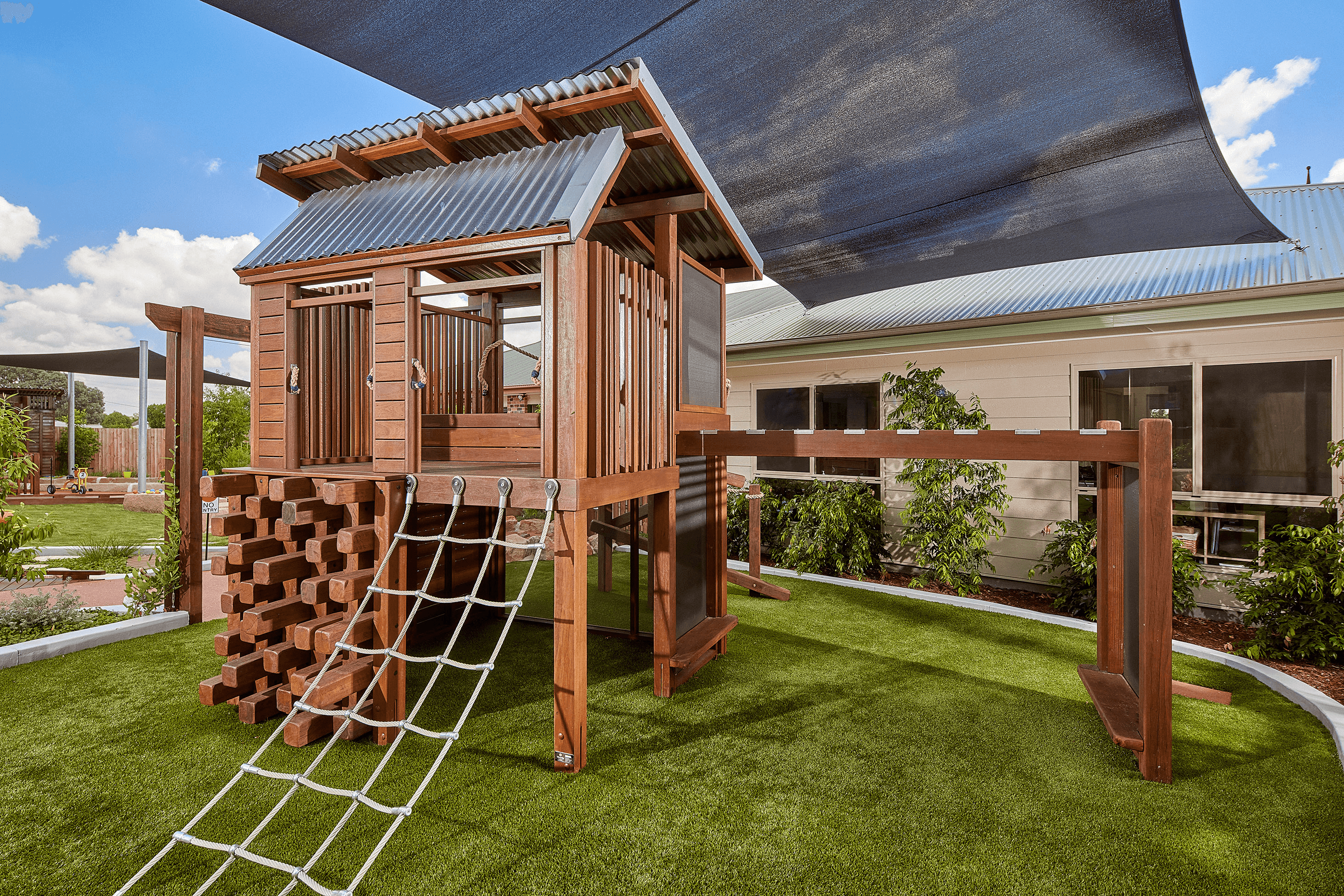
QCCS playgrounds incorporate age-appropriate elements of developmentally beneficially risky play, including height, speed, physically challenging equipment, rough and tumble play, and secluded spaces for independent and imaginative play. Ms Faalili said QCCS recognises every child as a capable, competent and confident learner. With the right balance of challenge, support and supervision, children are better equipped to build the confidence and resilience they need for life.
Reference
1Tremblay, M., Gray, C., Babcock, S., Barnes, J., Bradstreet, C., Carr, D., Chabot, G., Choquette, L., Chorney, D., Collyer, C., et al. 2015. Position Statement on Active Outdoor Play. International Journal of Environmental Research and Public Health https://doi.org/10.3390/ijerph120606475


Don’t miss a thing




Related Articles