

In The Field
Leadership

Practice
Professional development

Quality

Research
Understanding Children
Pilot trial finds new sustainment strategy shows promise for supporting long-term active play in ECEC services
FDC-Friendly
Fiona Alston
Dec 11, 2025
Save
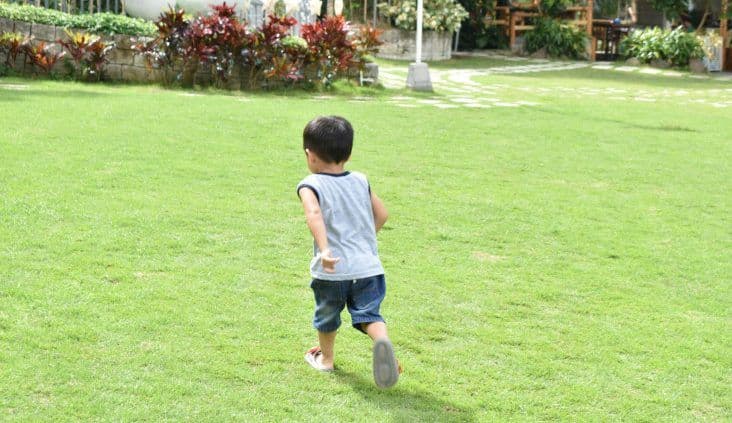
New Australian research has highlighted the potential of a structured sustainment approach to help early childhood education and care (ECEC) services continue delivering indoor–outdoor free play programs that support children’s physical activity and wellbeing.
A pilot randomised controlled trial published in Health Promotion International has examined whether a tailored implementation strategy, the Sustaining Play, Sustaining Health (SPSH) programme, could help services maintain indoor–outdoor free play beyond the temporary COVID-19 guidance that originally encouraged the practice. Indoor–outdoor free play has long been recognised as a key driver of children’s physical activity, aligning with the National Quality Framework and the Early Years Learning Framework, both of which emphasise active, play-based learning.Opportunities for children to move freely between indoor and outdoor environments are linked with increased moderate to vigorous physical activity and broader developmental benefits. Yet evidence shows that many public health programs in ECEC settings, including physical activity initiatives, struggle to be sustained after initial support ends.
In Australia, indoor–outdoor play increased substantially during the pandemic, with services reporting a rise from around 71 minutes per day prior to 2018 to approximately 230 minutes in 2021–2022. However, once public health guidance was removed in late 2022, many services were at risk of returning to pre-pandemic routines.
The SPSH programme was delivered to eight NSW ECEC services over six months, with another eight receiving usual practice information. The intervention included:
- tailored support from health promotion officers
- sustainability action planning
- staff guidance and educational resources
- policy review and strengthening
- family communication tools
- monitoring tools to track free play practice
Researchers assessed acceptability, feasibility, adoption, cost and the programme’s potential impact on sustainment at 6 and 12 months.
The pilot identified several positive early signals:
- High acceptability: average rating 4.4/5
- High feasibility: average rating 4.1/5
- Low delivery cost: approximately AUD $452 per service to implement
- Favourable trends: services receiving the intervention offered slightly more indoor–outdoor free play than controls at both 6 and 12 months, though differences were not statistically significant
All services implemented at least some sustainment strategies, and three services fully adopted all four core components of the sustainability action plan.
However, services continued to face persistent barriers, including:
- staffing shortages
- high casual workforce turnover
- competing operational priorities
- limited time for training, planning and policy integration
These challenges are well-documented across the sector and echo broader concerns about workforce capacity under the National Quality Framework.
Although the SPSH trial was small and designed to test feasibility rather than effect, the results signal that a structured, low-intensity sustainment strategy may help services embed active play practices in the long term. The study underscores that sustainment requires ongoing support, particularly in areas influenced by staffing, leadership stability and routine integration.
Importantly, the research also reinforces that indoor–outdoor free play is both achievable and valued, but its continuation is vulnerable without clear policy alignment, staff capability building and consistent family communication.
Researchers recommend a larger, fully powered trial to examine the true impact of the SPSH programme. Future work may strengthen the model by:
- engaging a broader group of educators, not just identified champions
- more deeply embedding sustainment actions in service policy
- addressing workforce-related barriers
- improving alignment with service priorities and operational realities
As services continue to focus on children’s physical activity, wellbeing and access to high-quality play environments, the study provides a valuable foundation for understanding how best to keep evidence-informed practices in place once initial support ends.
This article summarises findings from the open-access paper “Evaluating the Sustaining Play, Sustaining Health programme in Australian early childhood education and care services: a pilot randomised controlled trial,” published in Health Promotion International (2025).


Don’t miss a thing




Related Articles