



Keeping children safe with one simple lesson
 Article
Water safety remains at the forefront of national concern, as drowning continues to be the leading cause of accidental death for children aged 0-4.
On average, 10-14 children in this age group lose their lives to drowning each year, a sobering reminder that one simple water safety lesson can make a life-saving difference.
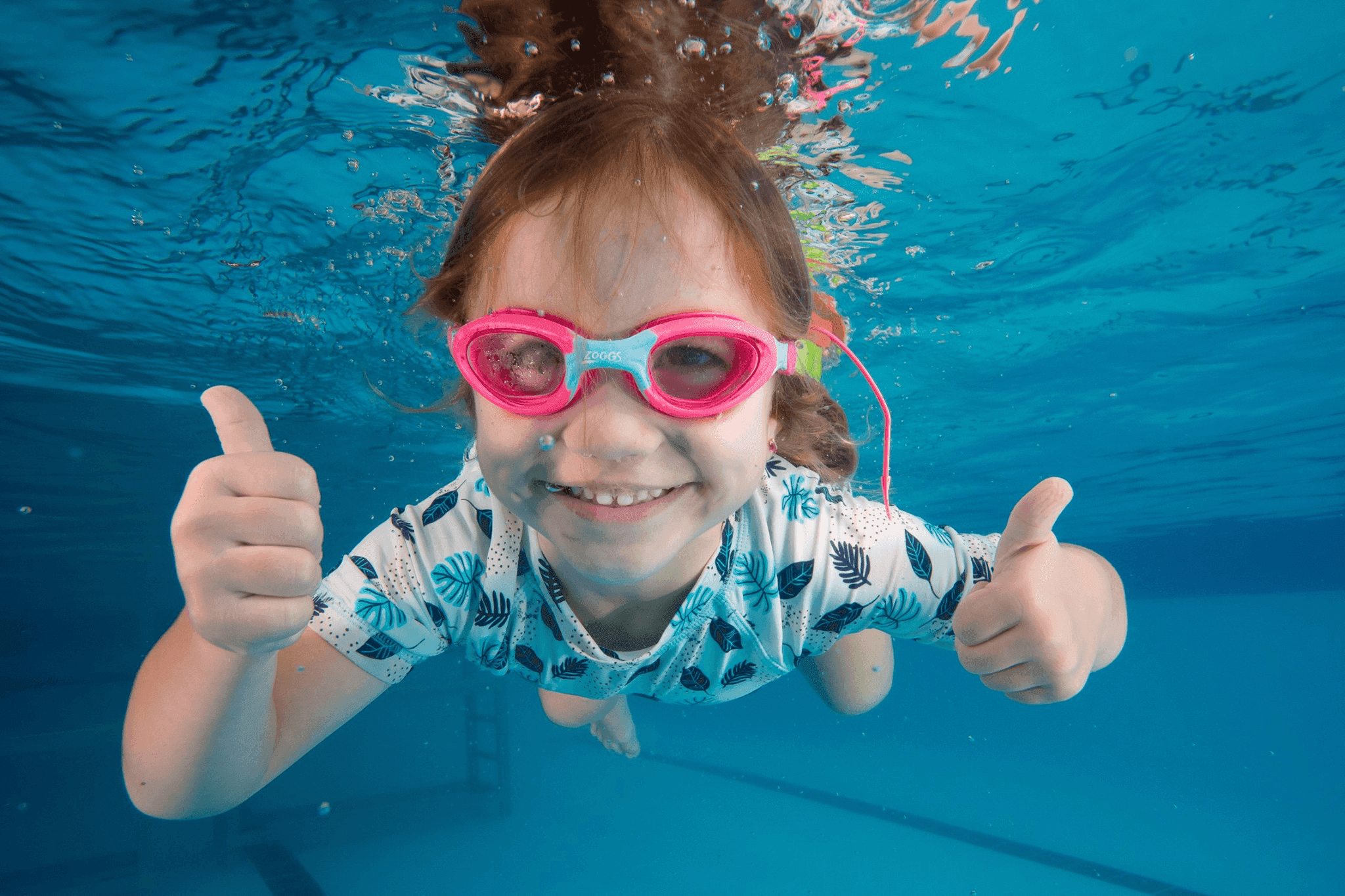
In response, Queensland Childcare Services (QCCS) has prioritised water safety within its curriculum, offering structured swimming lessons alongside foundational early learning skills such as literacy and numeracy.
The 2025 National Drowning Report found that 357 people lost their lives to drowning in the past year, a 27 percent increase on the ten-year average across Australia. Queensland accounted for 90 of those deaths, with children aged 1-4 years identified as the highest risk group.1
QCCS General Manager Laura Faalili said integrating swimming lessons into early childhood education is a critical step in preventing further tragedies, as it builds both confidence and sound decision-making skills in and around water.
“QCCS is addressing the heartbreaking rise in drownings by treating vital water safety skills as a priority, not an afterthought or extracurricular activity,” Ms Faalili said.
“These lessons help children feel safe in unfamiliar environments and reduce common anxieties felt by both children and parents around potential water risks.
“The hands-on and exploratory nature of swimming compared to traditional classroom learning, keeps children engaged while developing essential life-saving skills.”
Key contributing factors to child drownings include lack of supervision, medical conditions such as Autism, and ease of access to water. Over 80 per cent of toddler pool drownings occur when children gain unintended access to a pool area.1
As part of its commitment to whole-child development, QCCS delivers swimming lessons alongside its highly regarded Perceptual Motor Program.
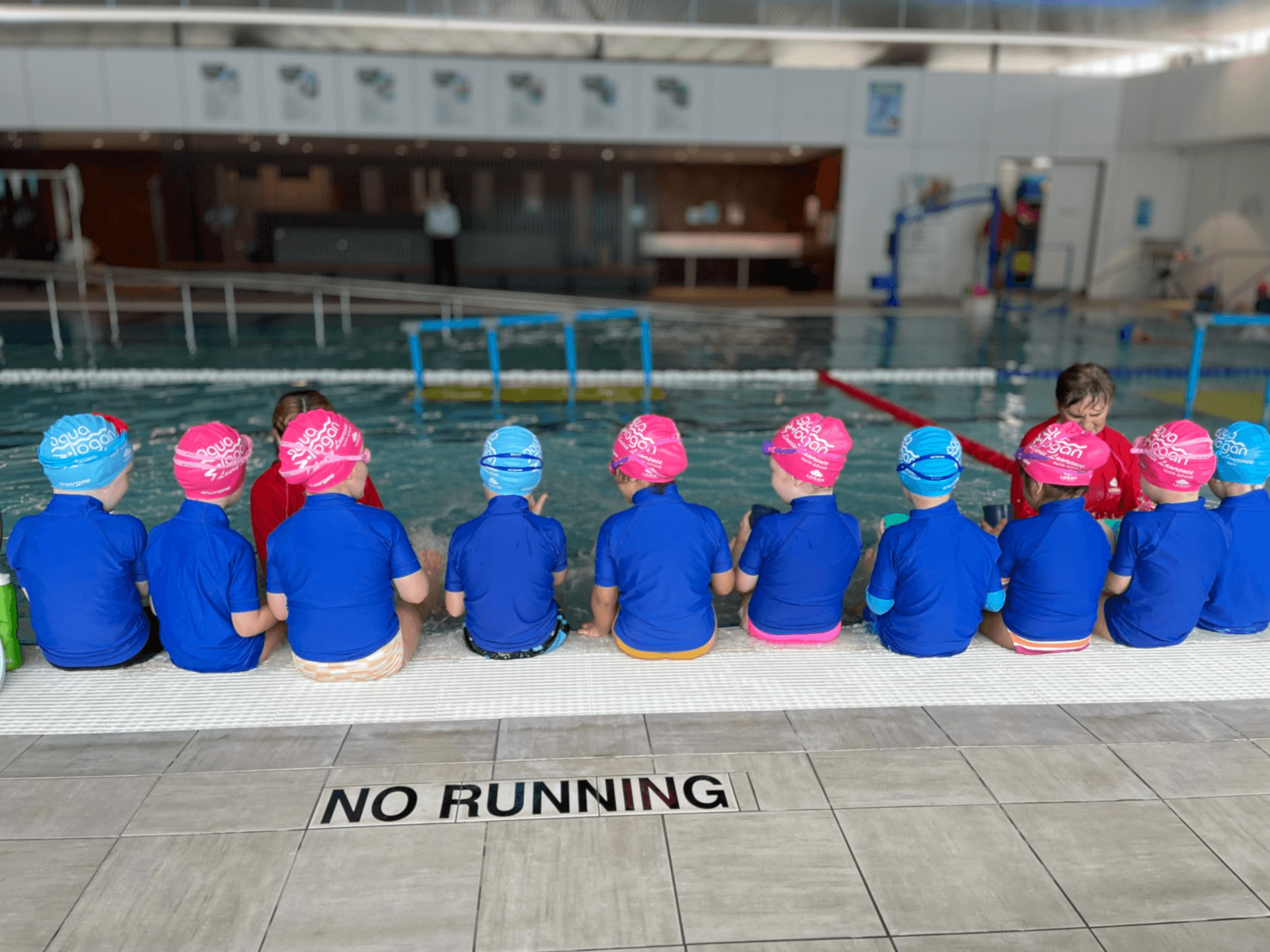
Together, these programs create a comprehensive approach that strengthens water safety awareness whilst enhancing motor development, depth perception, coordination, and the foundations of healthy, active habits.
Ms Faalili said QCCS’s broader nature-based programs further support children to develop practical life skills that cannot be taught solely within classroom walls.


Don’t miss a thing



Related Articles