Updated VEYLDF strengthens focus on child safety: what ECEC services need to know about Bravehearts’ Ditto’s Keep Safe Adventure Program
 Article
Victoria’s updated Victorian Early Years Learning and Development Framework (VEYLDF) has strengthened its focus on children’s safety, wellbeing, agency and voice, reinforcing the importance of embedding child-safe practices across early childhood education and care (ECEC) environments.
In a recent article, Bravehearts highlighted how the updated framework aligns with the goals of protective behaviours education and explored how Ditto’s Keep Safe Adventure Program can support services to embed age-appropriate personal safety learning into everyday practice.
The updated VEYLDF reflects the growing national focus on child safety, recognising children as active participants in matters affecting them and reinforcing the importance of creating environments where children feel safe, respected and supported.
For early childhood services, this means considering how child safety is embedded not only through policies and procedures, but through everyday interactions, curriculum decisions and relationships.
This includes supporting children to:
- understand their right to feel safe;
- develop confidence to communicate their thoughts and feelings;
- recognise emotions and seek support;
- understand personal boundaries; and
- identify trusted adults they can speak with.
The strengthened focus also aligns with broader expectations across the sector, including the Victorian Child Safe Standards and ongoing national conversations around safeguarding children in education and care settings.
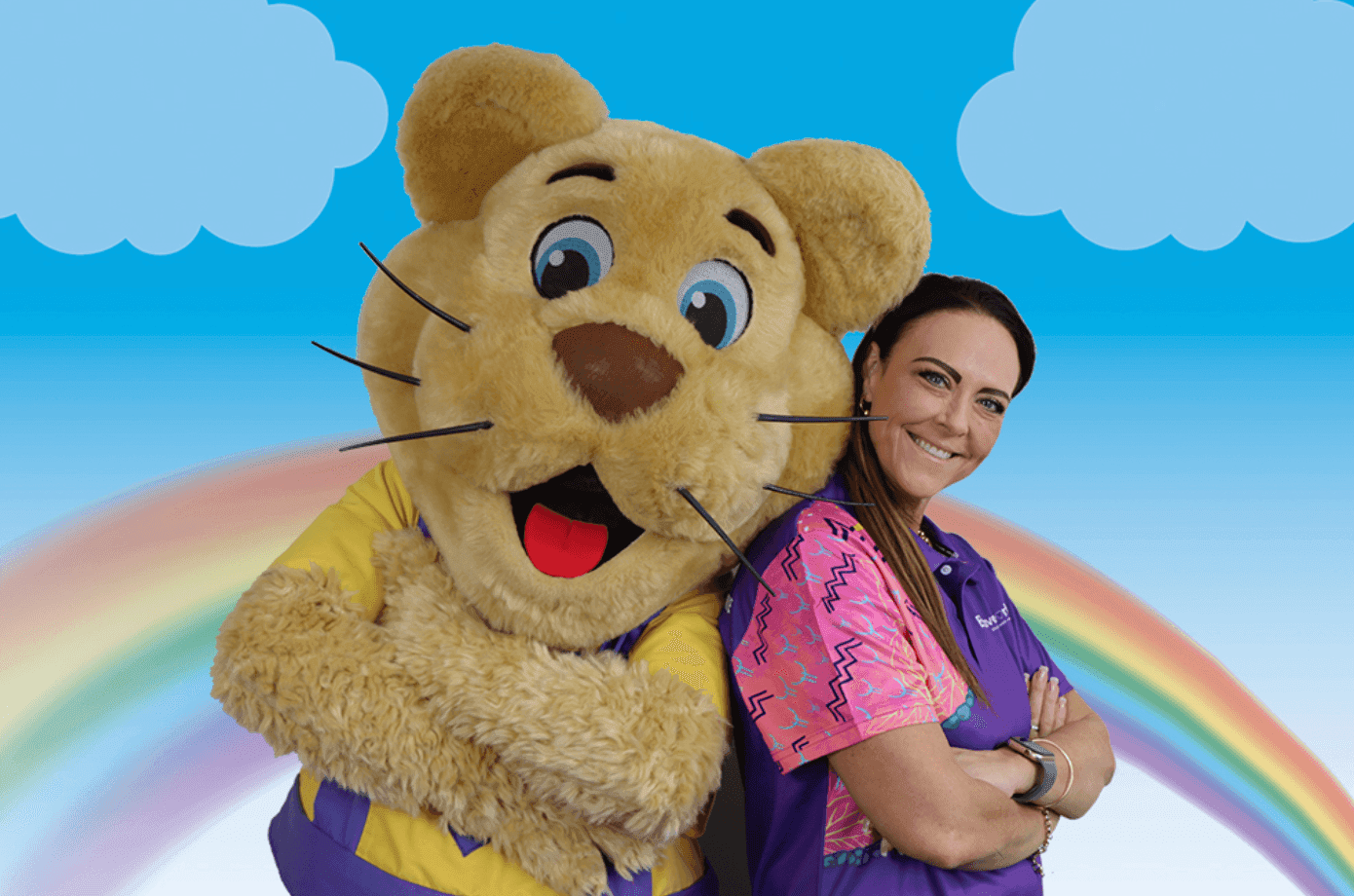
Bravehearts’ Ditto’s Keep Safe Adventure Program is designed to support early childhood and lower primary-aged children to develop personal safety knowledge and skills through age-appropriate learning experiences.
The program uses child-friendly approaches including stories, songs and interactive activities to introduce important protective behaviours concepts.
Through the program, children explore areas such as:
- recognising safe and unsafe feelings;
- understanding personal boundaries;
- identifying trusted adults;
- understanding that they have the right to speak up; and
- seeking help when they feel unsafe or unsure.
Bravehearts highlights that programs such as Ditto can support educators to have ongoing, developmentally appropriate conversations about safety and wellbeing with young children.
The updated VEYLDF reinforces that child safety is not a standalone activity, but something embedded across the culture, curriculum and daily practices of early childhood services.
ECEC leaders and educators are encouraged to reflect on how their programs:
- support children’s agency and participation;
- create opportunities for children to express their views;
- embed protective behaviours education;
- strengthen partnerships with families; and
- promote environments where children feel safe and heard.
Embedding child safety requires consistent messages across educators, children and families, supported by strong leadership, training and ongoing reflection.
As expectations around child safety continue to evolve, services are increasingly considering how resources and programs can support educators to deliver consistent and meaningful safety education.
Bravehearts encourages services to review the updated VEYLDF and consider how their current approaches support children’s safety, wellbeing and participation.
Further information about Ditto’s Keep Safe Adventure Program is available through Bravehearts.
Read the full Bravehearts article here.


Don’t miss a thing




Related Articles