When I start school, who will help me?
 Article
A lunchbox that will not open, a friend who is away or not knowing where to go can be a matter of concern to a child. Their questions can highlight the areas we should help them prepare for. Where will I put my bag? What if I can’t open my lunch? Who will I play with if my friend isn’t there?
These questions can sit alongside a child’s enthusiasm about heading off to school. A visit may address some of them but raise new ones as the child thinks about what they have seen.
As an early childhood educator, these questions can be the starting point for preparation. Can we help children manage their belongings, but also understand what happens if they are unable to do so.
As we head towards 2027, are we ensuring children feel confident asking for help. Familiar play, relationships and routines give them opportunities to explore what school might be like, guided by their questions and needs.
“What if I don’t know where to go?”
Rather than asking children if they are excited about school, what if we asked what they would like to know. Give them opportunities to talk, draw, play or express themselves in another way.
A question about the toilets may be about more than their location. A child may wonder whether permission is needed, who will help if they have an accident or how they will find their classroom.
Following an orientation visit, are their questions answered? Some questions to think about are what they discovered and whether there is anything they would still like someone to explain.
Families may hear different questions at home. Bringing those observations together helps us understand what needs to be followed up with the school.
“What if I try and still can’t do it?”
A container that will not open or a missing hat provides an opportunity to practise asking for assistance. As educators the response is as important as the words we suggest.
“I need some help” or “Can you show me?” may give a child a starting point. Others may use a gesture, communication aid or agreed signal, which receiving adults need to understand.
Puppets and role play offer opportunities to try these interactions. During everyday routines, children also need to experience an adult noticing, listening and helping.
Encouraging independence should allow room for support. Holding a container steady while a child lifts the lid may be enough to help them succeed without making lunch a test.
“What if there’s nobody to play with?”
A child may be thinking about who will sit beside them or what happens if their usual friend wants to play elsewhere.
Everyday play offers opportunities to explore joining in, suggesting an idea and responding when someone says no. Helping children find another possibility while acknowledging that being turned away can be disappointing.
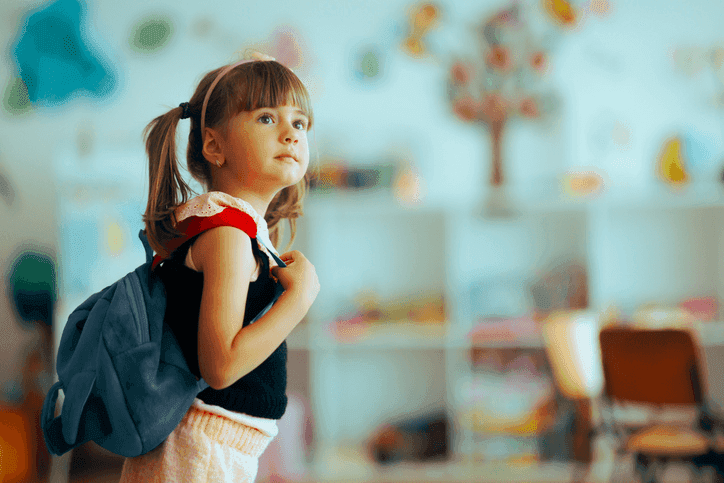
Practical belongings also deserve attention. Trying a school bag on or opening a lunchbox can reveal whether a zip, buckle or lid needs adjusting, rather than more practice from the child.
These conversations may help families know what to ask the school. Where can their child seek help during lunch or playtime, and who will notice if they are unsure?
“Will someone know what helps me?”
Transition information should help the next educator understand each child. With family involvement and appropriate consent, how can you share and communicate the child’s uncertainty, seek reassurance and participate comfortably, including with outside hours school care where relevant.
Children should have a say in what adults understand about them. Ask what they would like their teacher to know and follow up on questions that remain unanswered.
Starting school will bring tasks children cannot yet manage and situations they have not experienced. Our preparation can help them recognise who they can turn to and trust that asking will bring a helpful response. Being prepared for school should include knowing they do not have to work everything out alone.


Don’t miss a thing




Related Articles