Read the child, not just the plan: lessons from the classroom and the football oval

 Article
I spent a decade teaching in classrooms. Now I work at a football club. Along the way, I've realised the oval and the kindergarten have more in common than I expected.
Working in education at Essendon Football Club and delivering sport-themed programs such as Bomber Kids often leads me to reflect on the blurred lines between teacher and coach.
The more time I spend in schools, kindergartens and on football ovals, the more I am reminded that both are, fundamentally, learning environments. While the contexts, language and goals may differ, the underlying work is remarkably similar: helping people learn, develop, participate, connect and discover what they are capable of.
Both teaching and coaching are relational practices. Both require us to understand the learner in front of us, create environments that invite participation and provide the right balance of challenge, support and autonomy. Neither is simply about delivering information. Both are about creating the conditions in which meaningful learning can occur.
A lesson plan can resemble a game plan. A teaching pedagogy can inform a coaching philosophy. Observation shapes intervention. Feedback extends learning.
Working in education teaches you to read the play. You learn to recognise the child who needs another challenge, the learner who needs more time and the moment an explanation isn't landing. Working in football has reminded me how transferable that professional judgement is. Good teaching and good coaching both require us to move beyond the plan and respond to the person in front of us.
1. Relationships: Learning Begins with Connection
Whether you're coaching a football team or working in a kindergarten, relationships come first.
Before you can develop a player or support a learner, you need to understand the person. Learning flourishes when people feel known, respected and safe enough to participate, take risks and make mistakes.
Teams also show us how relationships extend beyond individuals. A group becomes a team through shared experiences, language, rituals and goals. Learning environments can do the same, creating a sense of belonging where individuals feel valued and connected to something bigger than themselves.
2. Play-Based Learning: Sometimes the Best Teaching Doesn't Look Like Teaching
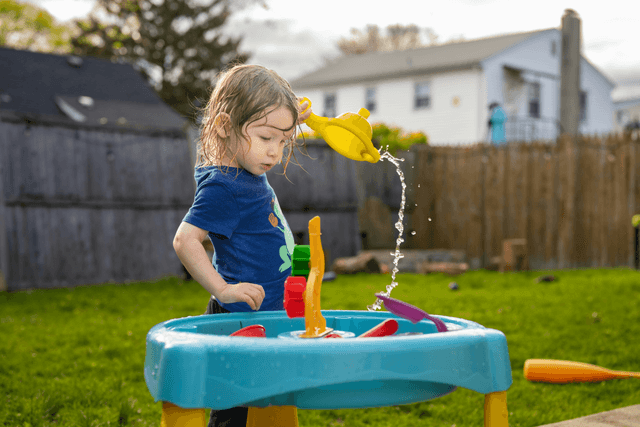
Play is often misunderstood as the absence of teaching. In reality, play-based learning is highly intentional.
Children learn through exploration, experimentation, repetition and problem-solving. They test ideas, experience consequences and try again. Much of the learning is embedded within the experience itself.
Rather than prescribing every movement, coaches can design environments that encourage players to discover solutions. The coach becomes less the source of knowledge and more the designer of experiences that support learning.
Some of the most powerful learning happens when people are actively involved in finding answers for themselves.
3. Responsiveness: The Plan Is Not the Script
Both coaching and teaching involve careful planning, but neither setting is predictable.
Intentional practice does not mean rigid practice. It means having a clear direction while remaining responsive to the people in front of you.
A lesson plan or training session provides a starting point, but observation determines what comes next.
The best educators and coaches notice what is working, what isn't and where learning is emerging. They adapt accordingly.
4. Positive Reinforcement: Celebrate the Little Wins
In football, success isn't always reflected on the scoreboard. A player might execute a skill they've been practising, make a courageous decision or create an opportunity for a teammate. These moments matter.
The same is true in early childhood education. Progress might look like joining a group, asking a question, persisting with a challenge or trying something independently for the first time.
Positive reinforcement isn't about praising everything. It's about recognising effort, persistence, curiosity and growth. When people feel their progress is seen, they become more confident and more willing to keep learning.
Often, the little wins create the biggest momentum.
5. Fun Matters
There is a reason it is called a game.
Fun isn't the opposite of serious learning. In many cases, it is what makes serious learning possible.
A small-sided game can teach decision-making, while play can spark the curiosity that drives learning.
Purpose and rigour matter, but so do joy, movement, imagination and discovery.
When people enjoy the experience, they are more likely to participate, take risks, persist through challenges and remember what they have learned.
Perhaps that is the biggest lesson teaching and coaching share: people learn best when they want to be there.
Author: Brendan is a community education leader who combines his passion for AFL, education and community engagement to create meaningful programs that empower young people and strengthen connections.


Don’t miss a thing




Related Articles