SNAICC wants an independent ECEC commission that funds what ACCOs actually do

 Article
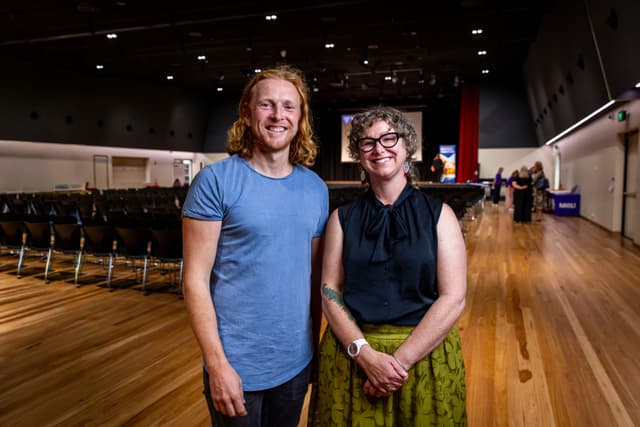
SNAICC Council member Richard Weston has told a Senate inquiry that the proposed Early Education and Care Commission is “a significant opportunity” for Aboriginal community-controlled services, according to a SNAICC media release issued on 24 November. Mr Weston said the commission must be genuinely independent, informed by Aboriginal and Torres Strait Islander expertise and work in partnership with communities.
Mr Weston said that despite the strengths of ACCO services and repeated recommendations from inquiries to improve the policy and funding environment they operate in, little had changed. SNAICC also told the inquiry it wanted a dedicated funding model for Aboriginal Community-Controlled Organisations, known as ACCOs.
Education ministers met on 2 November and said detailed design work on a commission would continue ahead of their next meeting in 2027.
What SNAICC has asked the Senate for
SNAICC gave evidence to the Senate inquiry into the state of Australia’s early childhood education and care system in rural, regional and remote communities. According to the release, the peak body called for the commission to provide genuinely independent oversight and advice on changes to the system, working in partnership with Aboriginal and Torres Strait Islander communities.
Mr Weston said the system needed to deliver on the Government’s commitment to universal early education and care, while being flexible enough to meet the needs of all Australian children and families. He said every child had a right to quality, regardless of where they live.
The Department of Education said that on 15 July 2026 ministers agreed to explore the development of a potential early education and care commission. Ministers also agreed that, if a commission is established, it should involve changes to ACECQA
Funding for transport, staff housing and outreach
Mr Weston said the current funding model misses a lot of what ACCOs do. According to Mr Weston, the way government funding works now overlooks the broader functions ACCOs undertake, including cultural programming, transport, family engagement, outreach, staff housing and connections with health and developmental supports.
Mr Weston said those functions “are not extras” and were vital to helping children enrol, attend consistently and benefit from early learning. He said it was time for transparency, community-informed stewardship and funding that reflects the actual service model government needs ACCOs to deliver.
SNAICC wants a dedicated ACCO ECEC funding model with a stable supply side funding floor, plus additional funding reflecting remoteness, community need, vulnerability and service complexity. Put simply, SNAICC is asking for a guaranteed base level of funding for each ACCO service, with more on top for services working in harder circumstances.
What it means for families and services in remote areas
Mr Weston said families needed a service within reasonable reach, one that operated reliably and flexibly and that they were able to afford and trust. For Aboriginal and Torres Strait Islander families, he said, that service must also be culturally safe, which ACCOs are best placed to deliver.
He also stated that funding should come with clear expectations for access, quality, cultural safety, participation and service continuity. No dollar figure for the model is given in the release, which links to SNAICC’s 2024 report on how it would work.
In their November statement, ministers said they considered further advice on the commission’s purpose, functions, and approach to stewardship. Their statement did not say whether a commission would have any role in funding services such as ACCOs, which is the change SNAICC is asking for.
To read SNAICC’s media release click here.

Don’t miss a thing

Related Articles