YMCA Victoria backs ClinEd to bring clinicians into schools
 Article
YMCA Victoria will support funded places for at least three schools in communities facing disadvantage each year through a partnership with Guiding Growing Minds. The partnership runs until the end of 2029 and backs ClinEd, a year-long program that brings clinicians together with school staff to support children experiencing emotional and behavioural difficulties.
ClinEd works with primary schools. For early childhood education and care (ECEC) readers, including those in outside school hours care (OSHC), the partnership has a familiar focus: how adults working with the same children can draw on specialist advice. YMCA Victoria supports families through early learning and before and after school care.
“We’re with children and families from their first years in early learning right through to before and after school care,” YMCA Victoria CEO Carolyn Morris said.
“Backing ClinEd means more of the adults around a child have expert support behind them, and funded places mean schools in communities facing disadvantage can take part too.”
School staff bring real situations to clinicians
Classroom teachers, wellbeing and learning support staff, and school leaders bring situations from their own schools to regular sessions with clinicians. Together, they consider what may be driving a child’s behaviour and agree on what staff can do next. Each term, a clinician visits the school to run one session for staff and another for parents and carers.
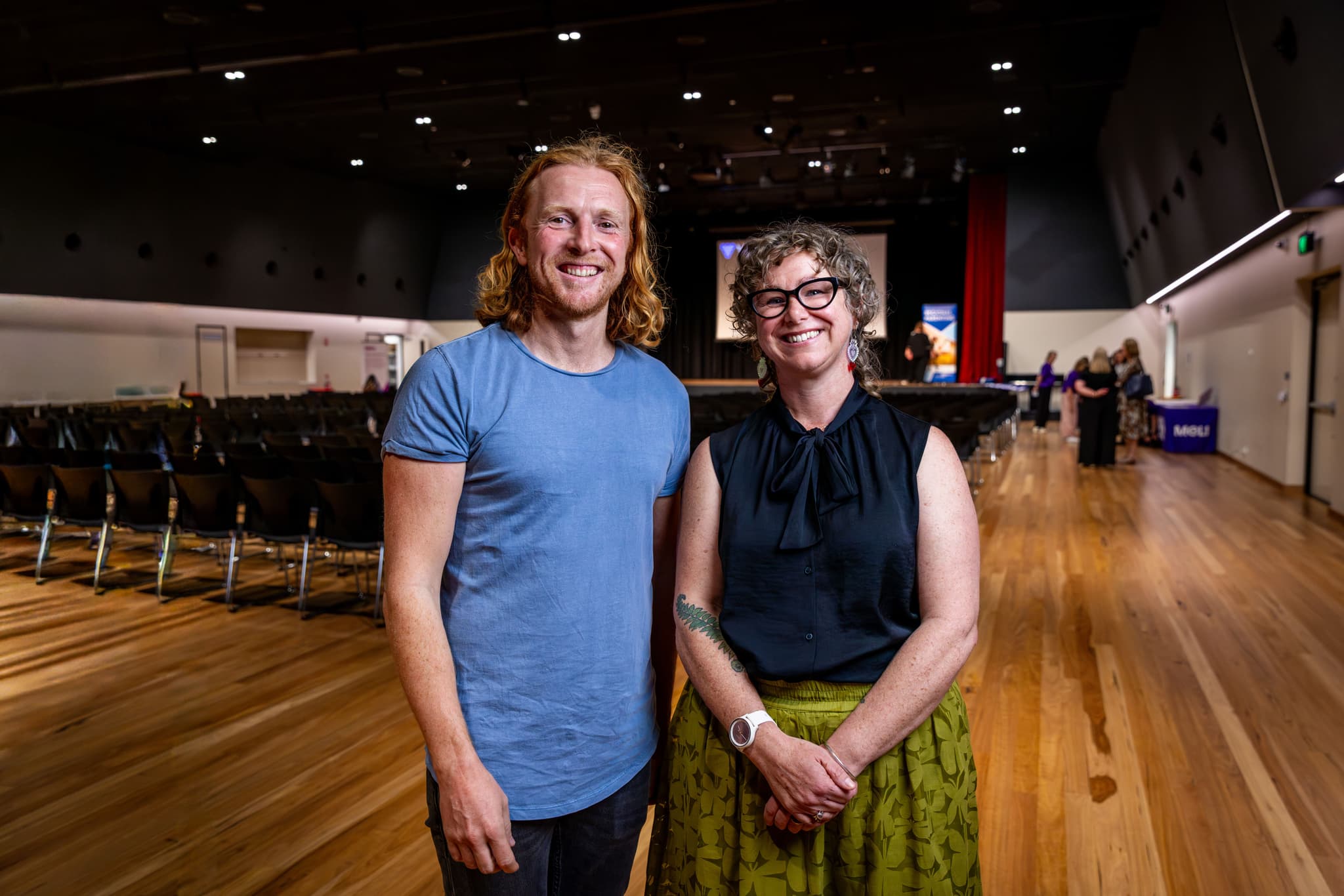
“Teachers are managing more complex behaviour and mental health challenges, often on their own, and clinical expertise rarely arrives on time,” said developmental paediatrician Dr Billy Garvey, who founded Guiding Growing Minds and designed ClinEd.
Garvey is joined on the program by Rebecca Harris, a counsellor and psychotherapist and the author of Safe to Learn.
Educators in the trial reported greater confidence
ClinEd grew out of Garvey’s PhD research at the University of Melbourne. A pilot trial across 12 metropolitan and rural primary schools found that educators who took part reported greater confidence in identifying and supporting children with emotional and behavioural difficulties. Ninety-two per cent said they would recommend the program to other educators.
The study, published in Archives of Disease in Childhood in 2025, found no difference between the groups in educator or caregiver reports of children’s emotional and behavioural difficulties. It also found no difference in recommendations to use health services or in actual use.
Applications for the 2027 pilot close on Friday 20 November.
Access more information here.
Don’t miss a thing

Related Articles