Little yogis, big benefits: QCCS celebrates International Yoga Day
 Article
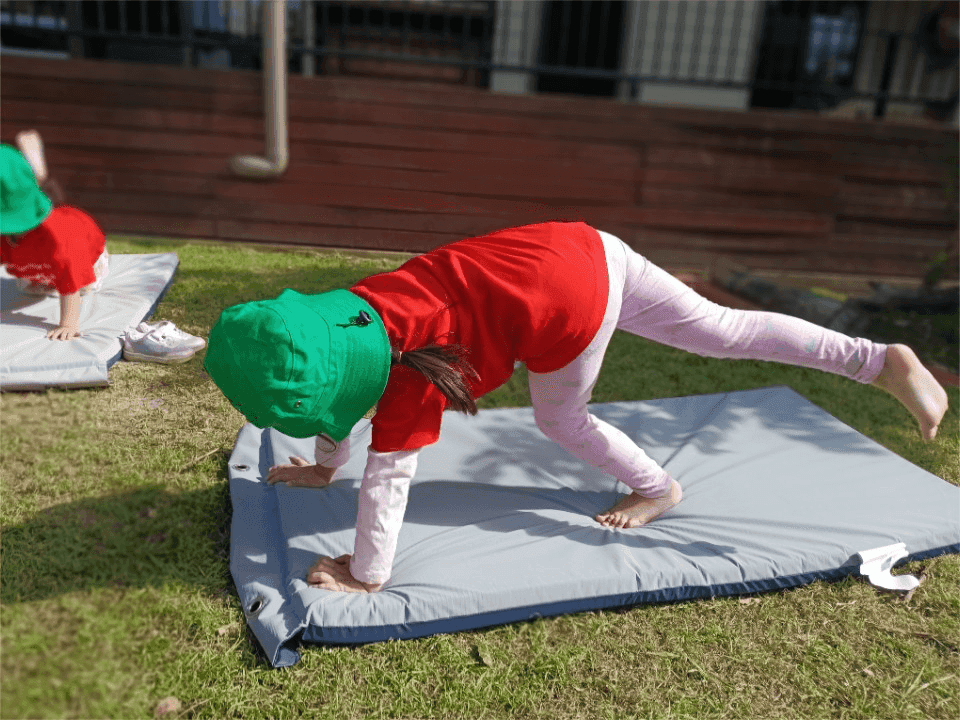
From deep breaths to downward dogs, Queensland Childcare Services (QCCS) is celebrating International Yoga Day 2026 by highlighting the critical role yoga plays in supporting children’s early development.
Held on 21 June, International Yoga Day encourages people of all ages to embrace the benefits of movement and mindfulness for long-term health benefits. At QCCS centres, yoga is central to children’s daily routines, teaching foundational motor skills and emotional regulation.
QCCS General Manager Laura Faalili said yoga offered a fun and engaging way for children to develop healthy habits that support their overall wellbeing and growth.
“Yoga helps children develop a positive connection between their minds and bodies through improved coordination and self-awareness,” Ms Faalili said.
“Our educators observe children becoming more focused and capable of managing their emotions after participating in yoga sessions. These experiences complement our broader commitment to fostering healthy bodies and minds.”
Across QCCS centres, educators incorporate guided yoga experiences into everyday learning and fitness for children. These sessions are designed to help children build body awareness and develop strategies for managing emotions and navigating everyday challenges.
QCCS Hills Early Learning Centre Director Charlotte Leahy said yoga had become a powerful tool for helping children to reset and refocus throughout the day.
“Children often tell us they feel calmer, happier, and more ready to learn after yoga, and we see that reflected in their engagement with learning experiences afterwards,” Ms Leahy said.
“Yoga gives them a safe and enjoyable way to move their bodies and build confidence in their physical abilities. It’s a simple practice, but it makes a meaningful difference.”
Implementing yoga supports QCCS’s Healthy Bodies program by helping children to build strong motor skills and positive physical habits. Alongside yoga, QCCS incorporates mindfulness and emotional-wellbeing practices to help children self-soothe and reconnect with the world around them, such as Dadirri, a sacred Indigenous form of deep listening and contemplation.
“We want every child to feel supported and confident in their ability to navigate their world and be fully present,” Ms Faalili said.
“International Yoga Day is a wonderful reminder of the importance of movement and mindfulness in early childhood, and we are proud to offer programs that help children to build lifelong habits of wellbeing.”
To find out more about QCCS values and commitment to learning, visit the QCCS website.


Don’t miss a thing




Related Articles