Learning in the wild: QCCS celebrates Australian Wildlife Week
 Article
From spotting native wildlife along Enoggera Creek to learning how to protect local habitats, Queensland Childcare Services (QCCS) are embracing their role in supporting the next generation of environmental stewards this Australian Wildlife Week 2026.
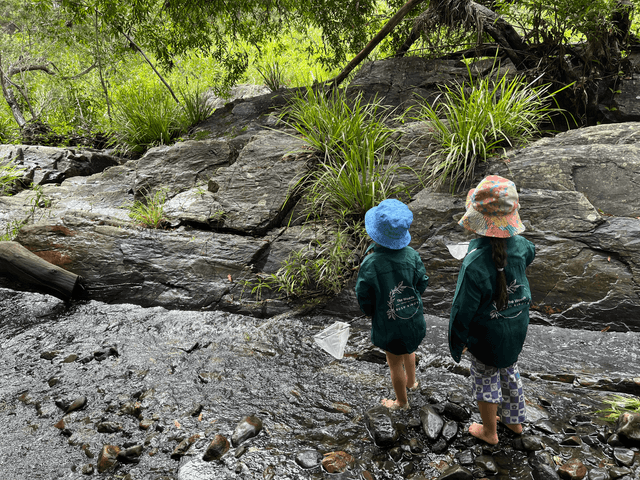
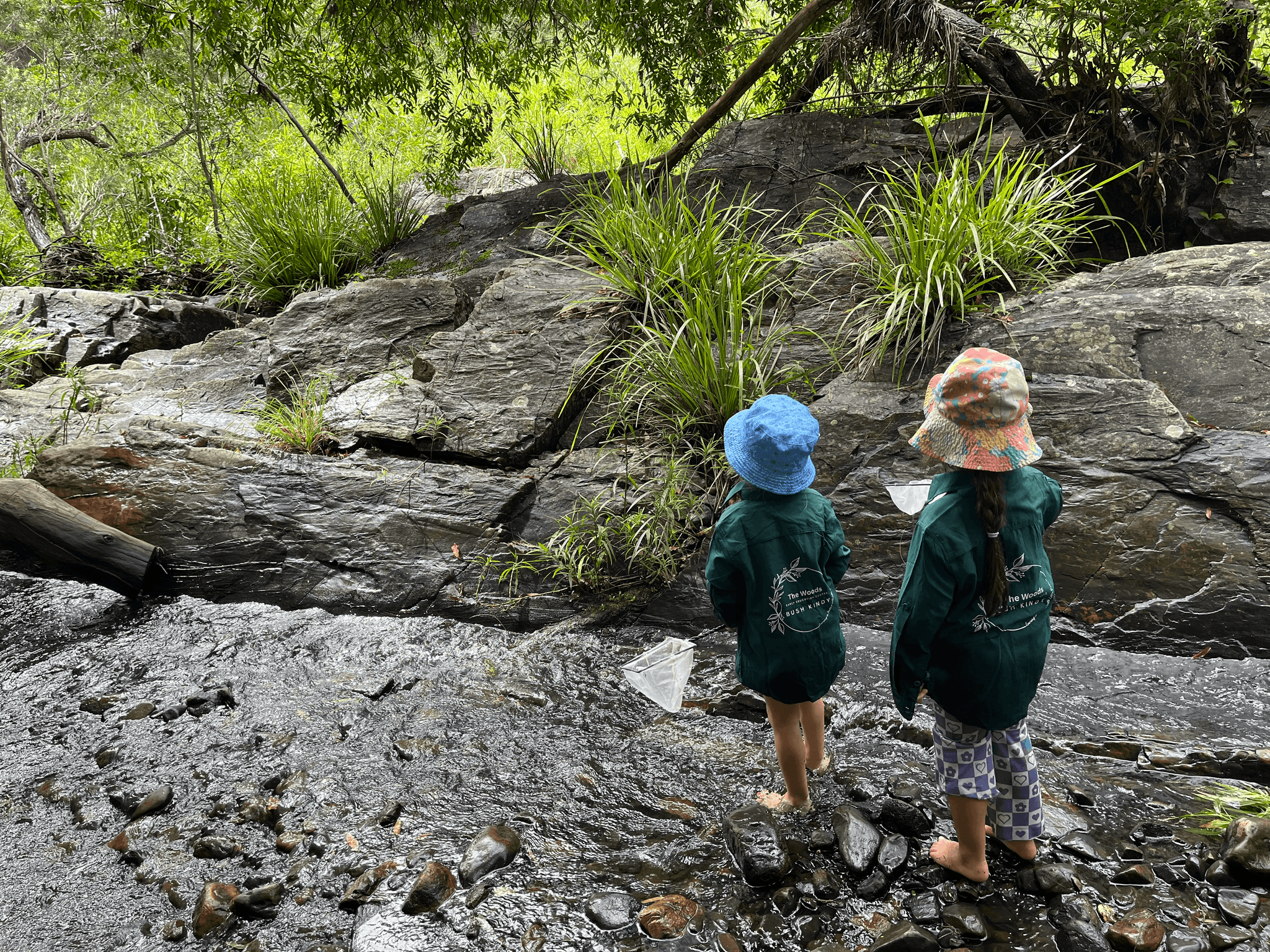
Held from 5 to 11 October, Australian Wildlife Week encourages Australians to learn about and protect the country’s unique native species and habitats. QCCS’ The Woods Early Education Centre in Ashgrove is supporting children to develop a lifelong appreciation and awareness for nature with hands-on learning experiences through its Creek Kindy program.
QCCS General Manager Laura Faalili said Australian Wildlife Week provided an important opportunity to help children connect with nature from an early age.
“Australian Wildlife Week reminds us of the important role education plays in helping children to understand and appreciate the natural world, fostering environmental awareness and responsibility,” Ms Faalili said.
“At QCCS, we believe that some of the most meaningful learning happens outside of the classroom. When children are in nature, they develop curiosity and gain an understanding of how their actions can impact wildlife and the environment.”
Located near Enoggera Creek, The Woods Early Education Centre regularly uses its natural surroundings as an extension of the classroom through Creek Kindy. The program encourages children to observe wildlife and changing ecosystems through firsthand encounters.
QCCS The Woods Early Education Centre Nominated Supervisor Narelle Hellmuth Stanbank said the program aligned closely with the centre’s approach to nature-based learning.
“Creek Kindy allows children to experience wildlife and natural environments firsthand, in a way that can’t be replicated indoors,” Ms Hellmuth-Stanbank said.
“Children observe animals and changing ecosystems and ask questions that lead to meaningful investigation. These experiences foster genuine connection to nature and a growing understanding of why it’s important to protect it.”
As part of the week, children also took part in a “platypus protectors” experience, learning about the Enoggera Creek Platypus Project and the importance of healthy waterways and restoration for native wildlife. These experiences help children to understand that wildlife protection starts within their own community.
“When children learn about the species living in their own community and the habitats that they depend on, they begin to see themselves as caretakers of the environment. These early experiences can have a lasting impact on the role that they have in protecting wildlife for future generations,” Ms Faalili said.
“Australian Wildlife Week provides an opportunity and reminder to celebrate the connection that children have with nature. By fostering this early, we can help to create a future where children not only enjoy nature but learn the importance of caring for it.”


Don’t miss a thing




Related Articles