The rise of nature‑based pedagogy: what services need to know
 Article
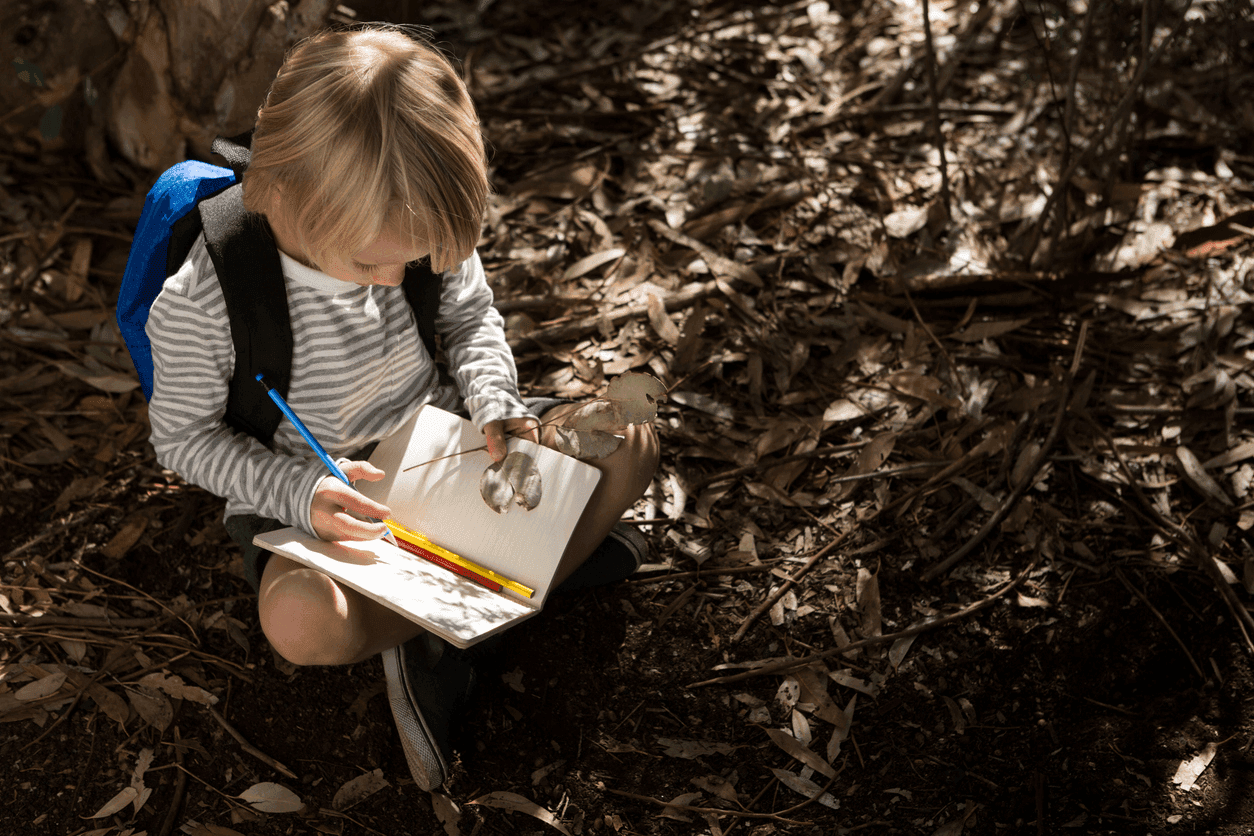
Nature‑based pedagogy has moved from a niche interest to a mainstream conversation in Australian early childhood education and care (ECEC). As families seek more meaningful, grounded experiences for their children, and as educators look for ways to strengthen wellbeing, engagement, and learning, nature‑based programs are gaining momentum across the country. From bush kindergartens to outdoor classrooms and nature‑rich play spaces, the sector is embracing the idea that children learn best when they are connected to the natural world.
But nature‑based pedagogy is more than taking children outside. It is a deliberate, evidence‑informed approach that integrates nature into curriculum, relationships, risk‑taking, and daily routines. This article explores the rise of nature‑based learning, the research behind it, the regulatory considerations, and the practical steps services can take to embed nature‑rich pedagogy authentically and safely.
Several forces are driving the shift toward nature‑rich learning environments.
1. Growing evidence about the benefits of outdoor learning
Research consistently shows that nature‑based play supports:
- physical development
- emotional regulation
- creativity and problem‑solving
- resilience and risk assessment
- social collaboration
- language development
- early STEM exploration
Children who spend more time outdoors often demonstrate stronger wellbeing, improved focus, and deeper engagement in learning.
2. Rising concerns about screen time and sedentary behaviour
Families are increasingly aware of the impact of digital saturation on children’s development. Nature‑based programs offer a counterbalance, open‑ended, sensory‑rich experiences that support healthy development.
3. Increased focus on wellbeing and mental health
Nature has a calming, restorative effect. Educators report that children who struggle indoors often thrive outdoors, where sensory input is more balanced and movement is unrestricted.
4. Cultural and community expectations
Many families value outdoor learning, sustainability, and environmental stewardship. Nature‑based pedagogy aligns with these values and strengthens community connection.
5. Alignment with the EYLF and MTOP
The approved learning frameworks emphasise:
- agency
- exploration
- connection to Country
- sustainability
- holistic development
Nature‑based pedagogy supports all of these elements.
Nature‑based pedagogy is not simply “more outdoor time.” It is a structured, intentional approach that integrates nature into:
- curriculum planning
- daily routines
- risk‑benefit assessments
- relationships with families
- community partnerships
- sustainability practices
It includes:
- bush kindy programs
- outdoor classrooms
- nature‑rich play spaces
- loose parts and natural materials
- gardening and food‑growing
- water, sand, and mud play
- learning on Country with community guidance
The goal is to create environments where nature is not an occasional experience, but a core part of learning.
While nature‑based learning is encouraged, services must ensure compliance with the National Law and Regulations. Key considerations include:
1. Supervision
Outdoor environments require active, intentional supervision. Educators must:
- position themselves strategically
- scan constantly
- anticipate risk
- communicate clearly
2. Risk‑benefit assessments
Regulators expect services to demonstrate:
- clear identification of risks
- strategies to mitigate them
- recognition of the developmental benefits of risk‑taking
- regular review of assessments
3. Safe environments
Outdoor spaces must be:
- well‑maintained
- free from hazards
- designed to support safe exploration
4. Weather considerations
Services must plan for:
- heat
- storms
- UV exposure
- wet weather
Policies should outline how decisions are made and communicated.
5. Child safety and cultural safety
Nature‑based programs must align with child safe standards and ensure culturally respectful practice, particularly when learning on Country.
Services can strengthen nature‑based learning through several practical strategies.
1. Start with your existing environment
You don’t need a bushland reserve. Even small changes can make a big difference:
- adding natural materials
- creating quiet nature nooks
- planting herbs or native plants
- introducing loose parts
2. Build educator capability
Professional learning should focus on:
- outdoor supervision
- risk‑benefit assessment
- intentional teaching outdoors
- sustainability
- cultural perspectives
3. Strengthen relationships with families
Families may have questions about safety, weather, or risk. Clear communication builds trust.
4. Partner with local communities
Local councils, Landcare groups, and Aboriginal and Torres Strait Islander organisations can provide guidance and support.
5. Embed sustainability
Nature‑based pedagogy aligns naturally with sustainability practices such as:
- composting
- recycling
- water conservation
- gardening
- caring for local ecosystems
6. Document learning meaningfully
Outdoor learning should be documented with the same intentionality as indoor learning, highlighting:
- inquiry
- problem‑solving
- collaboration
- connection to Country
- STEM exploration
As services embrace outdoor learning, they are discovering new ways to support children’s wellbeing, curiosity, resilience, and connection to the world around them. The future of ECEC will increasingly be nature‑rich, inquiry‑driven, and grounded in relationships with community and Country.
Nature is not an “extra”, it is a powerful, essential part of how children learn.


Don’t miss a thing




Related Articles