Virtual learning trial helps children stay connected to education during family violence crises

 Article
A partnership between McAuley, MacKillop Education and Monash University aims to bridge disrupted schooling for primary-aged children in emergency accommodation.
A virtual learning trial is providing primary-aged children experiencing family violence and homelessness with short-term education support while they are unable to attend school safely or consistently.
Led by McAuley Community Services for Women and MacKillop Education, in partnership with Monash University, the initiative aims to maintain children’s connection to learning while their families seek safety.
“When women and children escape family violence, safety is rightly the first priority. But too often children's education becomes another casualty of the crisis,” said McAuley CEO Jocelyn Bignold OAM.
A bridge back to school
Children moving between motels, refuges and temporary accommodation can lose contact with teachers, classmates and familiar routines. Repeated moves can also make it difficult to maintain school attendance.
Bignold said these disruptions could leave children disconnected from education systems during periods of instability.
“We see children moving between motels, refuges and temporary accommodation, separated from their teachers, classmates, routines and community. Many effectively disappear from education systems that are not designed to follow them during periods of instability.”
McAuley describes its learning continuity initiative as a bridge back to school, helping children remain engaged until they can safely return to their classroom or enrol elsewhere.
Consistent educators and flexible learning
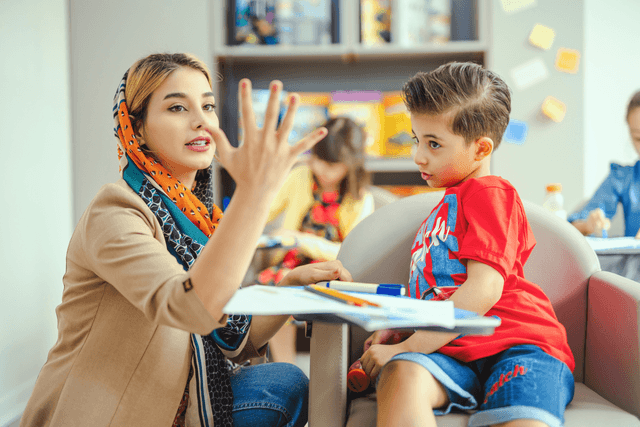
The trial offers up to two hours of daily learning engagement through virtual delivery, with learning aligned to the Victorian Curriculum where appropriate.
Monash University contributes expertise in digital learning design and delivery, while MacKillop Education provides trauma-informed educational support.
The approach prioritises safety, emotional regulation and readiness to learn. Consistent educators build relationships with children, with learning tailored to their needs and interests.
The focus on connection reflects wider concerns about the educational effects of family violence. Monash research published in 2025 identified disrupted attendance, difficulty accessing learning at home and poorer educational performance among impacts reported by young victim-survivors.
That research also highlighted the importance of relationships between schools and specialist family violence services, alongside flexible responses to affected students’ circumstances.
Ongoing funding sought
The trial is currently supported entirely through philanthropic investment. McAuley says ongoing funding is needed to sustain the initiative and extend support to more children.
Safe Steps and wayss are helping connect children and families with the program through referrals.
Bignold said interrupted education should not be accepted as an inevitable consequence of seeking safety.
“For too long, we have accepted that children experiencing family violence and homelessness will fall behind at school while their families seek safety. This has enormous ramifications for children’s futures and for our whole society. It does not have to be this way.”


Don’t miss a thing




Related Articles