Before changing the water play, watch what children are working out
 Article
An experience does not need to change each day to be valuable. Sometimes children need another opportunity to work out what interests them.
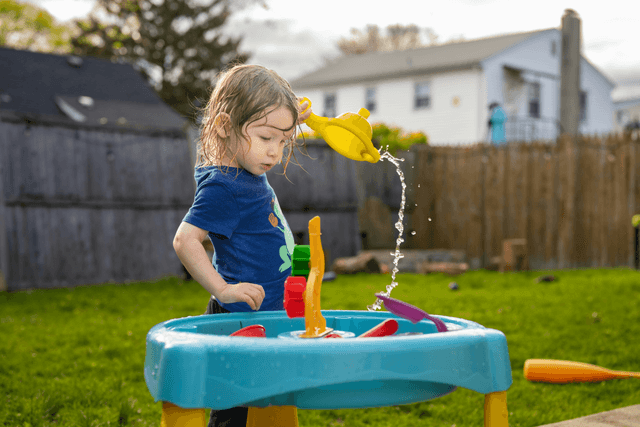
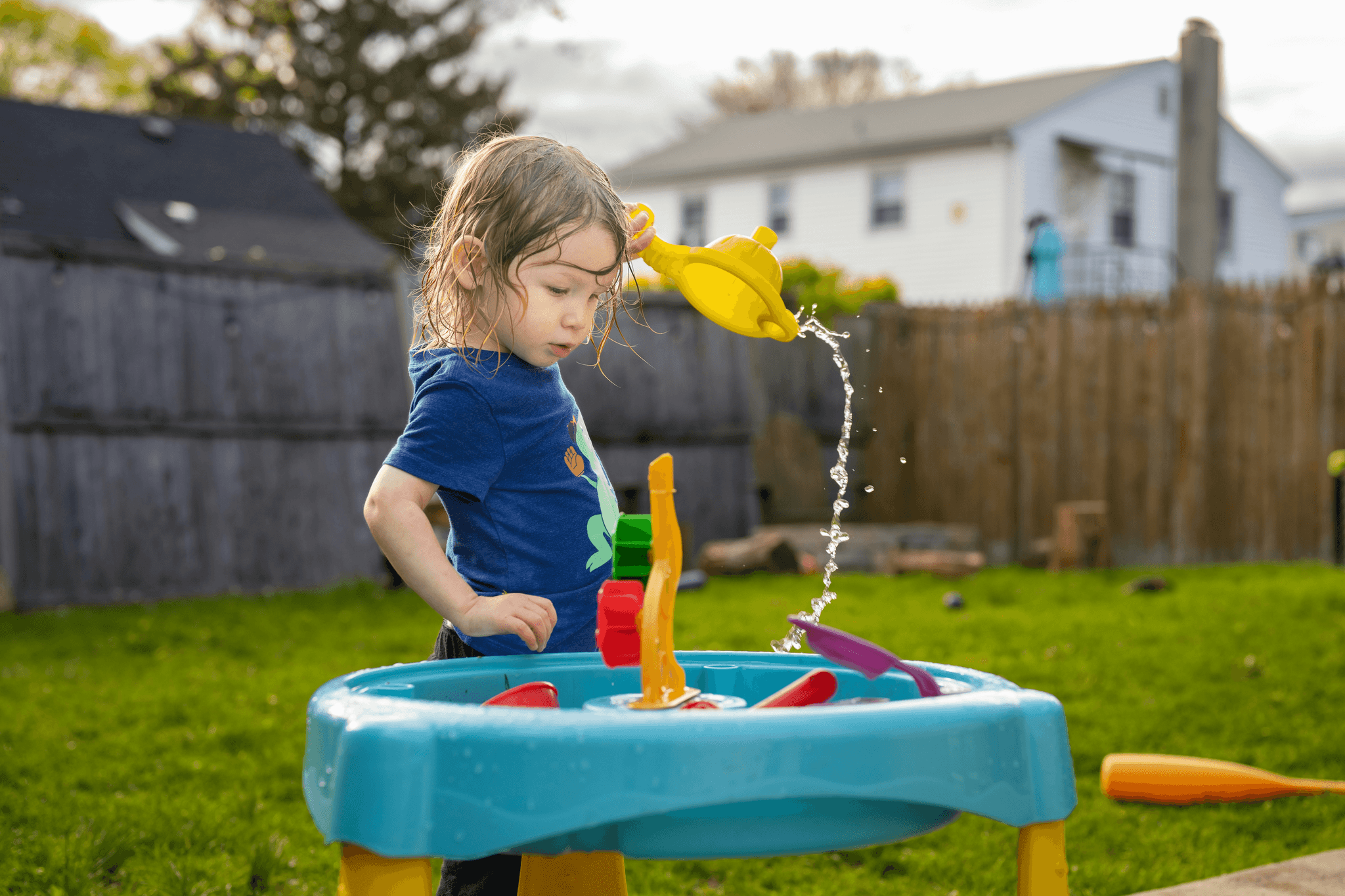
A child fills the same container, empties it and starts again. After a few attempts, they choose a smaller jug. Another child holds the funnel steady while the water runs through.
It would be easy to decide the setup needs something new tomorrow. Instead, the children may only just be finding their way into the experience.
As warmer weather brings more opportunities for water play, I would encourage educators to pause before changing what is offered. What are children investigating, and what might they want to return to?
Doing it again does not mean nothing is changing
From a distance, repeated pouring can look much the same. Closer observation may reveal a different grip, a slower movement or a child discovering that someone else can help hold a container steady.
Our role is to notice those changes and consider what the child is trying to achieve. Before asking what we could add, ask what is already happening. Is the child comparing containers, trying to control the flow or finding a way to avoid spilling?
There is no need to turn every attempt into a question. A comment such as “You held it with both hands this time” acknowledges what happened without asking the child to stop and explain. We may learn more by watching and listening than by leading the conversation.
Before adding more, ask what is getting in the way
A few suitable containers, brushes or channels can provide plenty to explore. Their value comes from how children use them and how we respond, rather than how many resources surround the trough.
If a child is transferring water between containers, a funnel or short channel might help extend the investigation. If they are watching watermarks disappear, brushes and a suitable outdoor surface may offer somewhere to take that interest. Introduce a possibility, then allow children to decide what happens next.
Sometimes the useful change is about access. Can children reach comfortably, manage the tools and participate without being crowded out? A lighter container, an easy-grip handle or an opportunity to sit may make more difference than another activity. Some children may prefer to watch or use a brush rather than put their hands into water. Those choices deserve consideration too.
Empty the water, keep the investigation going
Supervision, hygiene, suitable materials, sun protection and spills all need attention before play begins. ACECQA’s outdoor-play guidance includes close supervision and emptying water immediately after use. Even a small amount of water needs careful management; returning to an experience means setting it up safely again, rather than leaving filled containers accessible.
Within those arrangements, consider what children might revisit. If they have started solving a problem or developing an idea together, an entirely different setup the next day may interrupt that investigation. Keep a note of the materials and arrangement so you can offer them again where appropriate.
Documentation should help with that decision. A child’s question, a brief observation or a photograph taken in line with service policies may remind you what mattered. Record what will inform your teaching, rather than producing documentation simply to show that an activity occurred. Share useful observations with colleagues so the investigation does not depend on one educator being present.
The value of water play is not measured by how impressive it looks as we walk past. It is in what children notice, attempt and work through, with educators who pay attention. Before adding more, give yourself time to see what they are already achieving and whether another opportunity would be the most useful thing to offer.


Don’t miss a thing




Related Articles