Give to gain: what International Women’s Day 2026 means for the ECEC sector
 Article
International Women’s Day 2026 calls on communities to ‘Give to Gain’. For Australia’s early childhood education and care sector, a workforce predominantly led by women, the theme presents both a celebration and a call to action.
Observed globally on 8 March, International Women’s Day (IWD) recognises the social, economic, cultural and political achievements of women while accelerating momentum towards gender equality.
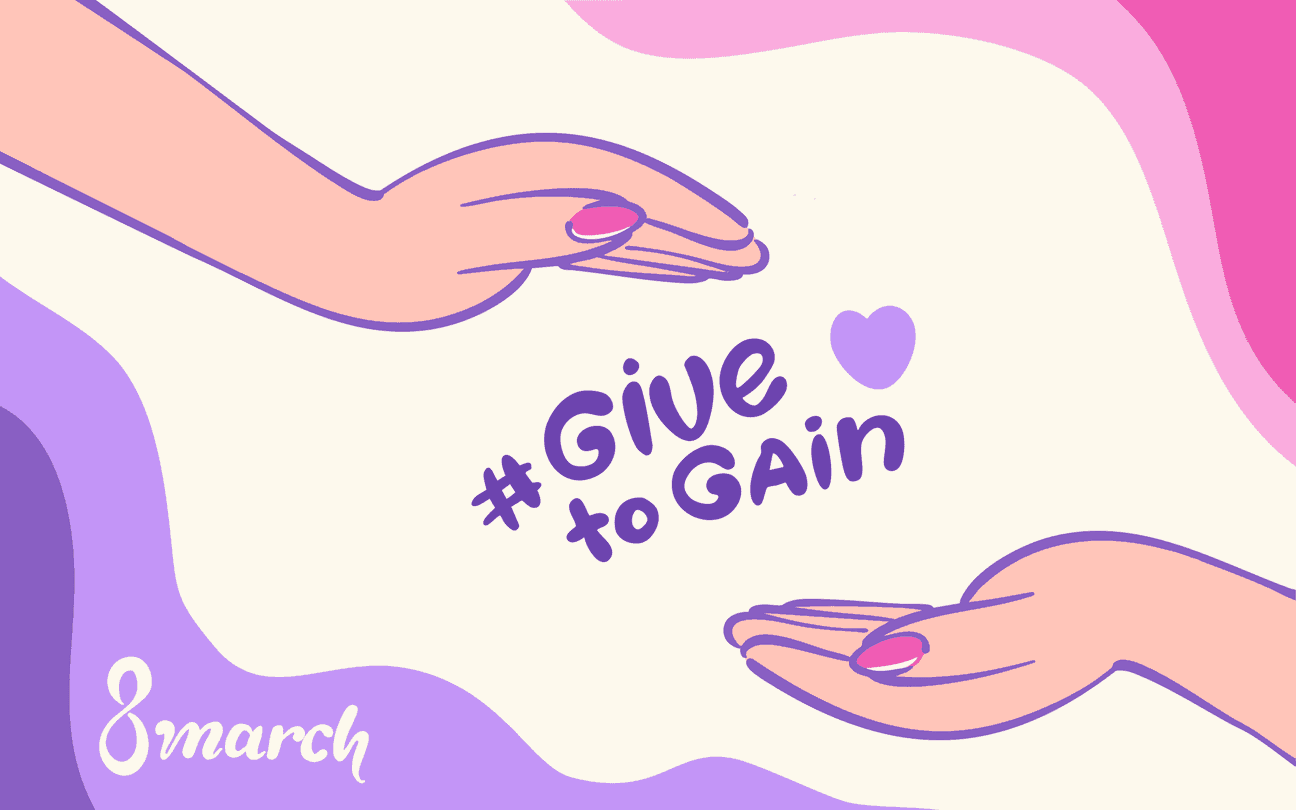
The 2026 campaign theme, Give to Gain (#GiveToGain, #IWD2026), invites individuals, organisations and communities to consider a simple but powerful proposition: when society gives support, visibility and opportunity to women, everyone benefits.
For the early childhood education and care (ECEC) sector, that message resonates deeply.
ECEC remains one of Australia’s most female-dominated workforces. Educators, centre managers and approved providers, many of whom are women, contribute daily to children’s development, family stability and national productivity.
Yet despite the sector’s social and economic importance, issues of workforce recognition, pay equity, professional status and leadership representation continue to shape the national conversation.
Against this backdrop, Give to Gain offers a lens through which to view reform.
When educators give their expertise, care and professional knowledge, society gains confident learners, workforce participation for parents and stronger communities.
When governments and communities give equitable recognition, sustainable funding and professional respect, the sector gains stability, quality and long-term viability.
International Women’s Day has, since its first gathering in 1911, belonged collectively to all who support gender equality and human rights.
The 2026 campaign encourages purposeful activity tailored to local contexts. For ECEC services, this creates practical opportunities to embed the day meaningfully within their settings.
Possible approaches include:
- Empowering children through representation
- Services can draw on age-appropriate resources to introduce children to diverse female role models across science, leadership, sport and community life. These conversations support inclusive practice aligned with the Early Years Learning Framework, particularly around identity, belonging and respect for diversity.
Services may choose to publicly acknowledge the contribution of their educators through internal recognition, community messaging or social media engagement. Elevating professional visibility aligns with ongoing advocacy to value early childhood education as a critical profession.
With the 2026 campaign positioning IWD as a significant annual giving opportunity, services could partner with or nominate women-focused charities for community fundraising initiatives. Even small-scale activities can foster dialogue about equity and inclusion.
International Women’s Day is not only commemorative; it is strategic.
Calls for gender equality intersect with broader national reform discussions in early learning, including workforce sustainability, leadership pathways and equitable access to high-quality ECEC.
The idea underpinning Give to Gain is reciprocal progress. Investment in women’s leadership and participation strengthens economic resilience. Investment in early childhood education strengthens social outcomes. The two are inherently connected.
As feminist Gloria Steinem observed, the struggle for equality belongs to the collective efforts of all who care about human rights. For the ECEC sector, that collective includes educators, providers, peak bodies, policymakers and families.
On 8 March 2026, services across Australia will mark International Women’s Day in different ways.
For ECEC leaders, the opportunity extends beyond a single day of recognition. It is a chance to reflect on workforce equity, advocate for sustainable reform and champion the professional expertise of educators.
Giving visibility, respect and structural support to the women who underpin early childhood education is not symbolic.
It is an investment that delivers lasting social and economic gain.
Need help planning International Women's Day visit their website for resources and ideas.


Don’t miss a thing




Related Articles