If ownership doesn’t determine quality, what does?

 Article
Australia’s early childhood education and care sector has spent considerable time debating ownership structures.
For-profit or not-for-profit. Independent or corporate. Community-run or privately owned.
Yet ownership is fundamentally a legal and governance structure. It does not, on its own, explain why one service excels while another struggles.
If the sector is serious about lifting standards nationally, a more useful question is what consistently creates quality for children, families and educators.
Quality is regulated, but lived locally
Under the National Quality Framework, all approved providers are assessed against the same National Quality Standard and subject to the same regulatory obligations.
Ownership may shape governance models, access to capital and operating strategy, but children do not experience ownership structures.
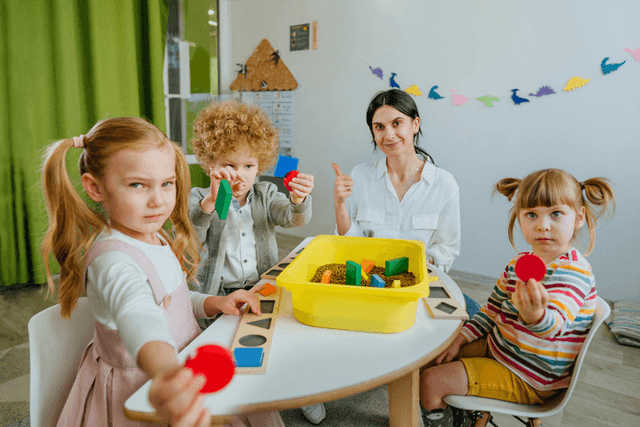
They experience:
- warm and responsive educators
- stable staffing teams
- safe and engaging environments
- thoughtful educational programs
- strong leadership
- respectful partnerships with families
Quality is measured formally, but it is lived locally in the daily interactions between children and adults.
Leadership may be the clearest differentiator
Strong services are rarely accidental.
They are often led by centre managers, educational leaders and approved providers who create high expectations, clear systems and positive workplace cultures.
Where leadership is weak, quality can drift regardless of ownership model.
Where leadership is strong, services often sustain standards even under pressure.
For a sector focused heavily on compliance, leadership capability may deserve greater policy attention.
Workforce stability shapes children’s experience
No service can consistently deliver quality amid chronic turnover.
Children benefit from familiar adults who know their routines, interests and cues. Families value continuity and trust. Teams perform better when relationships are established.
This suggests workforce retention may be as important as recruitment in future reform discussions.
Culture matters more than structure
Many of the highest-performing services share cultural traits rather than ownership traits.
These often include:
- educators feeling respected and supported
- strong mentoring of new staff
- calm and capable leadership
- accountability with fairness
- openness to feedback
- continuous improvement
Toxic cultures can emerge in any ownership model. Healthy cultures can too.
Governance still matters
None of this makes ownership irrelevant.
Governance quality, financial sustainability, child safety oversight and ethical decision-making remain critical.
Some larger providers benefit from scale, specialist expertise and shared systems. Smaller operators may benefit from agility, local relationships and consistency of vision.
Each model has strengths and risks.
The more useful test is not who owns the service, but how well it is led and governed.
The debate Australia should now be having
If the policy objective is stronger child outcomes, better workforce sustainability and service viability, greater attention may be needed on:
- leadership development
- educator retention
- funding adequacy
- regulatory consistency
- governance capability
- continuous quality improvement
These issues are more complex than ownership labels, but far more likely to improve outcomes.
Children experience quality, not ownership
Children do not know the legal structure of a service.
They know whether they feel safe, valued, engaged and supported.
That may be the clearest reminder of all.
If ownership does not determine quality, the next stage of the national conversation should focus on what does.


Don’t miss a thing




Related Articles