Now, how can we ensure children’s safety?
 Article
As early childhood researchers, we want to ensure early childhood education supports children’s safety and wellbeing. Since the revelations from the ABC’s Four Corners investigation of Australian childcare, we continue to hear of crimes against young children.
All of this places early childhood educators under the spotlight, resulting in additional safety training and limits on use of personal devices, such as mobile phones when working with children.
But none of this addresses the policy and structural change needed to attract the right educators to the profession. None of this addresses the policy and structural change which would provide a foundation for quality early childhood education.
“So how can we ensure children’s safety?”
Clarion call on safety
The ABC investigation and its findings became a clarion call to early childhood education services, researchers, and providers of initial teacher education. The allegations of abuse and neglect were shocking, exposing how the current workforce challenges place children at greater risk of harm.
It was an opportunity for reflection, and we hosted a series of panels in response to the crisis, to learn how we can improve children’s safety through high-quality environments. Sadly, that question was too complex to answer in only four meetings. Still, we did discover some priorities for the sector, for our role in higher education and the urgent need for systemic and structural change.
We all know that the most likely perpetrator of abuse is someone known to the child. It’s crucial that early childhood professionals and students preparing to be early childhood teachers are aware of and can recognise their tactics.
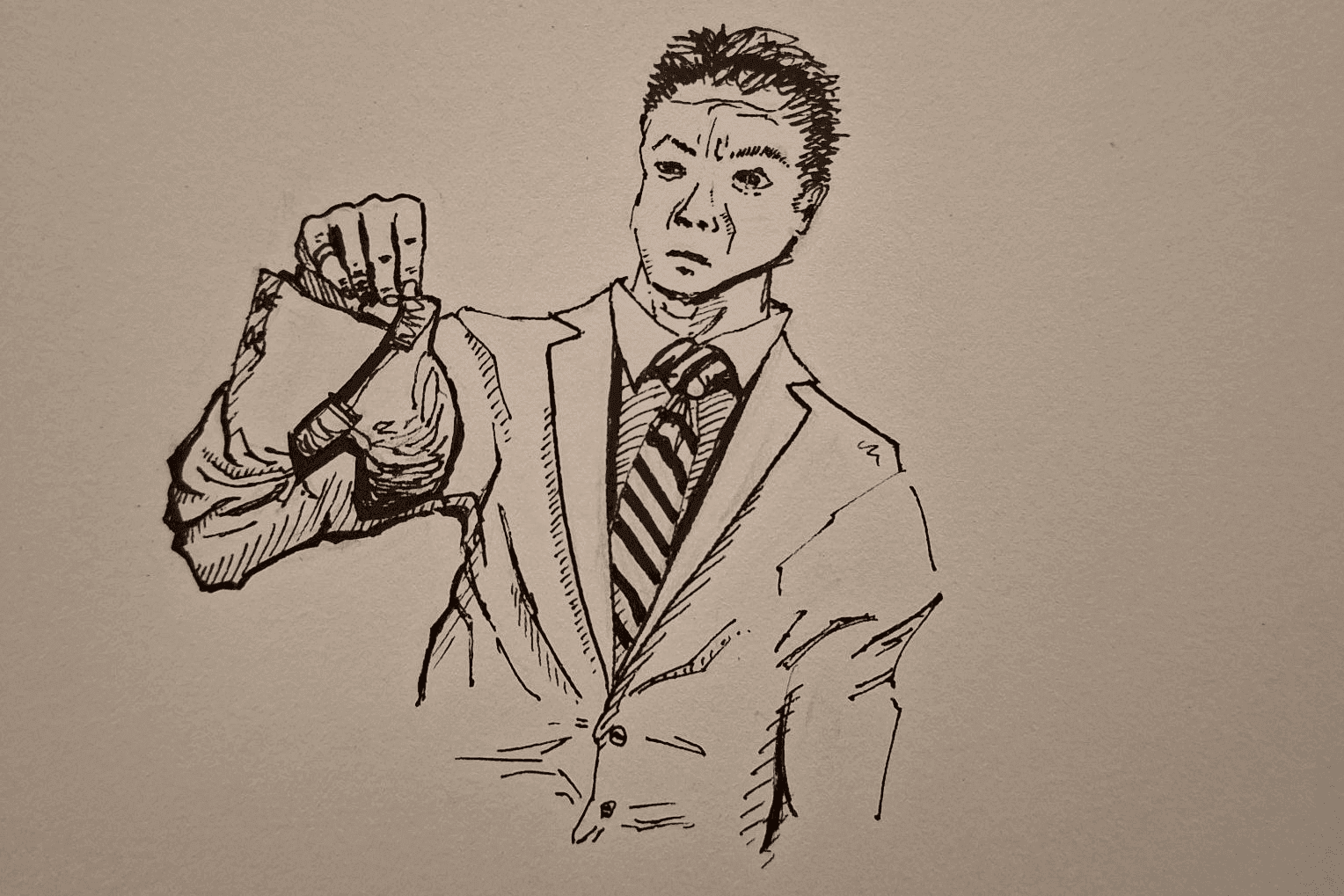
Marg Rogers, an associate professor in early childhood at UNE, outlined how perpetrators of child abuse strategically groom children, targeting children who may be vulnerable due to personal circumstances or loneliness and charming them through praise, special treatment and gifts. They seek to win the trust of other adults, parents or colleagues by offering favours or taking on additional responsibilities or tasks at work. Under this cover of kindness, they are secretly driving a wedge between the child and their community, creating the conditions for secrecy and for abuse to occur.
Improving ratios
Improving child-to-educator ratios is also a matter of urgency. Our conversations revealed the greatest protective factor we can offer children is relationships. At the centre level, this means we have to resist and reject concepts such as the “under the roof” ratio. That’s a practice in which all the adults in a building are counted to meet child-to-caregiver requirements. Included in this calculation are adults without teaching qualifications, a cleaner, an administrator, staff on a break or the centre chef.
These staff may have little knowledge of the children and may be unable to keep them safe or know if a child is showing any signs of distress. They may also not know if an educator is taking children to prohibited spaces, where crimes can occur. Practices such as these arise because of increasing staff shortages due to issues such as attracting, maintaining and supporting staff. Educators across the country are experiencing very low levels of morale, confidence and wellbeing, exhausted by workforce conditions.
Well-qualified and well-meaning professionals are angered and frustrated by the lack of attention to the support they need for their beautiful, relational work with children. When ratios are met, educators have more time to spend with children, forming positive relationships that develop trust. Relationships with trusted adults are one of the most protective factors we can offer children. They need to know their voices are listened to by the people responsible for their care.
Educators’ voices must be heard on children’s safety
Educators’ voices must also be heard. They have consistently been at the forefront of calls for change within the profession. But too often their perspectives are overlooked, contributing to the lack of professional recognition.
Innovative early childhood leader Su Garrett shared her research on practice architectures with leaders from two high-quality early childhood settings. Her work highlighted the central role of relationships between educators and leaders in shaping positive workplace cultures. She emphasised that fostering cohesive teams, valuing educators’ contributions, and creating opportunities for meaningful professional dialogue enables organisations to develop practices and strategies that strengthen educator wellbeing and retention across the early childhood education and care sector.
Importantly, Garrett’s research demonstrated that effective leadership extends beyond monitoring compliance or administrative tasks, such as ensuring Storypark entries are up to date.
It requires leaders to genuinely know their educators and acknowledge their lives and experiences.
So how can we ensure children’s safety?
The right foundations
In our final panel discussion, Marianne Fenech, professor of early childhood education at the University of Sydney, reminded us that until we get the foundations right, with adequate ratios, salaries, workplace conditions and professional standing, it is not possible to “ensure” that children’s rights, wellbeing and safety remain the focus of decision-making.
The wellbeing of educators was a recurring theme in our conversations, as was a lack of awareness about the emotional toll involved with working so closely with children and their families.
If we really want to safeguard our children, we need to safeguard our educators, and this begins in higher education. How can we equip our future teachers for the many challenges they will face in the sector?
The educators we spoke to were inspiring and insightful and advocated for more attention to educator wellbeing. This means changing the structures and governance as well as reducing the administrative burden.
The majority of early childhood educators are dedicated professionals who love working with children and take their responsibility seriously to keep children safe. The investigations and allegations have seriously impacted educator wellbeing. If we don’t get that right, we cannot get it right for young children.
Such a privilege
As one early childhood teacher, Sophie Hay, shared:
“It’s such a privilege to be so trusted by families with their little loves, but yes, these trusted, responsive, warm and engaged educators don’t just happen, so having a lower ratio and an opportunity to have a conversation about lowering those ratios would go a really long way in increasing that quality and safety.”
The AARE Early Childhood Special Interest Group held a series of online events, Shaping Futures: Conversations in Early Childhood Education, last year. The purpose of the activity was to start a professional conversation in light of the ABC’s Four Corners investigation and subsequent story, Betrayal of Trust: Australia’s Childcare Crisis, on inconsistent regulatory systems in early childhood education and care.
These conversations aimed to support reflective practice, shared learning and continuous improvement among educators and academics in early childhood education. Each of these conversations was translated into a series of portraits, illustrating educators and researchers as both impacted by and responsible for responding to this crisis.
The conversations from these events were woven together for this post by Somayeh Ba Akhlagh, UNE; Fiona Boylan, ECU; Olivia Karaolis, UNDA; and Jennifer Stevens-Ballenger, La Trobe.

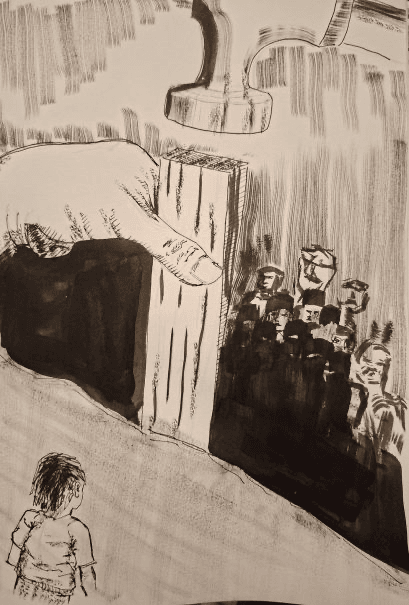
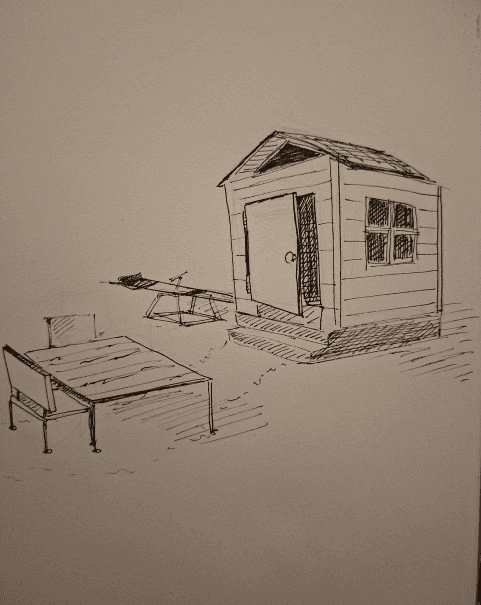
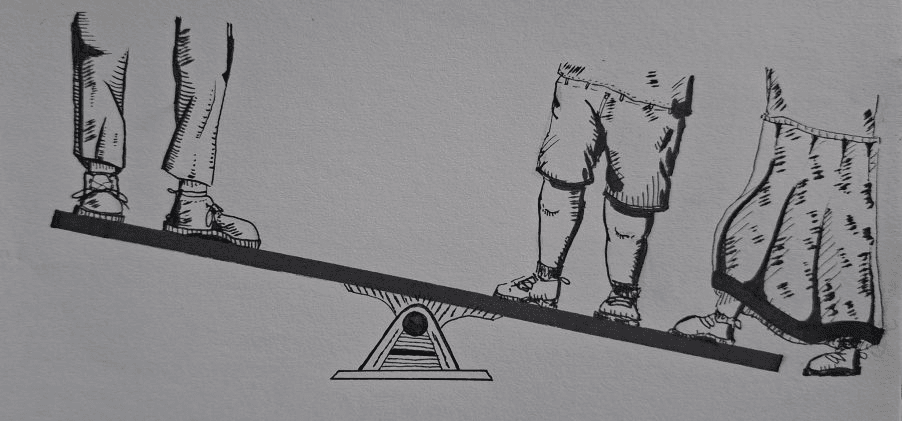
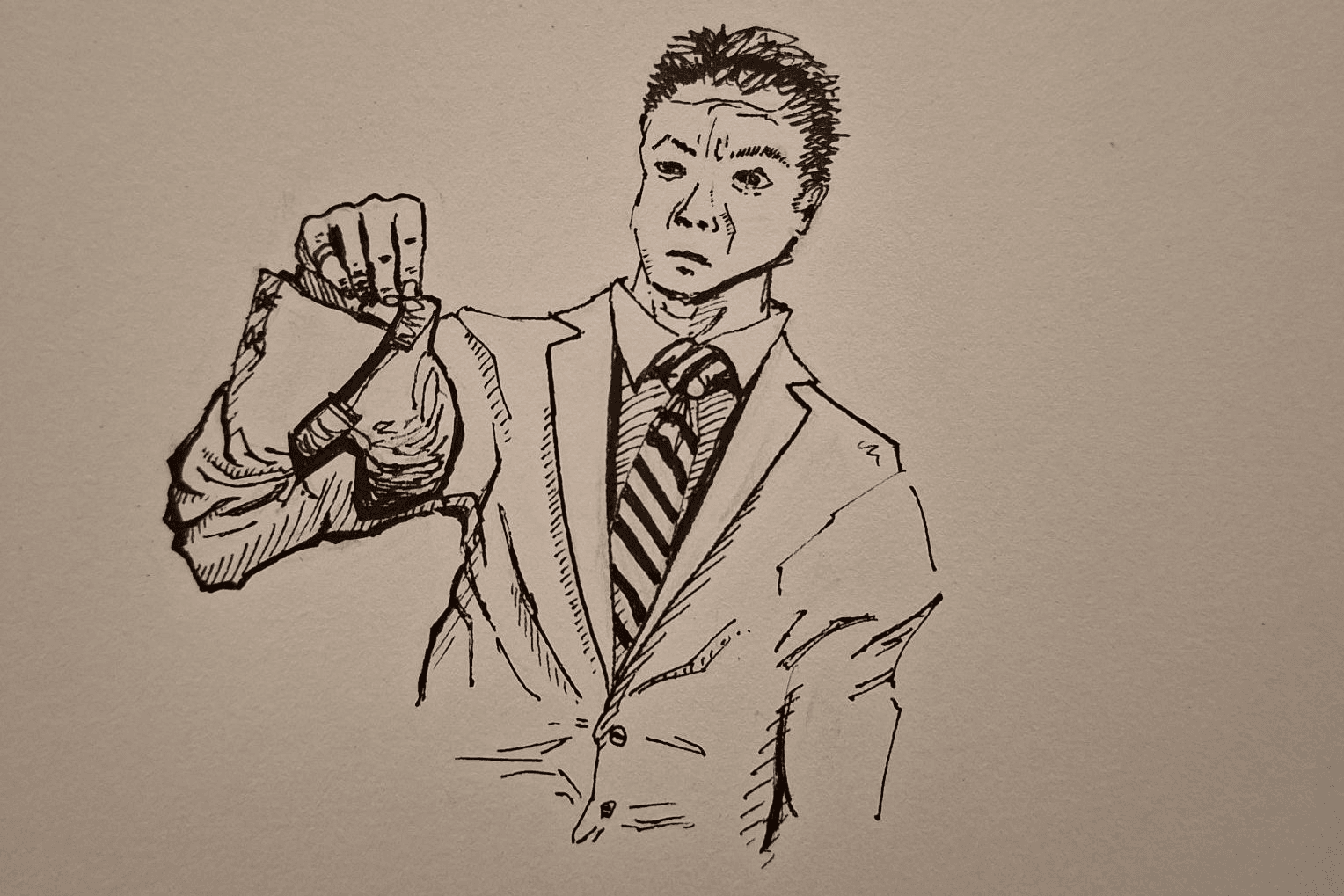
Illustrations by Won-Bhin Karaolis, Sydney College of the Arts.
From left to right: profile of a perpetrator, driving a wedge, out of sight, out of ratio and under the roof.
This article was originally published on EduResearch Matters. Read the original article here.


Don’t miss a thing




Related Articles