



Healthy Harold partners with Aussie kids to tackle increase in vulnerability in the early years
 Article
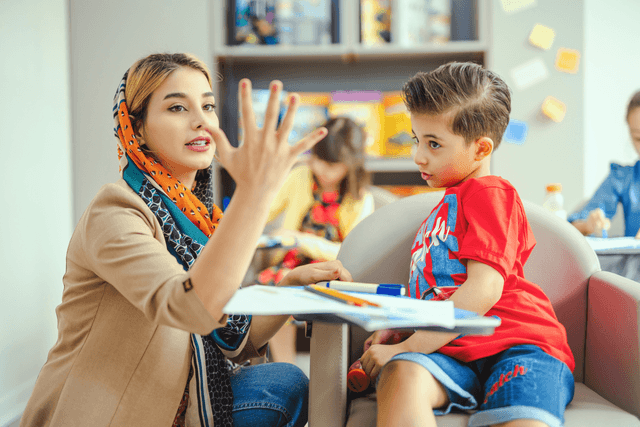
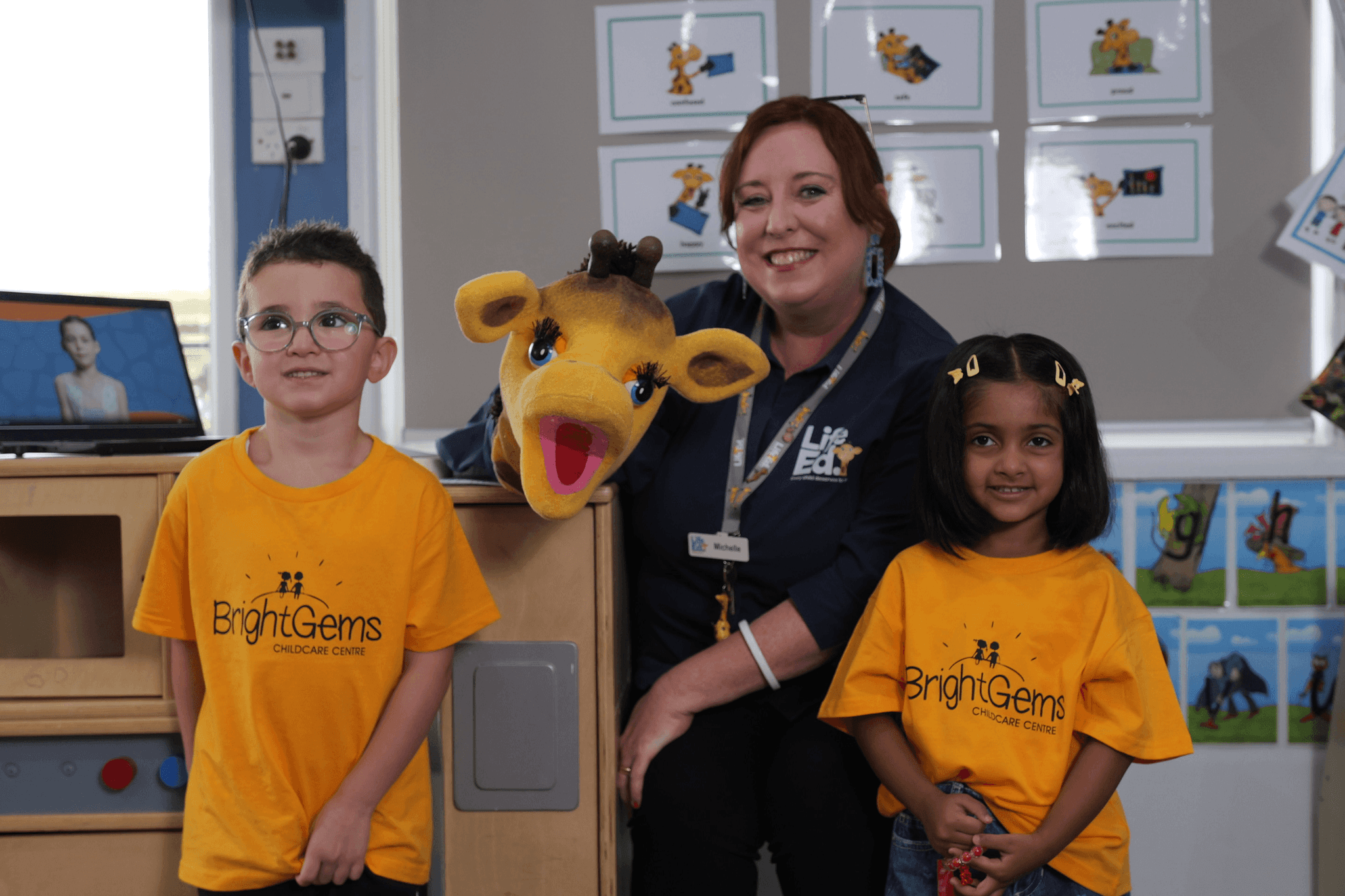
Nearly 1 in 4 Australian children are considered developmentally vulnerable when they start primary school1 – this is the highest level since the Australian Early Development Census (AEDC) began in 2009. It reveals the critical need for earlier education to support the declining health and wellbeing of Aussie kids, with Healthy Harold rising to this challenge through Life Ed’s early learning program and launch of new module, Harold’s Big School.
“When you dig deeper, the AEDC numbers show a clear decline in the Social Competence and Emotional Maturity domains. This explains the increase in vulnerability in children transitioning to primary school because Social and Emotional Learning (SEL) skills play a major part in a child’s development. These skills help them to make new friends, follow instructions and work through conflict. Children who find these aspects more challenging have more difficulty navigating periods of change, including school transitions,” said Karen Robertson, CEO, Life Ed Australia.
“Strong SEL skills help children feel connected, confident and that they belong. In today's increasingly complex and connected world, nurturing these skills has never been more important. That's why our new module, Harold's Big School, places a strong emphasis on building children's sense of belonging, emotional safety and confidence as they transition to school.”
Harold’s Big School empowers little learners to practice their SEL skills by elevating the voices of Aussie kids in the same stage of life. The unique interactive learning experience features Aussie kids in their final year of preschool and early learning. They share what they feel excited and concerned about and they are met with advice and reassurance from children who are in primary school, encouraging connection, curiosity, independence, help seeking and resilience.
“Research consistently shows that children learn from one another. By creating opportunities for children to hear from peers who have recently navigated the transition to school, we're harnessing the positive influence children can have on each other while ensuring the messages they receive are evidence-based, age-appropriate and reinforced through the trusted relationships they have with educators and families," continued Ms Robertson
1 Most recent Australian Early Development Census, 2024.
“Young people naturally look to their peers for advice and guidance, particularly in today's digital world. This creates an important opportunity for parents, educators and trusted adults to work together to ensure children receive positive, evidence-based information and develop the skills to navigate online environments safely, critically and confidently.”
The Life Ed program utilises peer-to-peer education to create real impact and resilience amongst our next generation. This authentic and inclusive approach is made memorable by hands-on learning activities with an Aussie icon, Healthy Harold, because children learn by doing.
Harold's Big School completes Life Ed's comprehensive Early Years program, bringing together the knowledge, skills and confidence children have developed across six engaging modules. Whether delivered as a standalone experience or as the culmination of the full program, it strengthens children's understanding of safety in the online and real world, respectful relationships, healthy choices and emotional wellbeing, helping them transition to school feeling safe, connected and ready to thrive.
Harold’s Big School is evidence-informed, curriculum-aligned and strengths-based. It is grounded in research from the Australian Education Research Organisation (AERO) and aligns with the Early Years Learning Framework (EYLF) and National Quality Standards (NQS).
Harold’s Big School is available nationally, learn more and book today lifeed.org.au/haroldsbigschool

Don’t miss a thing


Related Articles