Harmony Week 2026: how early learning services are celebrating belonging and diversity
 Article
From belonging walls to multicultural storytime, early learning services across Australia are using Harmony Week to help children explore identity, friendship and cultural diversity through play, stories and shared experiences.
For early learning services, the week provides a natural opportunity to explore concepts of belonging, identity and cultural diversity with children in ways that align closely with the Early Years Learning Framework (EYLF).
Rather than formal lessons, most services approach Harmony Week through everyday experiences that reinforce kindness, respect and the idea that everyone belongs.
Across centres, the message is simple and accessible for young children: people may look different, speak different languages or celebrate different traditions, but everyone is part of the community.
In early learning environments, Harmony Week is typically framed through child-friendly ideas such as friendship, kindness and inclusion.
Educators often introduce concepts including:
- respecting differences
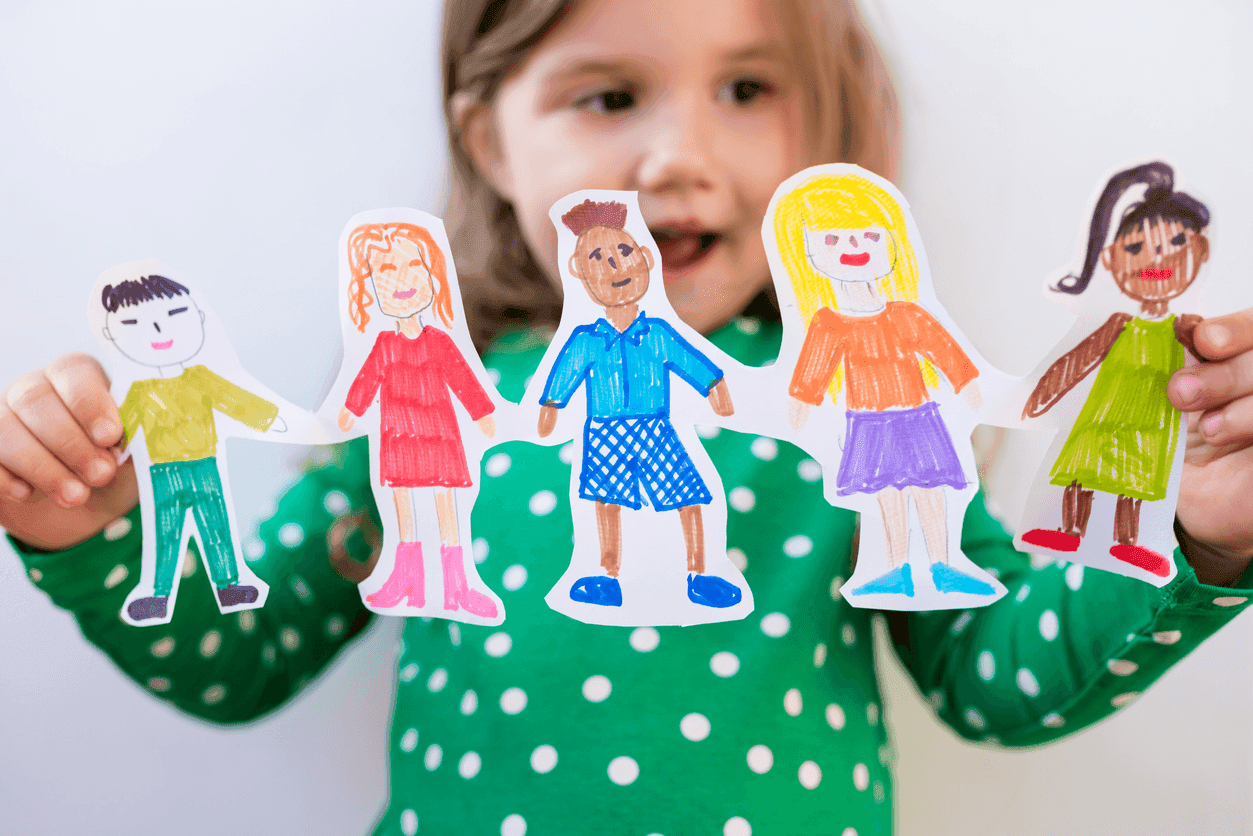
- recognising family diversity
- celebrating cultural traditions
- building friendships across cultures
These ideas connect strongly with EYLF learning outcomes, particularly those relating to identity, community and communication.
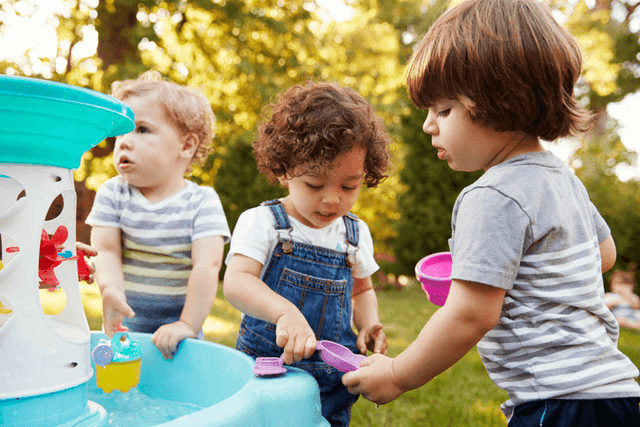
Many educators embed Harmony Week discussions into everyday routines such as group time, greetings, shared meals and collaborative play.
The core message often shared with children is simple: everyone belongs.
As highlighted in the Pyjama Foundation’s Harmony Week reflection, belonging is created when children feel accepted for who they are and see their identity reflected in the environments around them. In early childhood settings this can include recognising family cultures, welcoming different languages and encouraging respectful curiosity about differences.
By linking inclusion with daily interactions rather than isolated activities, services help children develop a genuine sense of belonging within their learning community.
While each service approaches Harmony Week differently, several activities have become widely adopted across early learning settings including:
- Harmony hands,
- Friendship circles,
- World music and dance,
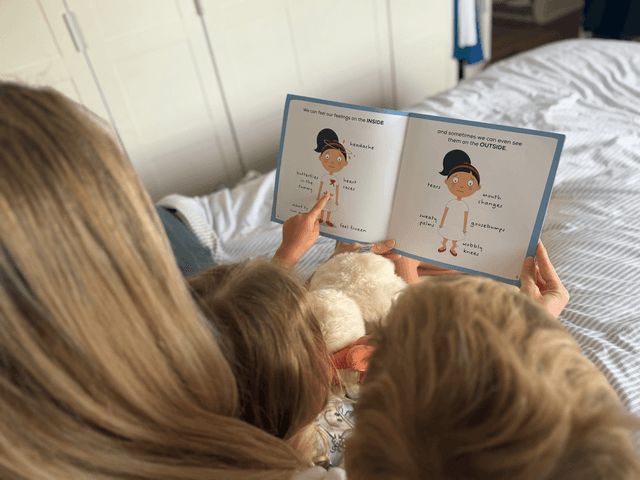
- Storytime from around the world,
- Orange day or cultural dress day,
- Food tasting experiences
- Maps and heritage exploration
Many early learning services draw on structured resources to support their Harmony Week activities.
The official Harmony Week early childhood resources provide practical ideas including diversity discussions, arts activities, music experiences and printable templates designed for young learners.
Educator support materials also offer reflection prompts and strategies for embedding cultural inclusion across daily practice rather than limiting learning to a single week.
Educational suppliers have also developed Harmony Week resource packs featuring multicultural music, world maps, bilingual books and inclusive craft materials.
These resources are particularly popular in long day care and kindergarten programs because they are ready to use while aligning closely with EYLF learning outcomes.
While Harmony Week often involves crafts, celebrations and special events, many services are increasingly using the week as a broader opportunity for reflection and engagement.
Across the sector, Harmony Week is commonly positioned as:
A curriculum opportunity
The week provides a natural context for exploring EYLF learning outcomes relating to identity, community and communication.
A family engagement moment
Services often invite families to share cultural stories, music, clothing or traditional foods.
These experiences help strengthen relationships between families and educators while celebrating diversity within the community.
An inclusion and governance checkpoint
Some providers also use Harmony Week as an opportunity to review cultural competence policies and inclusive practices across their services.
A community-building event
Morning teas, open days and cultural showcases are becoming more common, bringing families, educators and children together to celebrate diversity.
While Harmony Week provides an important focal point for celebrating diversity, many educators emphasise that inclusion should be embedded throughout the year.
Simple daily practices, greeting families in home languages, recognising cultural celebrations and including diverse stories and materials, can help ensure children consistently experience a sense of belonging.
For early learning services, Harmony Week serves as a reminder that respect, curiosity and inclusion begin in the earliest years of education.
Through play, storytelling and shared experiences, educators help children develop the social and emotional foundations needed to thrive in diverse communities.


Don’t miss a thing




Related Articles