Explorers Early Learning invests in educators through annual Italy study tours as sector grapples with retention challenges
 Article
As Australia’s early learning sector faces ongoing workforce shortages and high educator turnover, Melbourne-based Explorers Early Learning is doubling down on a strategy it says is key to both educator retention and stronger outcomes for children: investing deeply in its people.
Founded in 2004 by Lynda Salvo, the family-owned provider currently operates 21 centres across Melbourne, with four further centres set to open in the coming months. In that time, it has built a reputation for long-term educator retention in a sector where workforce instability remains a significant challenge. Many Explorers educators have been with the organisation for more than a decade – an uncommon achievement in the early childhood education sector.
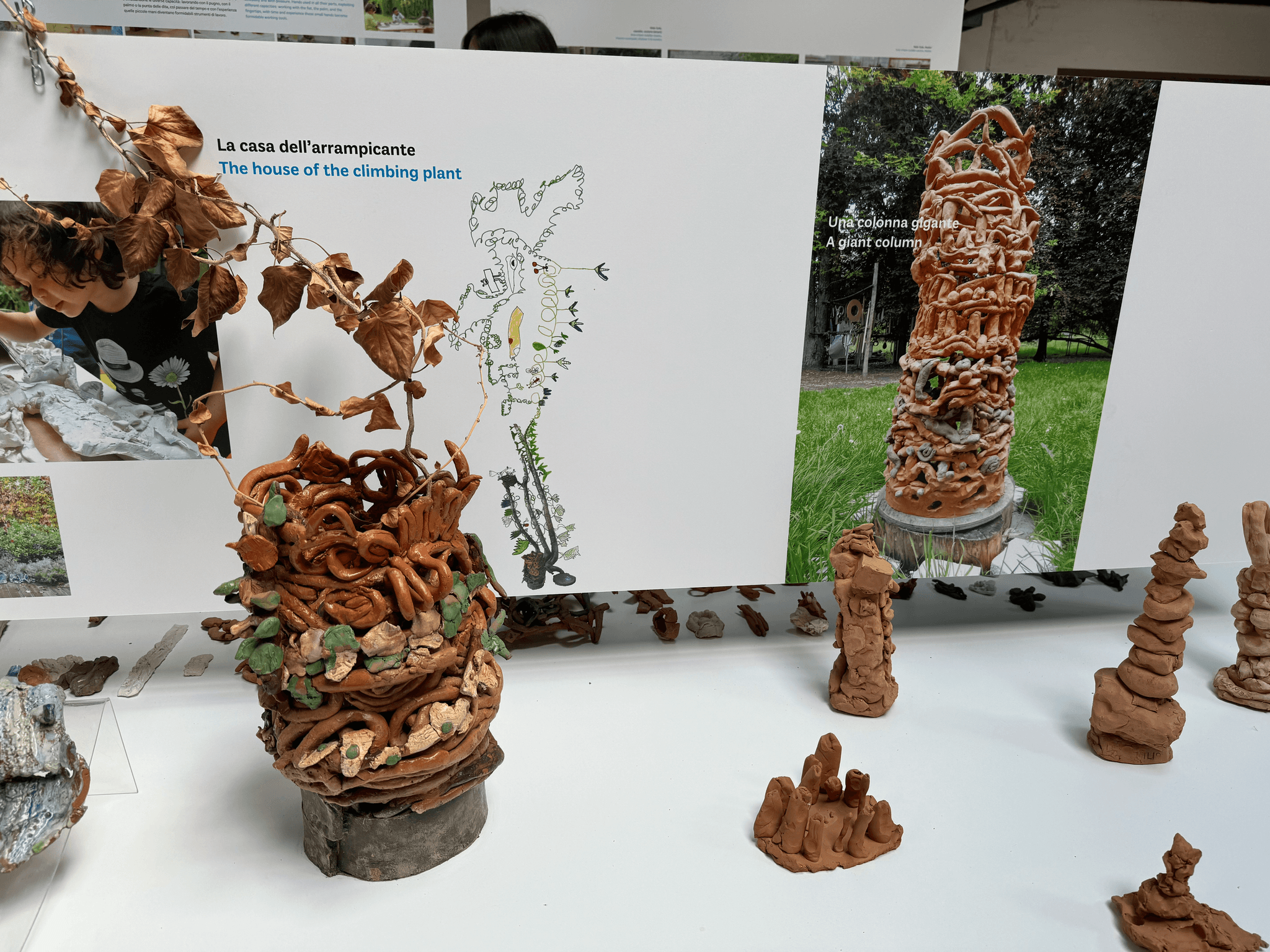
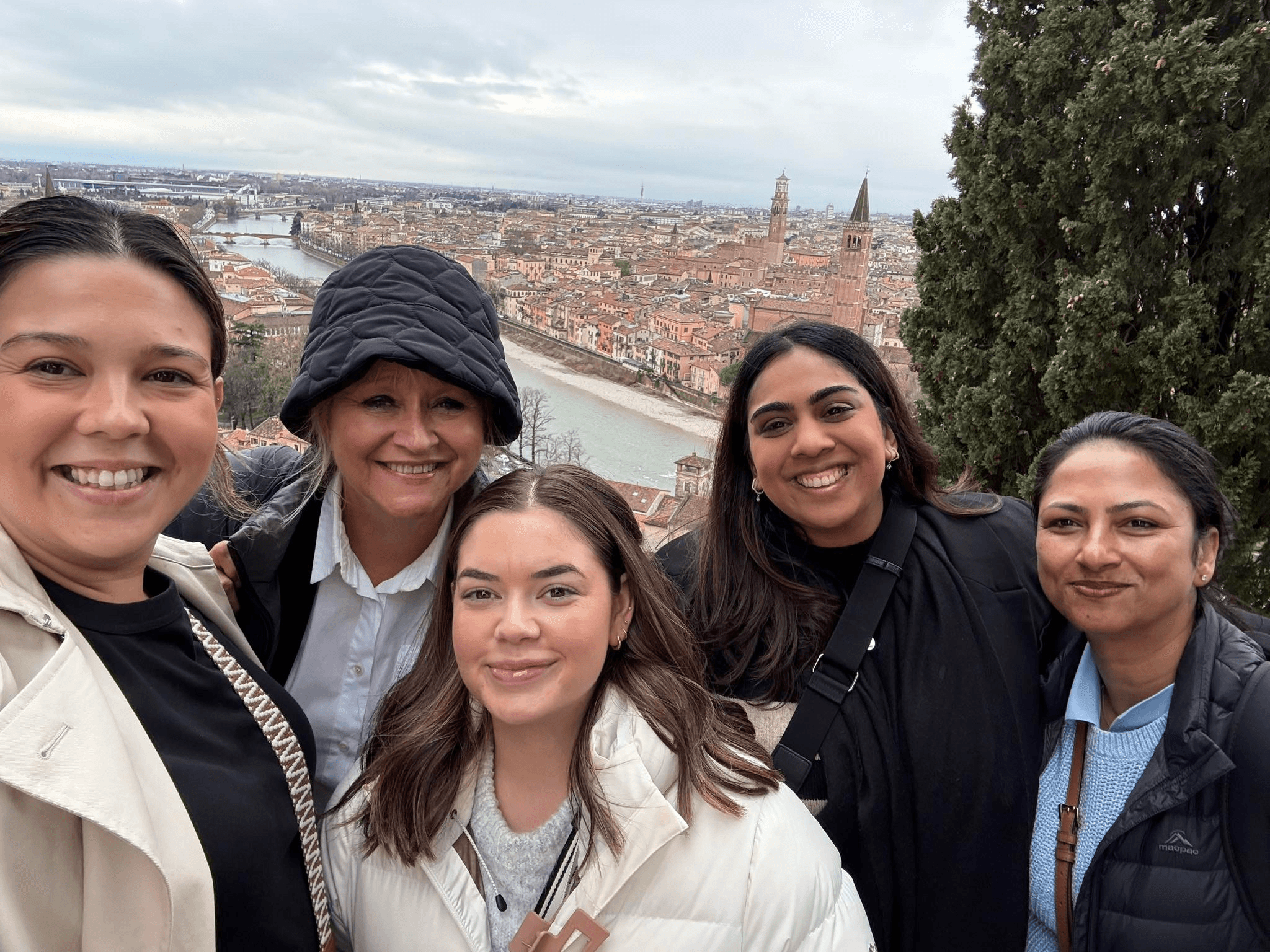
In May, more than 15 educators and leaders from Explorers will travel to Reggio Emilia for the company’s annual study tour immersion program, designed to deepen educators’ understanding of the globally recognised Reggio Emilia educational philosophy that underpins the Explorers approach.
The tours, which have been running since 2024, allow educators to visit schools and learning environments in the northern Italian city where the philosophy originated, engage directly with pedagogical leaders, and explore how creativity and community connection can be embedded into Australian early learning settings.
According to Salvo, the investment is about more than professional development.
“When educators feel valued, inspired and connected to a deeper purpose, they stay,” Salvo says. “These study tours are transformative because they reignite passion for teaching and give our teams the confidence and knowledge to continually evolve their practice.”
The initiative comes amid increased national discussion around educator wellbeing and continuity of care following recent reporting highlighting the impact stable educator relationships have on children’s emotional wellbeing, learning and development outcomes.
For many educators, the study tours have prompted a deeper reflection on children’s relationship with community and learning. One of the strongest takeaways from recent tours has been the idea that children are not separate from the community, but active citizens within it.
In Reggio Emilia, children are viewed as capable contributors to the cultural and social life of the town. This perspective has inspired Explorers teams to reconsider how children participate within their own local communities and how centres can create more authentic opportunities for connection, contribution and belonging.
That thinking has influenced the continued expansion and embedding of excursions, community engagement initiatives and Bush Kinder experiences across Explorers centres. Rather than viewing excursions as isolated events, educators have increasingly focused on how children can meaningfully participate in their local environments and build genuine connections with place, people and community.
At Explorers Armadale for example, educators have explored the concept of the ‘city as classroom’, taking children on walks through the local area and extending this learning into live painting experiences within the community. Families have also been invited to participate alongside children and educators, creating opportunities for shared learning and stronger community connection.
Similarly, at Explorers Greenvale, educators have expanded opportunities for children to engage with the wider community through excursions into the city and surrounding environments, supporting children to develop a stronger sense of belonging and connection to the world around them.


Don’t miss a thing




Related Articles