Help is on the Way
 Article
How learning alongside children became a possible implementation pathway for Australia's climate future.
I didn't set out to write a climate strategy.
Ten years ago, I was simply trying to create something wonderful for children to play with them as co-creators.
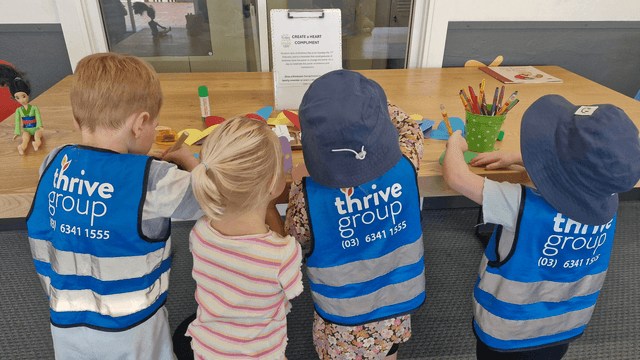
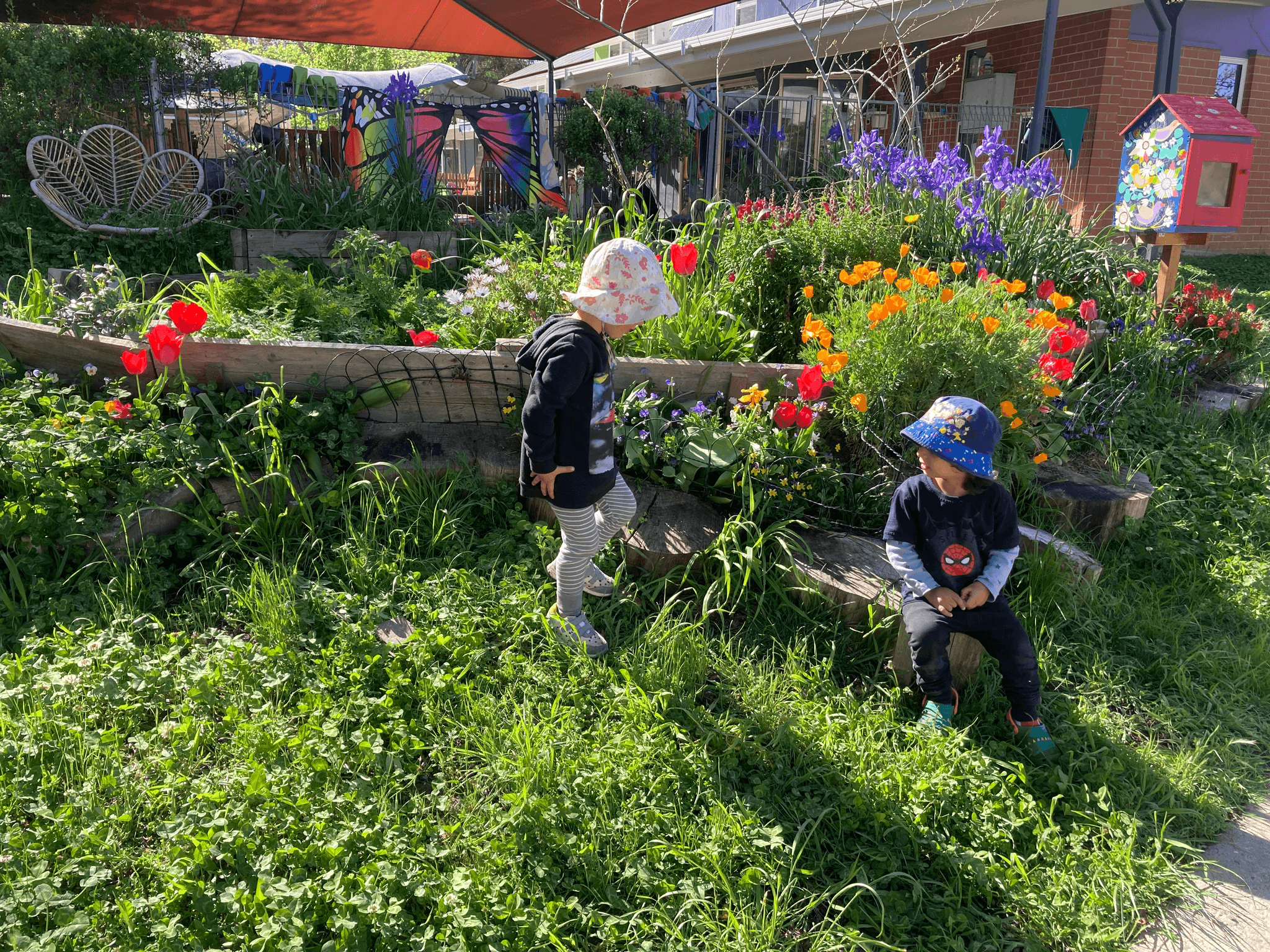
At Woden Valley Early Learning Centre in Canberra, we transformed our outdoor environments with children over 10 years. Together we planted food gardens, cared for chickens and ducks, built habitats, watched the seasons change and solved the everyday problems that come with caring for living things.
At first, I thought I was helping children connect with nature.
Looking back, I realise they were teaching me what they were capable of.
Every day they demonstrated capabilities that astounded me. I watched children negotiate moving hay bales, working together towards a common goal. They didn’t destroy the gardens we created together, they made them better for the next generation.
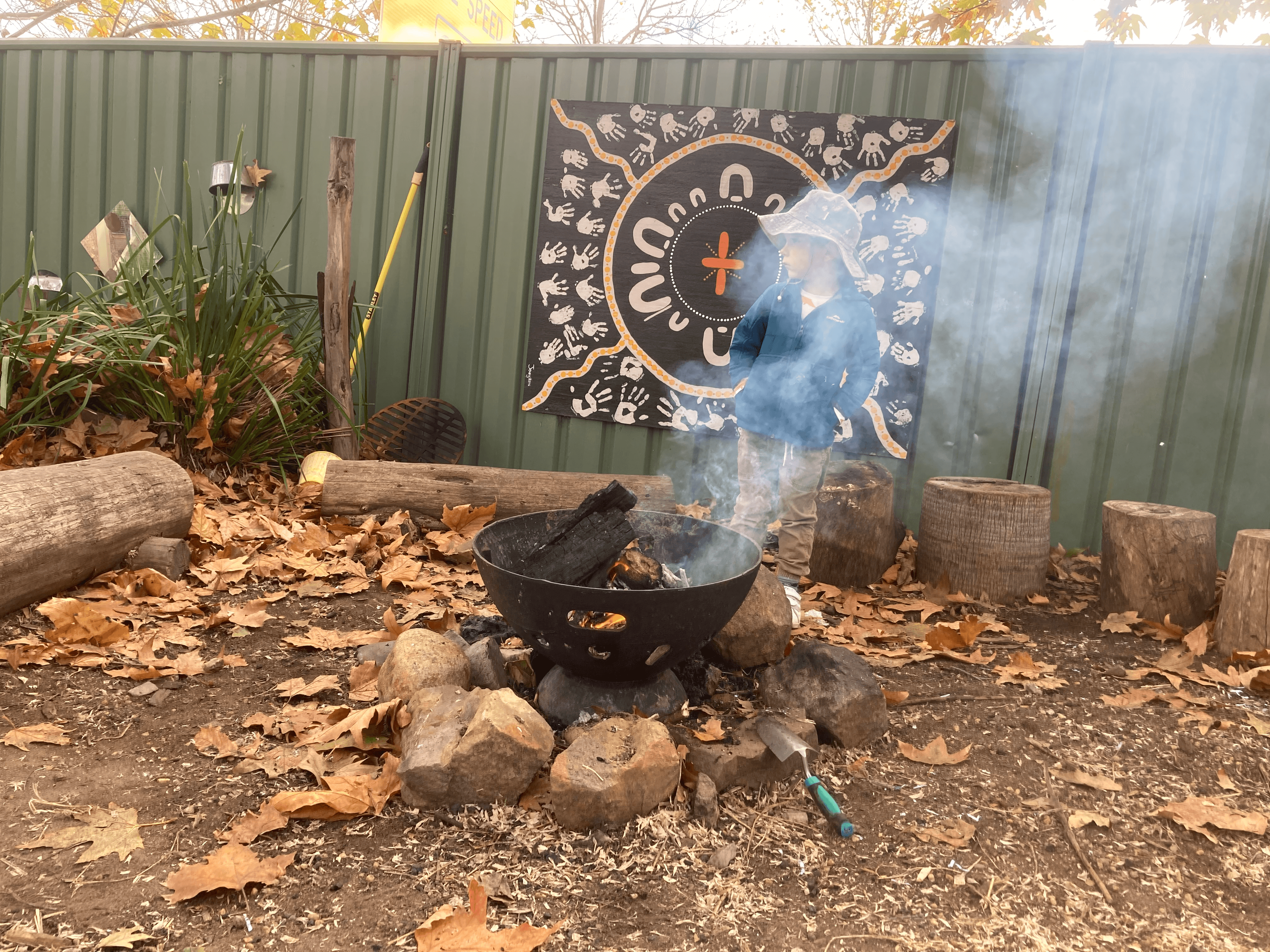
I saw them persist when something didn't work the first time. I saw them share knowledge about how to take responsibility for living things, I saw children unable to focus indoors become leaders in responding to environmental events.
It made me realise something profound.
Nature wasn't simply where children learned about the world. It was where they learned how to participate in it.
So I started asking a different question:
What if every Australian child had opportunities like these?
I often joke that I gave up Candy Crush to answer this question. What I really gave up was the idea that this was 'just' one beautiful early learning service.
Instead, I started investigating.
I met with researchers, educators, children's commissioners, universities, government departments, environmental organisations, peak bodies and anyone else who cared about children's futures.
Every conversation added another piece to the puzzle.
The research already existed. Brilliant people like Dr Sue Elliott, Dr Fran Hughes, and many others have spent decades building the evidence for education for sustainability.
UNICEF was talking about children's wellbeing. Researchers were deepening our understanding of child development. Policy makers were thinking about resilience.
Everyone seemed to be holding part of the answer.
What seemed to be missing was a practical way to bring those pieces together.
Then Australia released its first National Climate Risk Assessment 15 September 2025
I remember reading it and feeling like a first responder.
Because I don't just help keep children safe today.
I'm looking out for their grown-up selves.
What capabilities will they need? What dispositions will help them respond to uncertainty? What is Country sharing with us today that children need the opportunity to experience for themselves?
That was the moment everything connected.
The work we'd been doing with children wasn't simply good early childhood practice.
It was climate adaptation skill building.
Not because we were talking to children about climate change every day.
But because we were helping them become the kind of people who can respond to change because they have built ecological literacy through experience.
That's why I created the Early Years Climate Strategy.
Not because Australia needed another strategy.
Because I believed Australia needed an implementation pathway.
One built from practice.
One that could be tested.
Strengthened.
Shared.
Recent conversations have given me enormous hope.
UNICEF Australia's State of Australia's Children reminds us that children's wellbeing depends on coordinated action across health, education, communities and equity.
ARACY's recent discussion on building climate-resilient early childhood education reinforces the same message.
International conversations about National Adaptation Plans are identifying common implementation priorities including child participation, cross-portfolio coordination, workforce capability and evidence-informed implementation.
For the first time, it feels as though all of these conversations are beginning to meet.
Perhaps that's because the question is changing.
Instead of asking, 'How do we prepare children for school?'
We're beginning to ask, 'How do we prepare children to participate in Australia's future in a changing world?'
I believe the answer begins much earlier than most people think.
It begins in the first five years of life.
It begins in nature, caring for Country on Country.
It begins in relationships.
It begins by trusting children with meaningful experiences that develop the capabilities, dispositions and confidence they'll carry into adulthood.
On 12 August, I'll be sharing this work through an AAEE Learning Circle. I'd love educators, researchers, policymakers and anyone interested in children's futures to join the conversation. Learning Circle: Children Need Nature. Making Children’s Access to Nature Visible in Early Learning
The Early Years Climate Strategy has never been about having all the answers.
It's about building the implementation pathway together.
If you'd like to explore the proposal in more detail, I've created a public Early Years Climate Strategy Reader's Guide, which explains the thinking, evidence and practical implementation pathway behind the Strategy. The Early Years Climate Strategy
Because if Australia has recognised climate adaptation as a national priority...
...I believe what we discovered at Woden Valley Early Learning Centre may help share the message -that help is on the way with this complex but important issue.
Author
Gabby Millgate


Don’t miss a thing




Related Articles