Childcare leader ‘All In’ on reconciliation through early childhood education
 Article
Queensland Childcare Services (QCCS) is using National Reconciliation Week 2026 to go all in on its commitment to embedding reconciliation into everyday early childhood education.
The 2026 theme ‘All In’ is National Reconciliation Week’s call-to-action, encouraging Australians to actively contribute to reconciliation and help build a more equitable future, with QCCS centres delivering initiatives designed to foster cultural understanding and meaningful connections.
QCCS General Manager Laura Faalili said early learning environments played a critical role in shaping children’s understanding of Aboriginal and Torres Strait Islander histories, cultures and perspectives.
“At QCCS, we are committed to creating environments where Aboriginal and Torres Strait Islander perspectives are embedded into everyday learning experiences, not just explored during special occasions,” Ms Faalili said.
“Reconciliation starts with education, and early childhood is one of the most important stages for nurturing inclusion and positive attitudes that support children to value diversity and belonging.
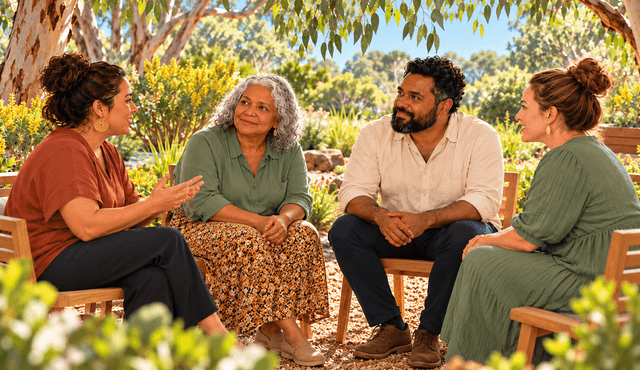
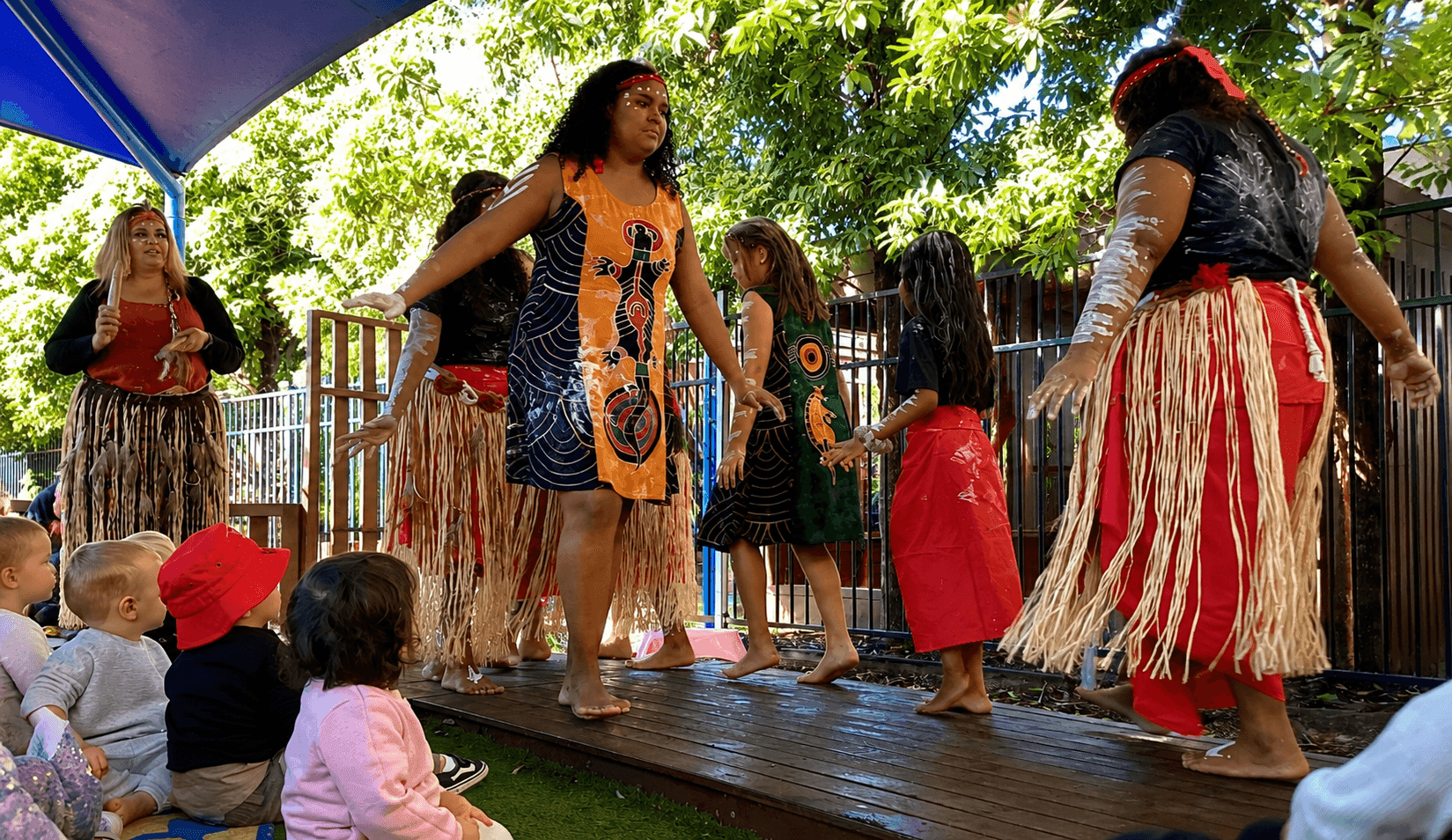
Throughout National Reconciliation Week, QCCS centres will create meaningful opportunities for children to engage in reconciliation-focused activities, including storytelling, yarning circles, music, art experiences and nature-based learning activities aimed at helping children to engage with First Nations cultures in meaningful ways that foster respect and a deeper appreciation of First Nations ways of knowing, being and doing.
QCCS Woodlands Early Education Centre Director Nicole Churchward said their children would be engaging with Aboriginal and Torres Strait Islander stories including Tiddalik the Frog and The Rainbow Serpent, to further encourage conversations around community and connection to country.
“Our educators have been critically reflecting on the learning experiences and practices we offer to ensure Aboriginal and Torres Strait Islander perspectives are embedded authentically and respectfully,” Ms Churchward said.
“These experiences encourage children to become more curious and engaged in conversations about culture and community.”
Through their individual Reconciliation Action Plans, QCCS services are guided in building respectful relationships within their local communities while helping educators to genuinely engage and children learn about inclusion and cultural understanding.
“We believe respectful engagement with Elders and local Indigenous communities is essential in helping children develop cultural awareness, empathy and a sense of shared responsibility,” Ms Faalili said.
“By providing age-appropriate learning activities, we are able to strengthen our commitment to ensuring inclusive welcoming spaces and help children develop an appreciation for Australia’s rich cultural history.”
To find out more about QCCS values and commitment to learning, visit the QCCS website.


Don’t miss a thing




Related Articles