



Childcare costs rise 9 per cent as inflation pressures continue to challenge providers
 Article
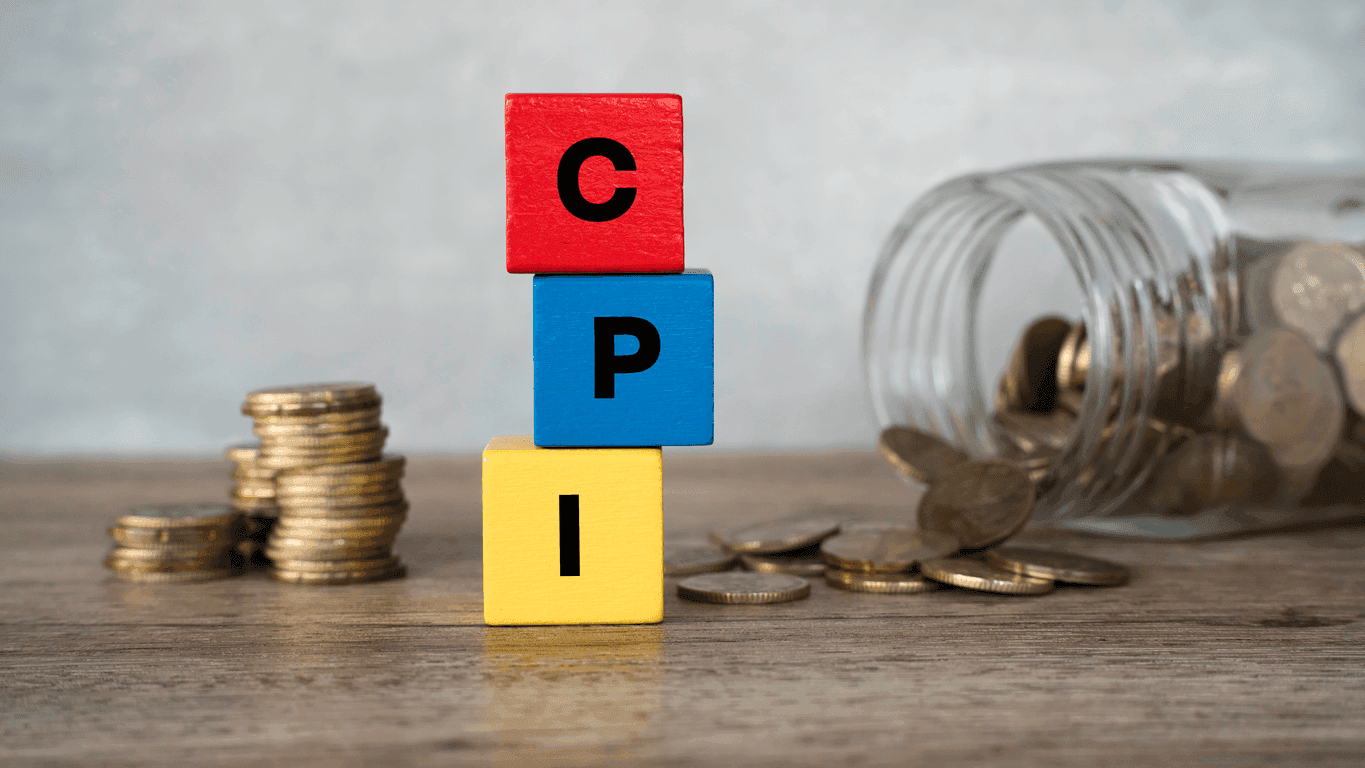
Childcare costs increased by 9.0 per cent in the year to April 2026, according to the latest Australian Bureau of Statistics (ABS) data, placing continued pressure on early childhood education and care (ECEC) providers as operating expenses outpace broader inflation.
The latest Consumer Price Index (CPI) figures show childcare costs rose at more than double the national inflation rate of 4.2 per cent, highlighting the ongoing financial challenges facing approved providers and service operators.
For the ECEC sector, these index movements are more than economic indicators. They influence fee-setting decisions, workforce planning, Child Care Subsidy (CCS) outcomes and long-term service sustainability.
According to the ABS Consumer Price Index, Australia, April 2026 release, childcare costs increased by 9.0 per cent over the previous 12 months, compared with annual inflation of 4.2 per cent across the broader economy.
The data highlights the ongoing cost pressures facing providers, including rising labour costs, food expenses, utilities, insurance and compliance obligations.
While recent government policy measures have reduced out-of-pocket costs for many families, the underlying cost of delivering early childhood education and care continues to increase.
Why the index matters
The childcare CPI measures changes in childcare fees before government subsidies are applied.
Movements in this index can influence:
- CCS hourly rate cap adjustments
- CCS income threshold indexation
- provider fee-setting decisions
- workforce and wage budgeting
- service profitability and sustainability
A key challenge for many providers is that government indexation mechanisms do not always reflect the full extent of cost increases experienced by services.
Childcare inflation snapshot
| Index measure | Reported figure | Potential implications for providers |
|---|---|---|
| Annual childcare CPI (to April 2026) | 9.0 per cent | Continued upward pressure on operating costs |
| Annual education CPI (to April 2026) | 4.8 per cent | Education-related costs continue to rise |
| Overall CPI (to April 2026) | 4.2 per cent | Childcare inflation remains more than double the national inflation rate |
| Basis for July 2026 CCS indexation* | 3.8 per cent | CCS rate cap growth may remain below sector cost growth |
*Based on the December 2025 CPI figure used for annual CCS indexation.
Implications for providers
Fee-setting decisions remain under scrutiny
Many providers continue to review fee structures in response to increasing operating costs.
With childcare costs rising 9.0 per cent over the year, services are increasingly balancing affordability considerations with the need to maintain sustainable operations while continuing to deliver high-quality education and care.
CCS caps may not reflect actual cost growth
The Australian Government indexes CCS hourly rate caps annually. Current rates for Centre Based Day Care, Family Day Care and In Home Care increased from July 2025, with further indexation expected from July 2026.
However, where childcare costs rise more quickly than CCS hourly rate caps, services may face increasing pressure on margins.
In some cases, particularly in metropolitan and high-demand markets, fees may approach or exceed CCS cap levels, increasing the gap between the subsidy received and the actual cost of care.
Workforce costs remain the largest expense
Labour continues to represent the largest proportion of operating expenditure for most services, often accounting for between 65 and 75 per cent of total costs.
Ongoing educator shortages, award wage increases and increased competition for qualified staff are expected to maintain upward pressure on workforce costs throughout 2026 and beyond.
Demand patterns may continue to evolve
The Federal Government's Three Day Guarantee, which commenced on 5 January 2026, provides eligible families with access to 72 hours of subsidised care per fortnight regardless of activity levels.
The policy is expected to influence enrolment patterns and attendance behaviour across the sector.
Some services are reporting increased demand for additional booking days and changes to occupancy patterns, creating both opportunities and operational challenges.
Strategic considerations for providers
As cost pressures persist, providers may wish to consider:
- reviewing fee structures and budget assumptions for 2026–27
- assessing exposure to CCS hourly rate cap limitations
- updating workforce and remuneration forecasts
- strengthening communication with families regarding fee changes
- monitoring occupancy and utilisation trends
- evaluating operational efficiencies without compromising quality outcomes
Looking ahead
The latest ABS data highlights a significant gap between the rate at which childcare costs are increasing and the broader inflation environment.
For providers, maintaining financial sustainability will require careful planning, evidence-based decision making and ongoing engagement with families and staff.
As the operating environment continues to evolve, services that proactively review pricing, workforce strategies and business performance are likely to be better positioned to manage future cost pressures while continuing to deliver high-quality outcomes for children.
Sources
Australian Bureau of Statistics, Consumer Price Index, Australia – April 2026
www.abs.gov.au/statistics/economy/price-indexes-and-inflation/consumer-price-index-australia/latest-releaseAustralian Government Department of Education, Child Care Subsidy
www.education.gov.au/early-childhood/providers/child-care-subsidyAustralian Government Department of Education, Three Day Guarantee
www.education.gov.au/early-childhood/providers/child-care-subsidy/3-day-guaranteeServices Australia, Child Care Subsidy hourly rate caps
www.servicesaustralia.gov.auParliament of Australia, Early Childhood Education and Care (Three Day Guarantee) Bill 2025
www.aph.gov.au


Don’t miss a thing



Related Articles