Play-based learning and intentionality: what AERO’s guidance means for early childhood practice
 Article
Play has always been central to early childhood education, but new guidance from the Australian Education Research Organisation (AERO) is sharpening the sector’s focus on what makes play-based learning most effective: intentionality.
AERO’s Play-based learning and intentionality resource collection brings together contemporary evidence and practical guidance to support early childhood educators to strengthen their pedagogy, align practice with the Early Years Learning Framework (EYLF V2.0), and meet expectations under the National Quality Standard (NQS).
At its core, the guidance reinforces a clear message for the sector: play matters deeply, but play alone is not enough. It is the educator’s intentionality, their ability to notice, respond, extend and scaffold learning, that helps transform play into rich, meaningful learning.
Intentionality makes the difference
AERO’s research highlights that effective play-based learning depends on educators making active and purposeful decisions about how to support children’s learning, development and wellbeing.
Intentionality is not about taking over children’s play or turning every interaction into a formal teaching moment. Instead, it involves educators thoughtfully engaging with children’s ideas, interests and questions, drawing on their professional knowledge to decide when to observe, when to join in, when to ask a question and when to extend the learning further.
This requires educators to balance child-led exploration with responsive and deliberate teaching. Children remain active agents in their learning, while educators use their knowledge of child development, curriculum, relationships and context to deepen thinking and support new understandings.
Why intentional play-based learning matters
According to AERO, intentional educators play a critical role in maximising children’s learning and development outcomes.
When educators participate purposefully and responsively in play, they help children build language, problem-solving skills, confidence, curiosity and social understanding. Intentional interactions can also support children to make connections, test ideas, persist with challenges and engage more deeply with the world around them.
The guidance also recognises that educator beliefs, attitudes and knowledge influence the quality of play-based learning. How educators understand children, learning, culture, relationships and curriculum shapes the decisions they make every day.
For services, this means intentionality cannot be reduced to a single strategy or checklist. It must be embedded in curriculum decision-making, reflective practice, team conversations and the design of learning environments.
What it looks like in practice
AERO’s practice resources outline three important ideas for educators to hold together.
First, play is child-led. Children’s ideas, interests, abilities and curiosity should remain central to the experience.
Second, play is a powerful learning process. Through play, children bring together emotion, motivation, imagination, thinking and agency, supporting holistic development and strengthening brain function.
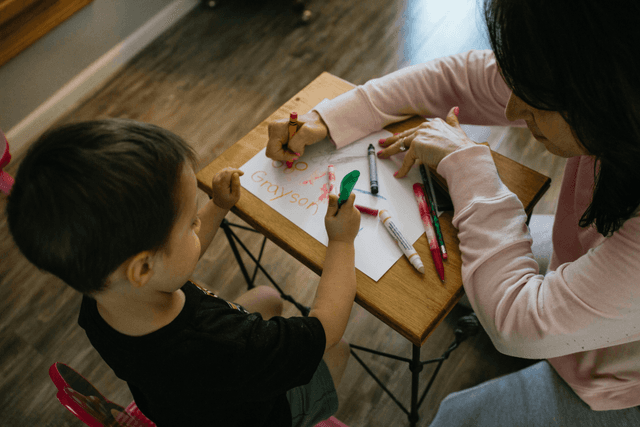
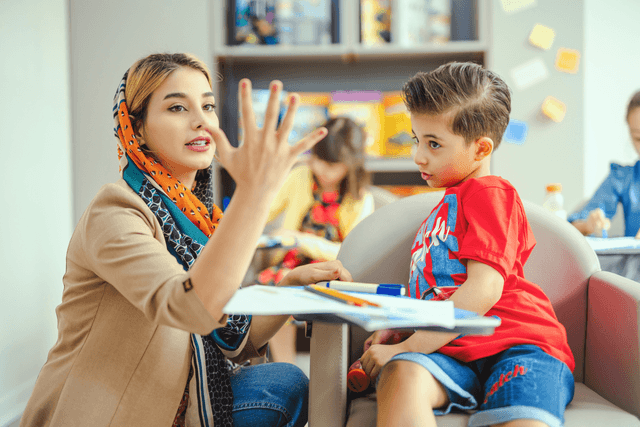
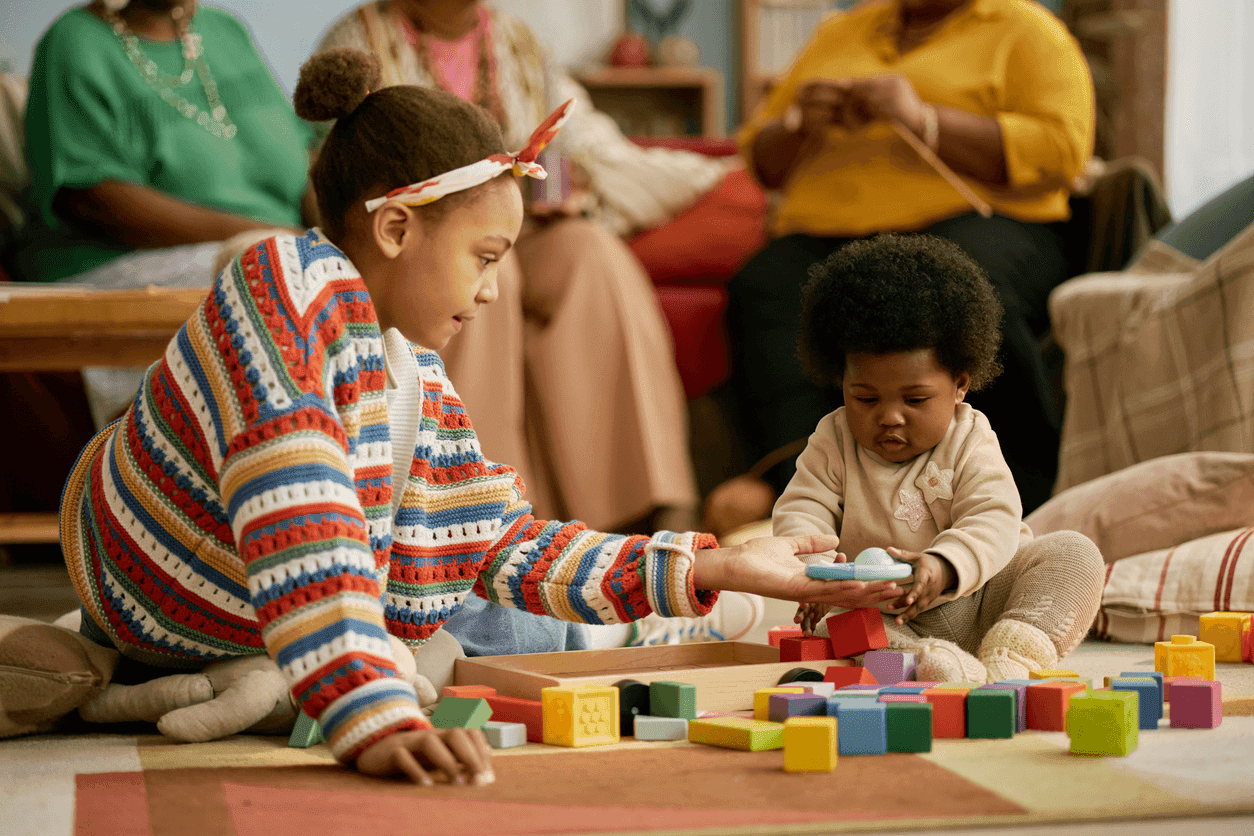
Third, educators participate thoughtfully. This may involve asking open-ended questions, modelling language or thinking, introducing new vocabulary, providing resources, scaffolding a challenge, or helping children reflect on what they are discovering.
The strongest practice occurs when educators are neither passive observers nor overly directive. Instead, they are attuned, responsive and purposeful, knowing when to step in and when to step back.
Connecting to the EYLF V2.0 and NQS
The resource collection is closely aligned with EYLF V2.0, particularly the practice of play-based learning and intentionality.
It also supports services to reflect on key aspects of the NQS, including Quality Area 1: Educational program and practice, Element 1.2.1: Intentional teaching and Element 1.2.2: Responsive teaching and scaffolding.
The guidance also has clear links to Quality Area 5, which focuses on relationships with children, and Quality Area 6, which highlights collaborative partnerships with families and communities.
This alignment is important because it positions intentionality not as an additional task, but as a core part of high-quality curriculum practice.
What the resource collection includes
AERO’s Play-based learning and intentionality collection includes an introductory guide and eight practice resources aligned with the EYLF V2.0 Principles.
The resources explore themes including secure, respectful and reciprocal relationships, partnerships, respect for diversity, Aboriginal and Torres Strait Islander perspectives, equity and inclusion, sustainability, critical reflection and collaborative leadership.
The collection also links to complementary AERO tools, including early childhood learning trajectories, evidence-based practice guides and assessment for learning resources.
Together, these materials are designed to support educators, educational leaders and service leaders to strengthen shared understandings of intentional play-based learning and translate evidence into everyday practice.
What this means for services
For early childhood services, AERO’s guidance provides a timely opportunity to revisit how play-based learning is understood, planned for and documented.
It invites teams to ask deeper questions: How do we know when learning is being extended? Are educators confident in using a range of intentional teaching strategies? Do our environments invite curiosity and exploration? How do we ensure children’s voices, cultures and interests shape the curriculum? How do we support educators to reflect on their decisions, rather than simply describe what happened?
These questions are particularly important as services continue to embed EYLF V2.0 and demonstrate how their programs support each child’s learning, development and wellbeing.
Play remains at the heart of early childhood education, but intentionality is what gives play-based learning depth, direction and impact.
AERO’s latest resource collection provides the sector with clear, evidence-informed guidance to help educators move beyond the idea that play and teaching sit in opposition. Instead, it reinforces that the most effective early childhood practice brings them together.
When educators are intentional, responsive and reflective, play becomes more than an activity. It becomes a powerful pathway for learning.
Access the AERO’s Play-based learning and intentionality here.


Don’t miss a thing




Related Articles