AERO guidance highlights role of relationships in assessment for learning
 Article
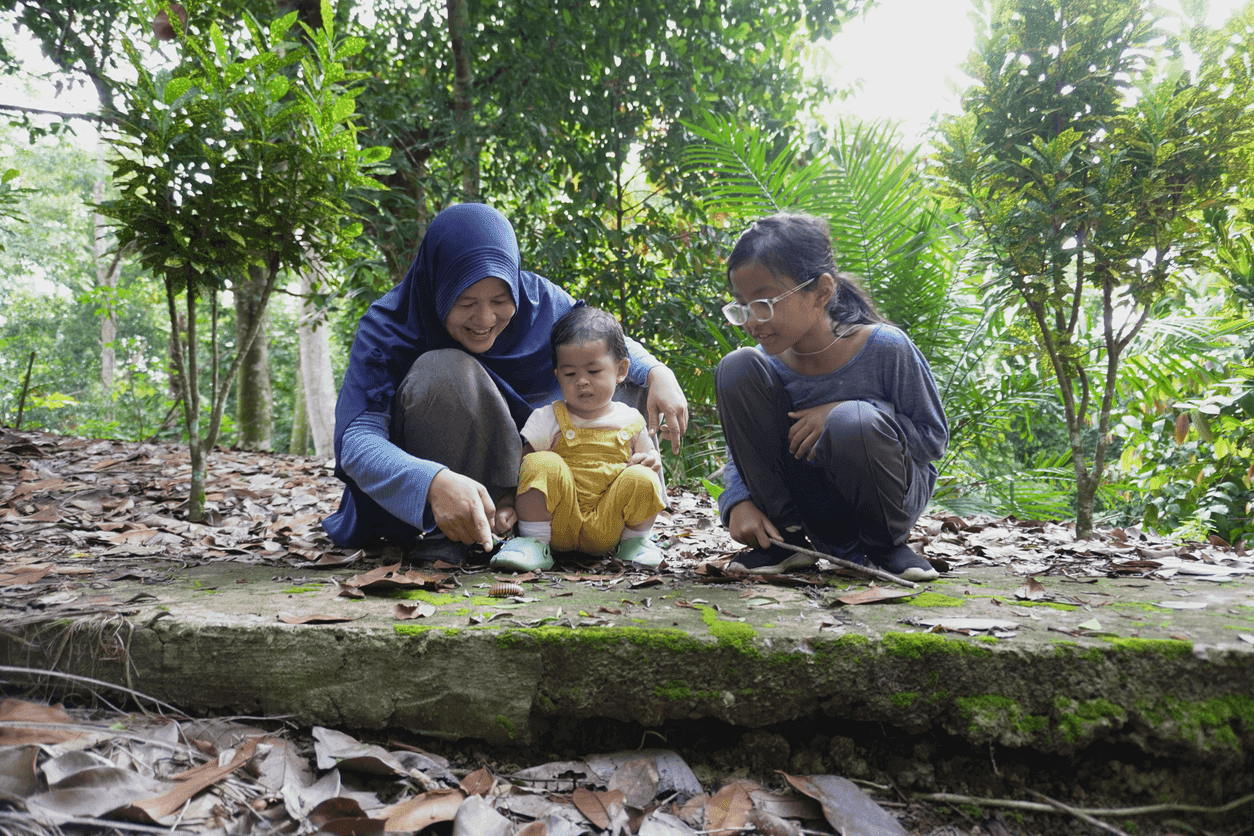
Secure, respectful and reciprocal relationships sit at the heart of high quality early childhood education and care, according to updated guidance from the Australian Education Research Organisation (AERO).
The practice resource, Secure, respectful and reciprocal relationships: Assessment for children’s learning, forms part of AERO’s broader series on assessment for children’s learning. The series is aligned with the principles of the Early Years Learning Framework V2.0.
AERO notes that authentic relationships are central to effective early childhood pedagogy, and that assessment should place relationships at the centre of the process.
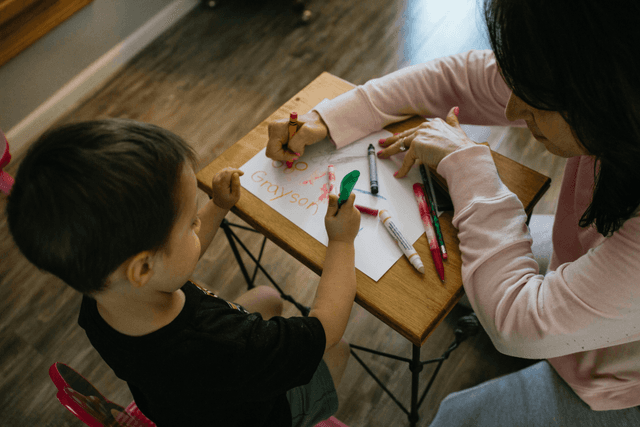
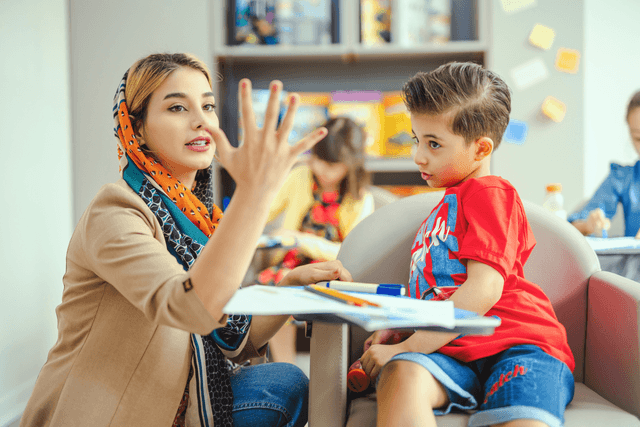
Rather than treating assessment as a separate task, the guidance encourages educators to embed assessment in everyday interactions, routines and play-based learning. This allows educators to remain present with children, notice learning as it occurs and interpret progress within the context of each child’s experiences.
The resource outlines several strategies to support relationship-centred assessment, including using assessment methods that sit naturally within play, creating culturally safe learning environments and engaging in ongoing conversations with children and families about how evidence of learning is collected and understood.
AERO also encourages educators to make assessment meaningful, playful, collaborative and culturally responsive. This includes using visual documentation, collaborative discussion and reflection to help children actively participate in assessment and recognise their own learning.
The guidance asks educators to consider how each child experiences assessment, noting that factors such as language, stress and cultural positioning can influence how children demonstrate learning and development.
For early childhood education and care services, the resource provides a useful prompt for professional reflection, particularly in relation to documentation, children’s agency and family partnerships.
It also reinforces the importance of assessment practices that support children’s learning, development and wellbeing while maintaining a strong focus on relationships.
AERO’s Secure, respectful and reciprocal relationships resource is available on its website here.


Don’t miss a thing




Related Articles