Allies and friends: embedding everyday allyship in early learning practice

 Article
Early childhood education and care plays a critical role in shaping how children understand themselves, others and the world around them. The Allies and Friends Early Childhood Education Toolkit, developed by ABC Kids, provides a practical, evidence-informed resource to support educators to embed inclusion, cultural responsiveness and allyship into everyday practice.
Drawing on a suite of short episodes, educator articles and reflective materials, the toolkit supports services to strengthen belonging and respect across learning environments. It aligns with the principles of the Early Years Learning Framework and the National Quality Standard, particularly in relation to identity, relationships and inclusive practice.
This article explores the key themes of the toolkit and how they can be applied in early learning settings to support children’s developing understanding of allyship, communication, community, diversity and love.
The toolkit is structured around five short episodes, each centred on a core concept: allyship, communication, community, diversity and love. These concepts are intentionally broad, allowing educators to embed them across play-based learning, routines and intentional teaching.
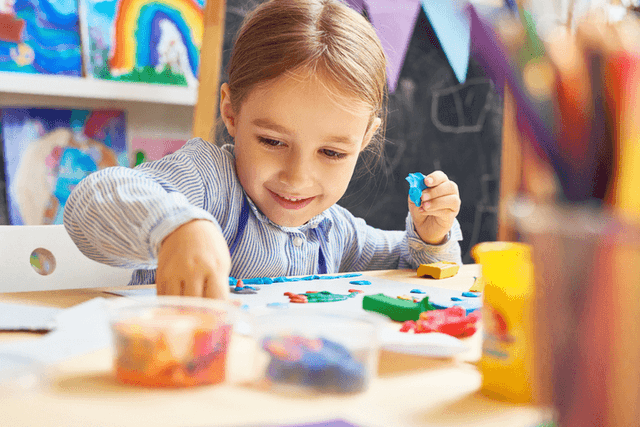
Each episode shows children engaging in hands-on experiences such as music, sensory exploration, woodworking, cooking and creative arts. These experiences demonstrate that allyship is not abstract, it is practised through everyday interactions, relationships and decision-making.
The overarching message is clear: children are capable of empathy, fairness and connection, and these capabilities can be strengthened through responsive, intentional pedagogy.
The concept of allyship is introduced through practical, child-led experiences such as creating a ‘kindness club’. Children explore what it means to support others, stand up against exclusion and contribute to a safe and respectful environment.
This provides a strong foundation for educators to:
- co-construct group agreements that reflect fairness and respect
- embed empathy and inclusion into everyday interactions
- support children to recognise and respond to exclusion or unfairness
The accompanying educator resource emphasises that allyship is active and relational, requiring ongoing reflection on how environments, interactions and expectations support equitable participation.
Communication is explored as a multifaceted process that extends beyond spoken language. Through collaborative and sensory experiences, children experiment with different ways of expressing ideas and understanding others.
This aligns with Outcome 5 of the Early Years Learning Framework and supports educators to:
- recognise and value diverse communication styles
- respond to cultural and linguistic diversity in meaningful ways
- create environments where all forms of expression are respected
The toolkit reinforces that communication is central to building relationships and fostering inclusion.
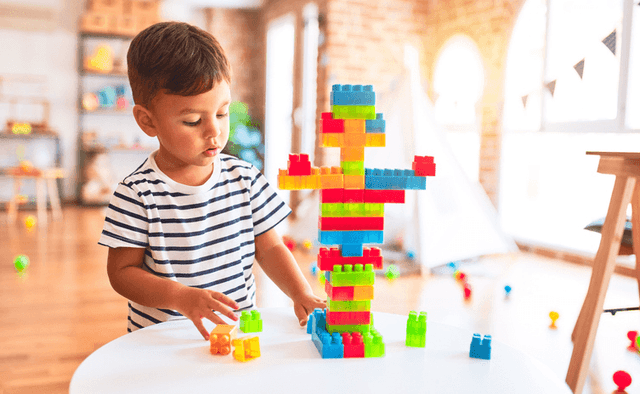
The concept of community is explored through collaborative projects that highlight shared responsibility and contribution. Children engage in experiences that demonstrate how collective effort benefits everyone.
Educators can extend this learning by:
- involving children in collaborative decision-making and projects
- building authentic partnerships with families
- acknowledging the role of community in children’s learning and development
This reflects Quality Area 6 of the National Quality Standard, which emphasises collaborative partnerships with families and communities.
Diversity is positioned as a natural and valuable aspect of human experience. Through discussions, shared meals and exploration of identity, children are supported to recognise and celebrate differences.
The toolkit encourages educators to move beyond tokenistic approaches and embed diversity in authentic, meaningful ways. This includes:
- incorporating diverse perspectives into everyday learning
- supporting children to explore identity in safe and respectful ways
- using accurate, developmentally appropriate language when discussing difference
A supporting resource explaining melanin provides a clear, accessible way to explore physical differences with children.
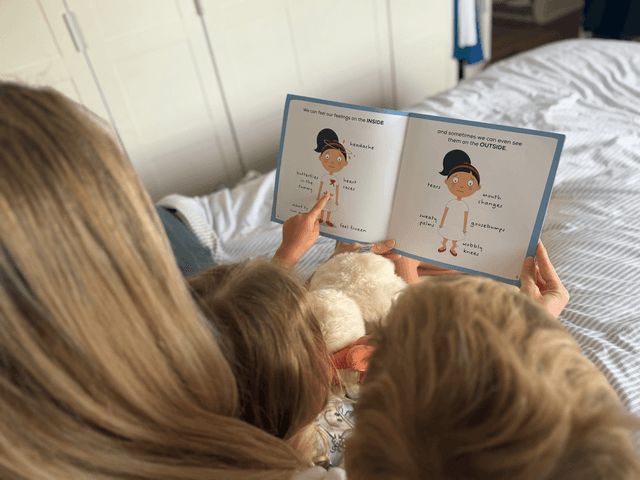
The final theme focuses on love, including self-love and emotional awareness. Through creative expression and reflection, children explore what makes them unique and how they feel about themselves.
This supports:
- identity development and a strong sense of self (EYLF Outcome 1)
- emotional literacy and wellbeing (Quality Area 2)
- resilience and positive self-concept
Educators are encouraged to create environments where children feel seen, valued and respected.
A key strength of the toolkit is its emphasis on reflection. Video prompts invite children to share their thoughts and ideas, supporting deeper thinking and meaning-making.
These resources can be used to:
- facilitate group discussions
- document children’s perspectives for planning cycles
- support critical reflection within educator teams
Reflection is positioned as an ongoing, embedded practice that informs both teaching and learning.
The flexibility of the toolkit allows it to be integrated in multiple ways:
- Programming and planning: Incorporate episodes into intentional teaching and inquiry-based learning
- Group learning: Use videos and prompts to guide discussions
- Family engagement: Share resources to build shared understanding of inclusion and allyship
- Professional learning: Use educator articles to support reflective practice and quality improvement
- Cultural inclusion: Apply inclusive principles to strengthen culturally responsive practice
This adaptability supports services to tailor the resource to their context while maintaining a consistent focus on inclusion and belonging.
The release of the toolkit reflects a growing sector focus on cultural safety, equity and inclusive practice. It provides a practical pathway for services to move beyond compliance and towards deeply embedded, relationship-based approaches.
By grounding complex concepts in everyday experiences, the toolkit supports educators to foster empathy, respect and curiosity from an early age. These dispositions are critical not only for individual development but for building inclusive learning communities.
Access the toolkit via the ABC Kids website.


Don’t miss a thing




Related Articles