Firefighters called to ECEC service after child gets stuck in tambourine during play
 Article
A child at Busy Bees Lara required assistance from emergency services after a tambourine became stuck during play, highlighting the importance of active supervision, thoughtful resource selection and effective incident response procedures in early childhood education and care (ECEC) environments.
According to reporting by the Geelong Advertiser, the child placed their head through the centre opening of the instrument and was unable to remove it. Educators attempted to safely remove the tambourine before contacting emergency services for assistance.
Firefighters attended the service and used side cutters to carefully dismantle the instrument and free the child. The child was reportedly calm throughout the process and was not injured.
While unusual, the incident provides an opportunity for ECEC services to reflect on how everyday learning resources are selected, supervised and reviewed to support both children’s safety and meaningful learning experiences.
Balancing safety and rich learning experiences
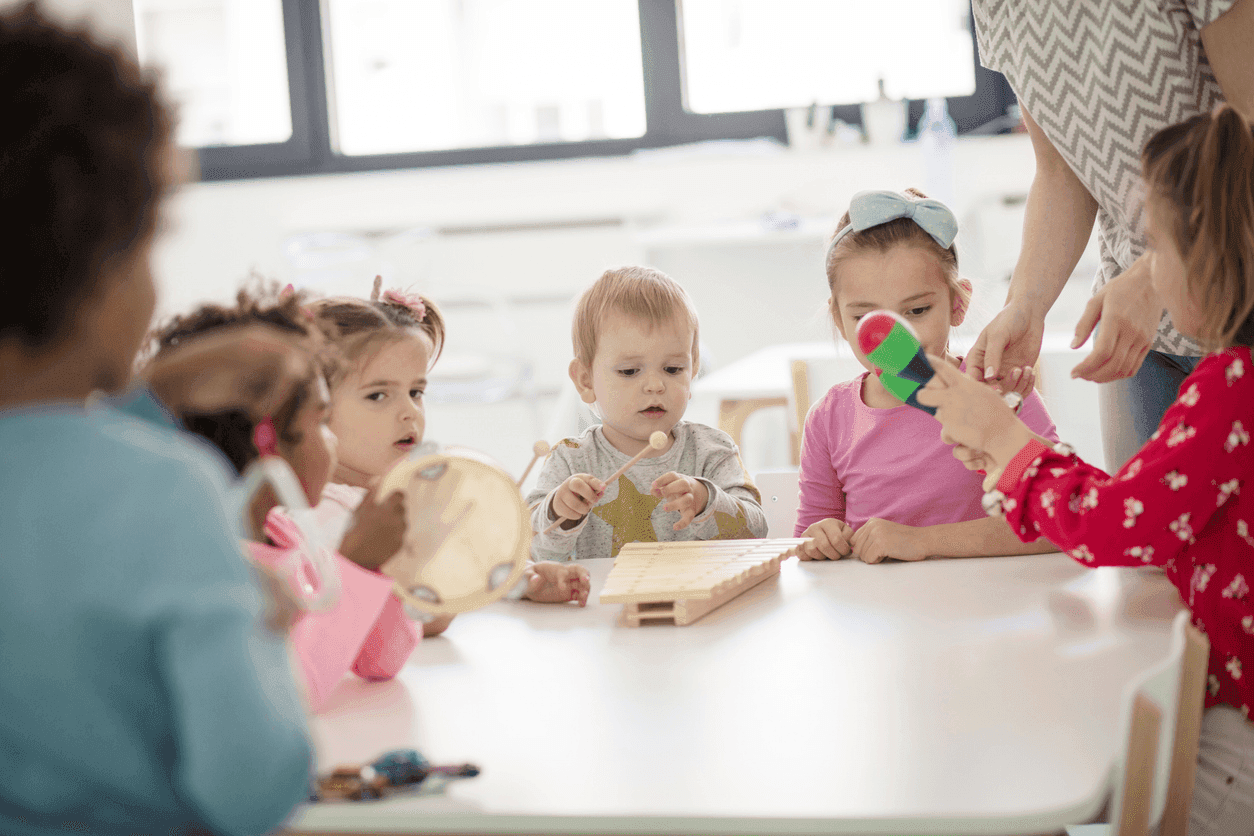
Music and movement are an important part of early childhood programs, providing children with opportunities to explore creativity, rhythm, communication and self-expression.
Musical experiences support a range of developmental skills, including:
- language development through songs, sounds and patterns
- physical development through movement, coordination and fine motor skills
- social development through shared experiences, turn-taking and collaboration
- emotional development through creativity, expression and confidence building.
Under the Early Years Learning Framework (EYLF), educators support children’s learning through intentional environments, responsive interactions and opportunities for exploration and discovery.
Risk management in early childhood is not about removing every possible challenge or limiting children’s access to engaging resources. Instead, educators play an important role in balancing children’s right to explore with thoughtful consideration of safety.
Active supervision and understanding how children use resources
ACECQA highlights that effective supervision involves more than simply being present or meeting educator-to-child ratios. Active supervision requires educators to be aware of the environment, anticipate potential risks and remain engaged with children’s play.
Children are naturally curious and may use resources in ways adults do not expect. This exploration is an important part of learning, but it also requires educators to continually assess the environment and adapt when needed.
When providing resources such as musical instruments, educators may consider:
- whether items are suitable for children’s age, abilities and developmental stage
- whether openings, handles, frames, cords or small components could present risks
- how children are currently engaging with the resource
- educator positioning to ensure children remain visible and supported
- whether additional guidance or adjustments are needed during the experience.
Regular resource checks, hazard identification processes and reflective practice support educators to maintain environments where children can explore safely.
Responding effectively when unexpected incidents occur
Even with strong supervision and risk assessment processes, unexpected incidents can occur in early childhood settings.
In situations where a child becomes caught, stuck or trapped in equipment or resources, educators should prioritise:
- remaining calm and reassuring the child
- maintaining direct supervision and emotional support
- avoiding forceful removal if there is potential to cause injury
- seeking support from another educator or responsible person
- contacting emergency services when specialist assistance is required
- communicating with families in line with service procedures
- documenting and reviewing the incident afterwards.
Post-incident reflection allows services to consider whether changes are needed to resources, supervision approaches, environments or risk assessments.
A reminder of responsive practice
The incident serves as a reminder that safety in ECEC is supported through strong systems, educator awareness and a culture of continuous improvement.
Creating safe learning environments does not mean removing opportunities for curiosity, creativity or exploration. Rather, it requires educators and leaders to understand how children engage with their environment and respond with practices that protect children while continuing to support their learning and development.


Don’t miss a thing




Related Articles