Embedding sustainability in ECEC: practical, authentic approaches beyond recycling
 Article
Sustainability has become a central expectation in early childhood education and care (ECEC). Families, communities, and regulators increasingly expect services to demonstrate environmental responsibility, embed sustainable practices, and support children to develop a deep connection with the natural world. But in 2026, sustainability is no longer about recycling bins, worm farms, or tokenistic “Earth Day” activities. It is about embedding sustainability into culture, curriculum, decision‑making, and everyday practice.
Exploreing what authentic sustainability looks like in ECEC, why it matters, and how services can move beyond surface‑level initiatives to create meaningful, long‑term impact.
Sustainability is not an add‑on, it is a core part of high‑quality early learning. It supports:
- children’s connection to nature
- environmental responsibility
- wellbeing and mental health
- STEM learning
- community engagement
- cultural understanding
- long‑term ecological awareness
The Early Years Learning Framework (EYLF) positions sustainability as a key principle, emphasising children’s responsibility for the environment and their role as active citizens.
Historically, sustainability in ECEC often focused on:
- recycling
- gardening
- composting
- reusing materials
These remain valuable, but they are not enough on their own. Authentic sustainability requires a cultural shift where:
- educators model sustainable behaviours
- children participate in decision‑making
- families are partners
- sustainability is embedded in policies
- procurement and operations reflect environmental values
- learning environments support nature‑based exploration
Sustainability becomes part of the service’s identity, not a collection of activities.
High‑performing services embed sustainability across four key domains: curriculum, environment, operations, and community.
1. Sustainability in the curriculum
Sustainability is woven into everyday learning through:
- inquiry‑based projects
- nature‑based play
- discussions about caring for Country
- exploration of natural materials
- STEM investigations
- problem‑solving around real environmental issues
Children learn through hands‑on experiences that build curiosity, responsibility, and agency.
2. Sustainable environments
Learning environments reflect sustainable values through:
- natural materials
- loose parts
- native plants
- outdoor classrooms
- water‑wise gardens
- composting systems
- sensory nature spaces
These environments support wellbeing, creativity, and environmental connection.
3. Sustainable operations
Sustainability is embedded in organisational systems, including:
- energy use
- water conservation
- waste reduction
- procurement choices
- cleaning products
- food sourcing
- resource management
Operational sustainability demonstrates leadership commitment and reduces environmental impact.
4. Community and cultural connections
Sustainability is strengthened through:
- partnerships with local councils
- collaboration with Landcare or environmental groups
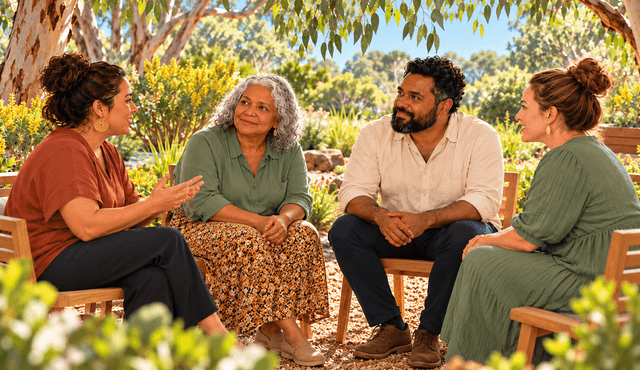
- learning on Country with Aboriginal and Torres Strait Islander community members
- family engagement in sustainability projects
These connections deepen children’s understanding of place, culture, and community responsibility.
Even committed services can struggle to embed sustainability meaningfully. Common challenges include:
- Educators may feel they lack time to plan or implement sustainability initiatives.
- Some educators feel unsure about environmental concepts or how to teach them.
- Activities may be disconnected from curriculum or broader sustainability goals.
- Different rooms may approach sustainability differently, leading to mixed messages.
- Families may not understand the purpose of sustainability initiatives or may have different expectations.
These challenges highlight the need for strong leadership and clear systems.
Practical strategies for embedding sustainability
Review:
- current practices
- energy and water use
- waste systems
- curriculum integration
- educator capability
- family engagement
Identify strengths and gaps.
Create a sustainability action plan that includes:
- goals
- timelines
- responsibilities
- resources
- evaluation methods
This ensures sustainability is intentional and measurable.
Provide professional learning in:
- nature‑based pedagogy
- environmental education
- cultural perspectives on sustainability
- inquiry‑based learning
Capability builds confidence.
Embed sustainability into daily routines including:
- children sorting waste
- caring for plants
- turning off lights
- using natural materials
- conserving water during handwashing
Small routines build lifelong habits.
Work with Aboriginal and Torres Strait Islander community members to explore:
- caring for Country
- local knowledge systems
- seasonal cycles
- cultural stories
Cultural perspectives deepen children’s understanding of sustainability.
Engage families meaningful and share:
- sustainability goals
- practical tips
- children’s learning
- opportunities to participate
Family engagement strengthens consistency between home and service.
Celebrating progress, not perfection, sustainability is a journey. Celebrate:
- small wins
- children’s ideas
- educator initiatives
- community partnerships
Recognition builds momentum.
Sustainability must be supported at the governance level. Providers should:
- embed sustainability in policies
- allocate resources
- monitor progress
- support professional learning
- ensure procurement aligns with sustainability goals
- include sustainability in the QIP
Leadership commitment ensures sustainability is sustained long‑term.
Sustainability in ECEC is evolving from a set of activities to a whole‑service approach grounded in culture, community, and curriculum. When services embed sustainability authentically, they support children to become thoughtful, responsible citizens who understand their connection to the natural world.
Sustainability is not a trend, it is a responsibility. And when embedded well, it enriches learning, strengthens community, and supports a healthier future for all.


Don’t miss a thing




Related Articles