



How Rise and Shine Kindergarten and WESHOL are bringing hands-on STEM learning to life
 Marketplace
Rise and Shine Kindergarten has announced its partnership with We Support Hands-On Learning (WESHOL), strengthening a shared commitment to curiosity-led, inquiry-driven and hands-on learning experiences that help children build confidence, creativity and critical thinking from the earliest years.
Across Rise and Shine Kindergarten’s 15 centres in New South Wales and Queensland, children are designing bridges, exploring light and shadow, investigating butterfly habitats, creating recycled astronaut costumes and solving construction challenges through immersive STEM experiences grounded in exploration and real-world problem-solving.
The partnership reflects strong alignment between WESHOL’s philosophy and Rise and Shine’s Shine Advantage Curriculum, which empowers children to think, question, create and problem-solve through active engagement with materials, ideas and challenges. Both organisations believe children learn best when they are actively involved in the learning process, rather than simply receiving information passively.
“Hands-on learning is embedded within every aspect of our Shine Advantage Curriculum,” the Rise and Shine team said.
“We intentionally design experiences that spark exploration, experimentation and inquiry because children build deeper, more durable understanding when they actively engage with materials, ideas and challenges, not when they are simply instructed.”
The partnership between Rise and Shine and WESHOL is grounded in growing evidence that hands-on learning supports deeper understanding, stronger engagement and more meaningful long-term learning outcomes for children. Research and classroom experience continue to show that children build stronger understanding when they actively explore, test ideas and manipulate real materials. Real-world problem-solving also supports confidence, resilience and persistence, while inquiry-driven learning strengthens communication, teamwork and critical thinking.
For Rise and Shine, partnering with WESHOL also represented an opportunity to strengthen continuity between early learning and primary school experiences. The organisation saw clear alignment between WESHOL’s broader advocacy for active learning in schools and its own focus on helping children become capable, curious and confident learners from the earliest years.
STEM as a vehicle for future-ready learning

Rise and Shine strengthened its focus on hands-on STEM learning after recognising that the skills children need for future success are no longer based purely on content knowledge.
Curiosity, persistence, collaboration, creativity and problem-solving are increasingly important capabilities for children entering a rapidly changing world, and STEM provides a powerful framework for developing these skills through meaningful, play-based learning experiences.
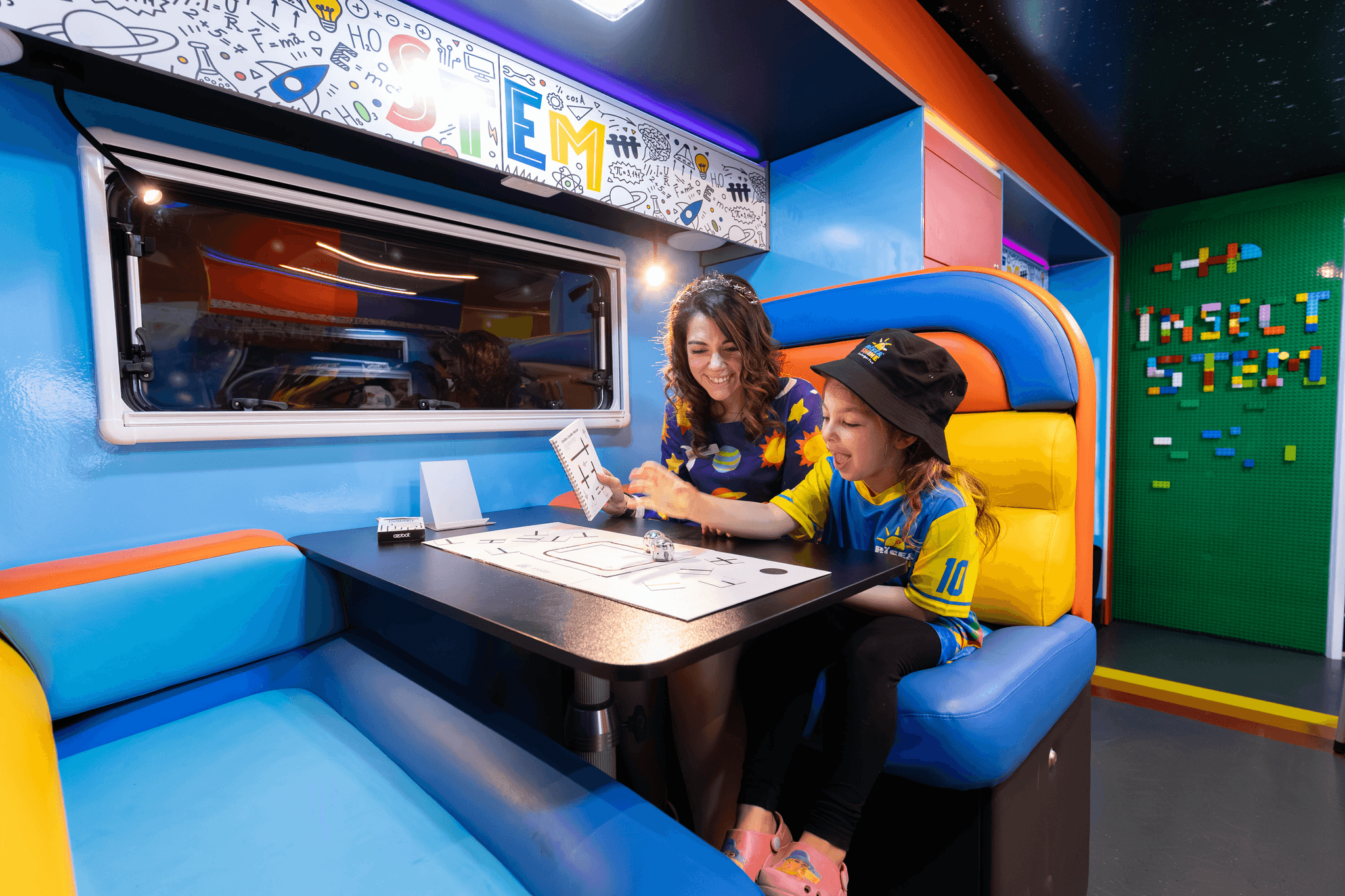
Through the ORBIT initiative, children access immersive opportunities for inquiry and STEM innovation through the Orbit Centre of Imagination, interactive science shows, the Planetarium and the Orbit Mobile STEM Shuttle. These experiences encourage experimentation, collaboration and open-ended problem-solving, with learning continuing back in classrooms and at home.
The partnership with WESHOL has further strengthened this approach by reinforcing the value of consistent hands-on learning experiences across services and throughout the broader education journey. Both organisations share a belief that children thrive when they are encouraged to explore ideas actively, ask questions and engage with learning in meaningful, practical ways.
What STEM looks like in practice

Each week, children engage in a wide range of inquiry-based experiences, including construction challenges, loose-parts design, nature investigations, sustainability projects, scientific experimentation and collaborative problem-solving tasks.
Many experiences emerge directly from children’s interests and questions.
Current investigations across Rise and Shine services have been sparked by visits to the Orbit Planetarium as part of the Kindy+ excursion and events program. These experiences have led to classroom projects involving papier-mâché planets, artworks of swirling galaxies and astronaut costumes made from recycled materials.
Educators introduce STEM concepts in natural, play-based and age-appropriate ways by encouraging children to predict, test ideas, problem-solve and reflect. They also intentionally create environments and use language that supports a growth mindset, helping children feel safe to test ideas, make mistakes and try again.
Simple phrases such as “mistakes help us learn” and “that looks interesting, can we try it together?” help reinforce the idea that learning is a process, not a fixed outcome.
For WESHOL, these types of learning experiences are central to building long-term engagement, confidence and curiosity in children. The campaign continues to advocate for more hands-on learning opportunities that allow children to collaborate, create, experiment and explore through active participation.
Environments that support exploration

The physical learning environment plays an important role in supporting hands-on STEM learning at Rise and Shine.
Smart Start rooms (in centre STEM rooms) are used as key spaces for investigation, creativity and collaboration. Children use these rooms daily to explore open-ended materials, construction resources, unique provocations and experiments.
The Orbit Mobile STEM Shuttle has also become a highly engaging resource, visiting services and giving children access to immersive STEM learning experiences in a dedicated, hands-on environment.
These environments strongly align with the WESHOL philosophy that physical, engaging and collaborative learning experiences help children build deeper connections with ideas, materials and each other.
Supporting educator confidence
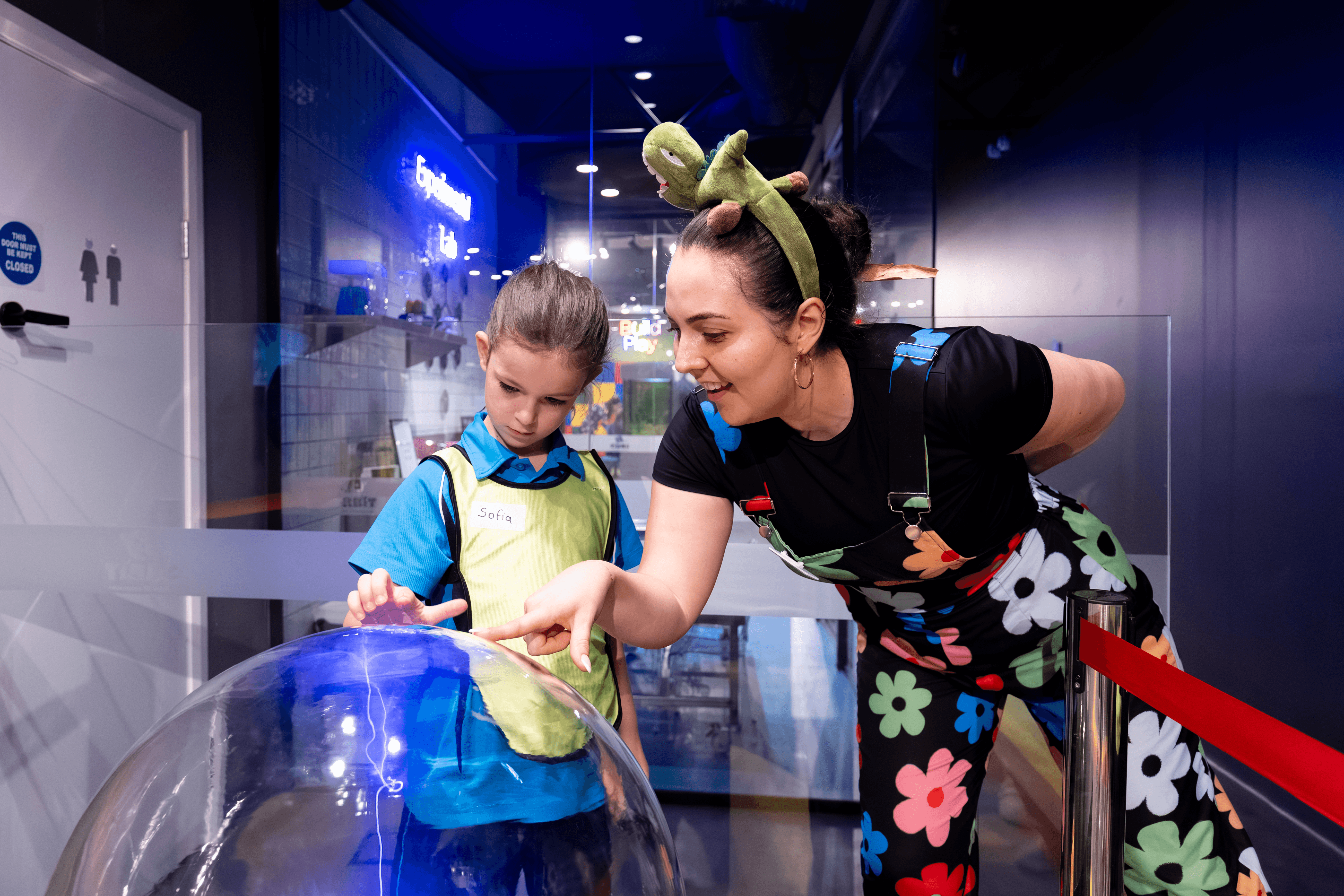
Rise and Shine also invests in professional learning and mentoring to build educator confidence in facilitating the Shine Advantage Curriculum.
The focus is not on educators having all the answers. Instead, educators are supported to promote inquiry, ask meaningful questions and learn alongside children.
This has supported a shift in educator practice, with a stronger emphasis on the learning process rather than predetermined outcomes. Provocations such as “How can we get the truck back home safely?” or “Can you create a map of our playground?” encourage children to engage with STEM principles such as curiosity, perseverance and critical thinking in meaningful ways.
The partnership with WESHOL has also reinforced the importance of empowering educators to facilitate active learning experiences that build confidence, creativity and collaboration in children from the earliest years.
Building confidence, resilience and problem-solving
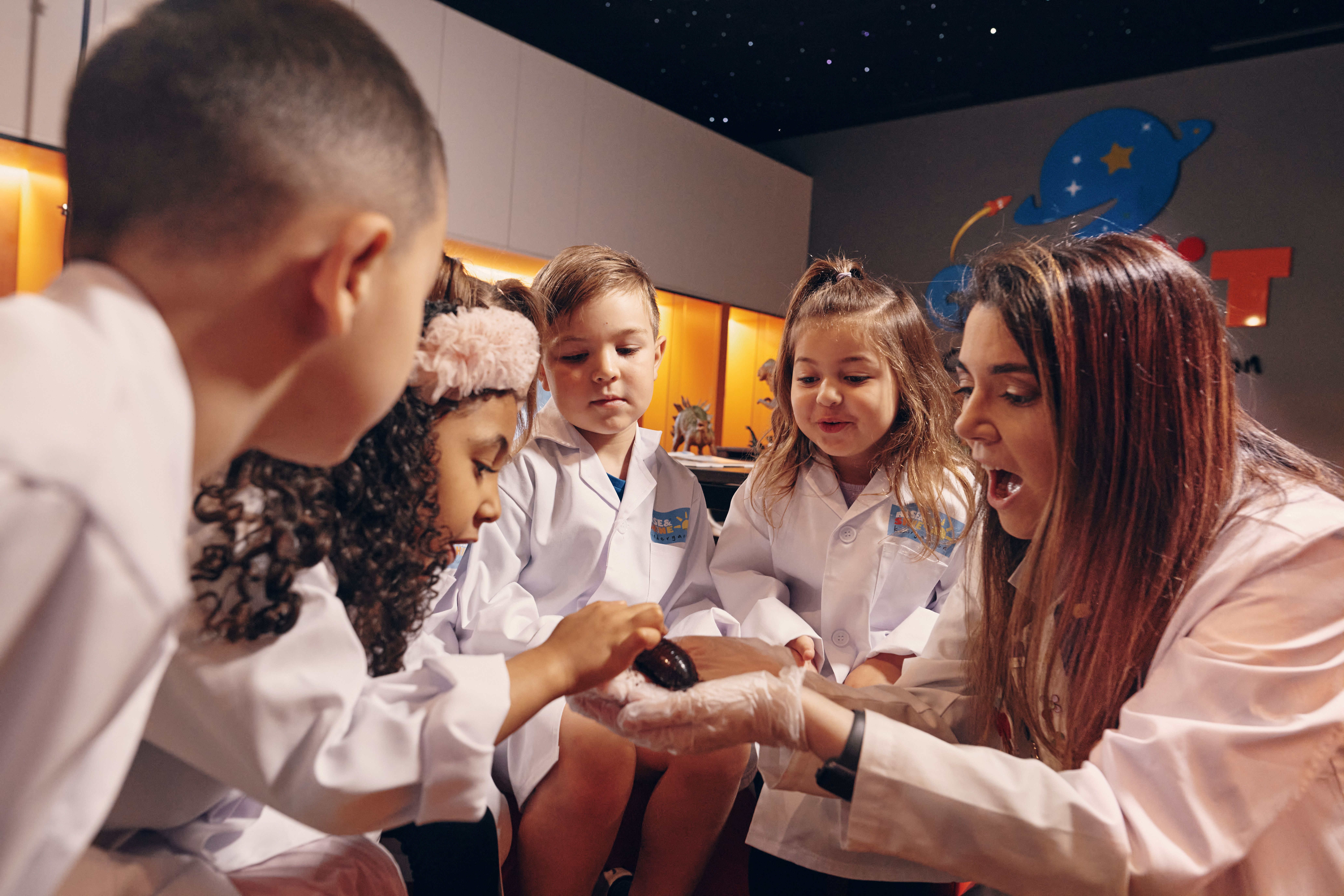
Through Rise and Shine’s STEM framework, children are becoming more willing to test ideas multiple times before deciding on a solution.
A construction being knocked over or an ingredient running out during a recipe is not treated as a ‘game over’ moment. Instead, children are encouraged to discover a new way forward.
The team describes these moments of perseverance and resilience as the building blocks of future-ready learners.
One memorable example involved children designing and constructing “super-strong” bridges after learning about how much weight the Sydney Harbour Bridge could hold.
Children tested different materials provided by their educator, revised designs after failure and collaborated to improve the strength of their bridges. The persistence, teamwork and critical thinking demonstrated by the children showed the depth of learning that can emerge through hands-on STEM experiences.
Making learning visible to families
Children’s theories, predictions and learning are intentionally documented each day at Rise and Shine.
These ideas are displayed on paper scaffolds so children can revisit them over multiple days and families can see the thinking behind the learning.
Making learning visible helps extend children’s thinking and promotes deeper exploration at home. Families have also shared feedback about children showing increased independence and greater enthusiasm for asking questions, building, experimenting and explaining their thinking.
Why early STEM matters
For Rise and Shine, early exposure to STEM is about nurturing minds that are curious, open and free from limitation.
The goal is to ensure children enter primary school with the confidence to question, investigate and think critically, rather than simply accept preconceived ideas or bias.
For other services wanting to strengthen hands-on STEM learning, the team’s advice is simple: start with curiosity rather than content.
Creating environments that invite exploration, providing open-ended materials and empowering educators to facilitate discovery can help services build a meaningful culture of inquiry and innovation.
For Rise and Shine, the partnership with WESHOL has further strengthened this approach, reinforcing the value of consistent, hands-on experiences where children and educators engage in a shared culture of curiosity, creativity and active learning.
Looking ahead
Rise & Shine is entering an exciting period of celebration and growth. In September, the organisation will host a Family Fun Festival celebrating key 2026 milestones, including five years of Orbit, Centre of Imagination, ten years of Smart Start and ten years of the Sylvania service.
As the organisation approaches its fifteenth anniversary in 2028, the future remains the focus for the children, crew, community and services. Plans are underway to launch another Orbit Shuttle, inspiring more children across Victoria, New South Wales and Queensland.
In the coming months, Rise & Shine is preparing for National Science Week, continuing to invest in educator capability, innovative learning environments and strong community partnerships with local primary schools. The goal remains clear: supporting children to become capable, curious and confident learners, ready for school and life.
But this momentum extends far beyond a single provider. As more early learning services look for meaningful ways to strengthen engagement in the early years, partnerships that combine educator support, hands-on experiences and inquiry-led learning frameworks are becoming increasingly important across the sector.
This is where WESHOL continues to play an important role, helping services build consistent, high-quality hands-on learning cultures that empower educators and inspire children.
Early learning providers across Australia can join the movement, access practical inspiration and receive hands-on learning resources through We Support Hands-On Learning. Services can explore ideas, connect with sector-wide initiatives and take the next step in strengthening hands-on learning for every child.


Don’t miss a thing


Related Articles