Peanut allergy treatment clears trial hurdle, offering hope for children
 Article
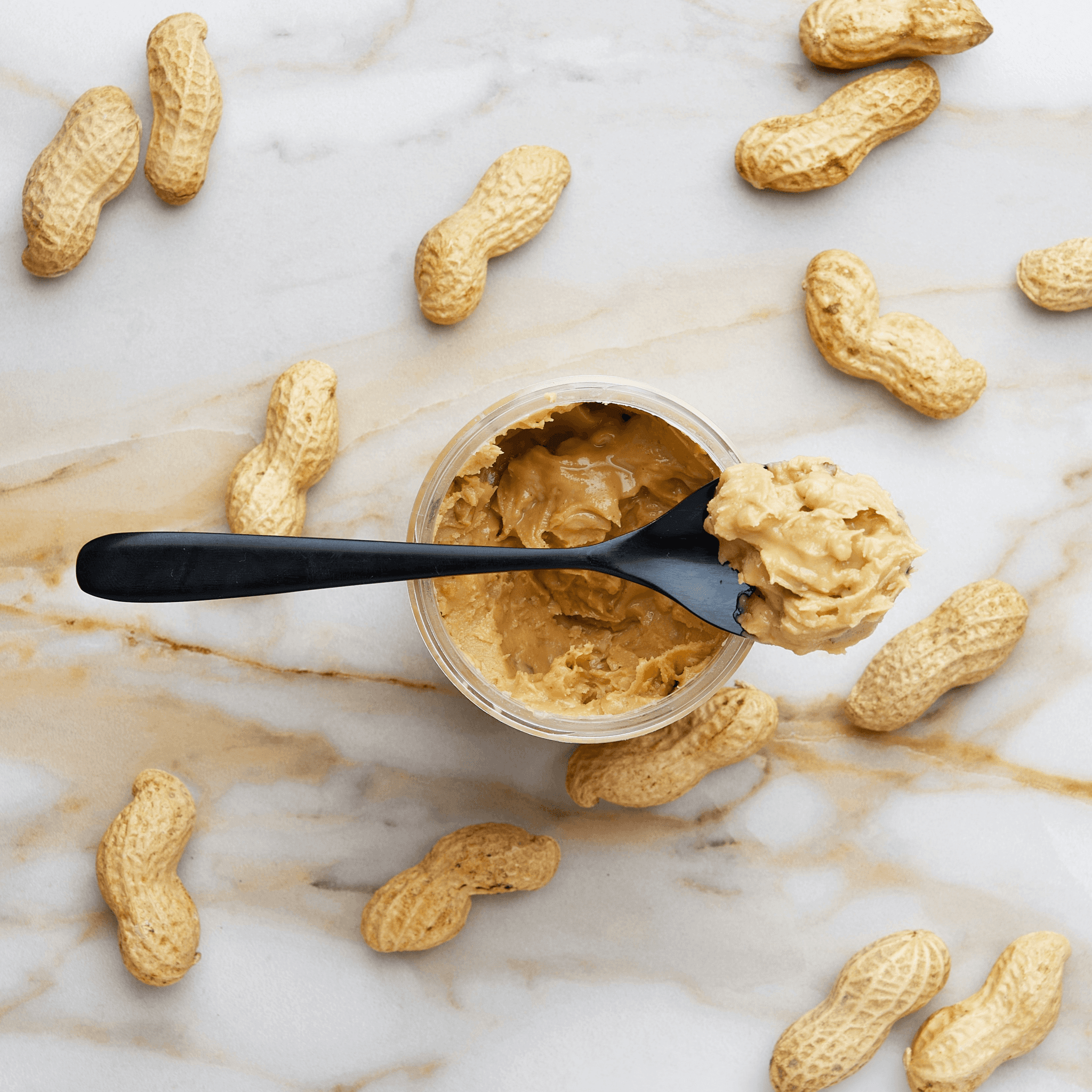
A monthly injection has helped children with peanut allergy increase the amount of peanut they can tolerate in a trial.
Australian biotech Aravax has announced promising Phase 2 results for its investigational treatment, PVX108. The treatment aims to retrain the immune system.
“There is a critical need for new approaches to the treatment of peanut allergy, especially in younger children,” said trial investigator Professor Brian Vickery.
Year-long trial finds increased peanut tolerance
The main effectiveness group had 71 children aged 4-11, and the initial safety group had 24 adolescents aged 12-17. The trial occurred across Australia and the United States.
Children received either monthly injections of PVX108 or a placebo being an injection containing no active treatment over a 12-month period. Researchers tested how much peanut the children could tolerate before and after treatment using medically supervised food challenges.
Children who received the higher dose showed a significant increase in peanut tolerance compared with those receiving the placebo. Aravax reported no treatment-related anaphylaxis or treatment-related serious adverse events.
Treatment targets the immune response behind peanut allergy
The treatment was created by a research team at Monash University and the Alfred. The team was led by Professor Robyn O’Hehir. Other members include Professor Jennifer Rolland and Dr Sara Prickett who are co-founders of Aravax.
The treatment uses synthetic pieces of peanut protein to retrain the immune system while aiming to minimise the risk of treatment-induced allergic reactions. It is administered via injection.
Follow-up testing six months after treatment ended up showing signs of sustained benefit. More testing is planned and an extension study is underway. The research does not show that the treatment cures peanut allergy.
Early learning allergy plans remain essential as testing continues
As the treatment is in its investigation stage and has not received regulatory approval, these findings and research development are ongoing. Children in early learning centres still require approved allergy management plans.
The National Allergy Council recommends that children with an ASCIA Action Plan have an individualised anaphylaxis care plan developed with their parent or carer.
Its checklist includes staff training, safe food preparation and ensuring adrenaline devices and action plans accompany children on excursions.
Read the Monash University announcement here and Aravax’s trial results here. Services can also access the anaphylaxis management checklist for children’s education and care here.

Don’t miss a thing

Related Articles