


Adrenaline nasal spray approved for anaphylaxis treatment in Australia
 Article
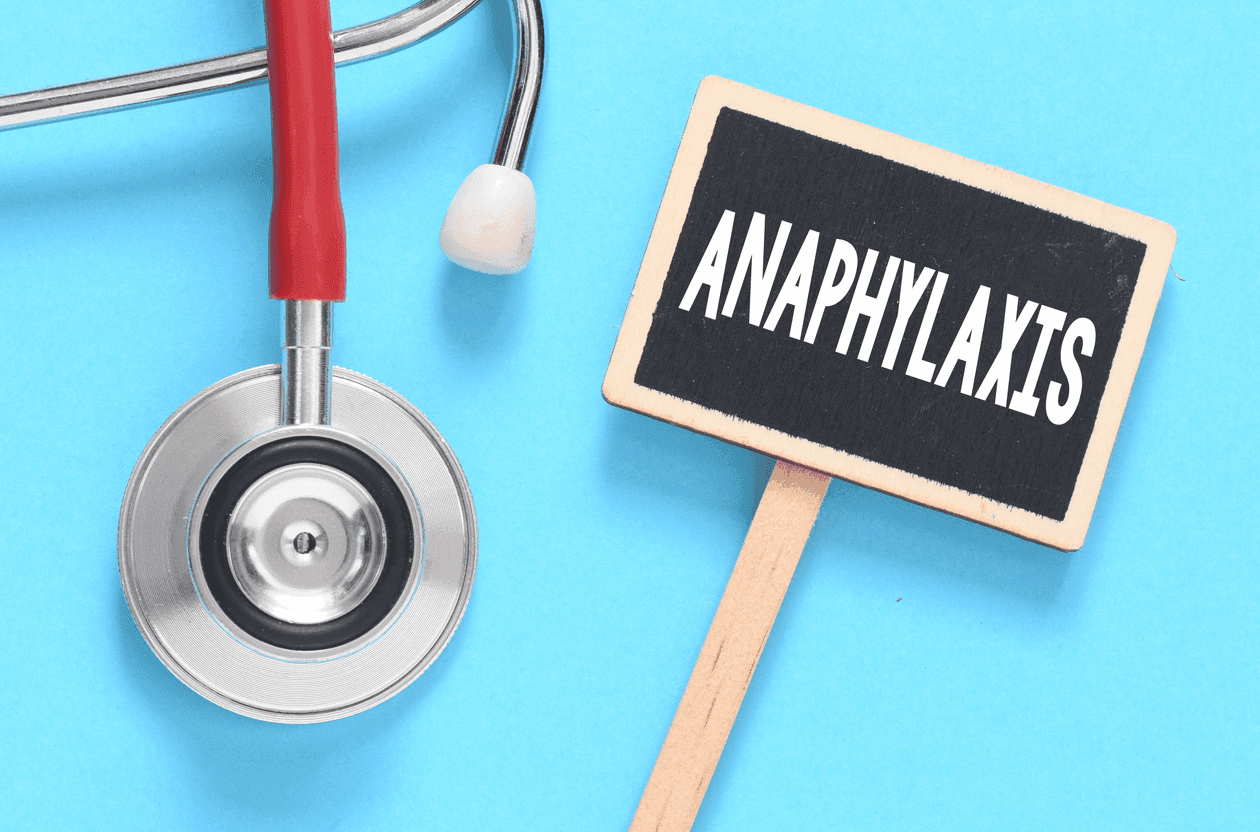
A new adrenaline nasal spray has been approved in Australia for the emergency treatment of anaphylaxis, providing an alternative administration option for adults and children weighing 15kg or more and aged four years and over.
CSL Seqirus has confirmed that neffy® (adrenaline/epinephrine) nasal spray is now registered for use in Australia. It is the first new method of administering adrenaline for anaphylaxis approved in the country in more than 30 years.
Anaphylaxis is the most severe form of allergic reaction and can affect multiple body systems, including the skin, respiratory, gastrointestinal and cardiovascular systems.
Symptoms may include:
- difficult or noisy breathing
- swelling of the tongue
- swelling or tightness in the throat
- wheeze or persistent cough
- difficulty talking or hoarse voice
- persistent dizziness or collapse
In young children, anaphylaxis may also present as paleness and floppiness.
Without immediate treatment using adrenaline, anaphylaxis can be life threatening.
Australia records among the highest documented rates of anaphylaxis hospital admissions in the developed world. Between 2015 and 2020, Australian public hospitals reported a 51 per cent increase in emergency department presentations and a 35 per cent increase in hospitalisations related to anaphylaxis.
For early childhood education and care (ECEC) services, where allergy management plans and risk minimisation strategies are common, preparedness for anaphylaxis remains a critical compliance requirement under the National Quality Framework, particularly Quality Area 2, Children’s health and safety.
Professor Connie Katelaris AM, a NSW-based allergist, welcomed the approval of neffy, noting that it provides an additional administration option for patients and clinicians.
“The approval of neffy is very welcome as it gives patients and their doctors a nasal administration option and choice in managing their condition,” Professor Katelaris said.
Maria Said AM, Health Strategy and Advocacy Manager at Allergy & Anaphylaxis Australia, said the availability of a non-injectable option may assist some individuals and families in managing risk.
“Having a new treatment option which does not require injection will offer people at risk of anaphylaxis, and their treating doctor, the ability to choose an adrenaline device that best suits their needs,” Ms Said said.
Allergy & Anaphylaxis Australia is a registered charity and the nation’s only peak patient support organisation dedicated to assisting individuals and carers managing allergic disease. The organisation provides evidence-based information, resources and services to support Australians living with allergy and anaphylaxis.
The organisation also delivers Allergy250K, an initiative providing age-appropriate information and connection opportunities for young people living with severe allergies.
Healthcare organisations are updating anaphylaxis education resources to incorporate neffy into existing guidance.
For ECEC services and schools, this may prompt review of:
- anaphylaxis management policies
- staff training and first aid procedures
- risk minimisation plans for children diagnosed at risk
- medication storage and accessibility arrangements
- communication with families regarding prescribed devices
Services must continue to follow individual medical management plans provided by a child’s treating practitioner.
CSL Seqirus operates vaccine and pharmaceutical manufacturing facilities in Australia and internationally and supplies a range of vaccines and medicines, including influenza vaccines and antivenoms.
References
¹ Therapeutic Goods Administration. neffy Consumer Medicine Information, 2025.
² Therapeutic Goods Administration. Australian Register of Therapeutic Goods (ARTG), 2025.
³ Australasian Society of Clinical Immunology and Allergy (ASCIA). Anaphylaxis Fast Facts, 2026.
⁴ Parliament of the Commonwealth of Australia. Walking the allergy tightrope, 2020.
⁵ Mullins RJ et al. Clin Exp Allergy. 2016;46:1099–1110.
⁶ Australian Commission on Safety and Quality in Health Care. Acute Anaphylaxis Clinical Care Standard, 2021.
⁷ Australasian Society of Clinical Immunology and Allergy (ASCIA). Acute management of anaphylaxis guidelines, 2023.


Don’t miss a thing