Multiple birth families call for policy reform as support gaps highlighted at Parliament House
 Article
Families raising twins, triplets and higher-order multiples are being left behind by policy settings that fail to reflect the realities of their experience, according to the Australian Multiple Birth Association (AMBA).
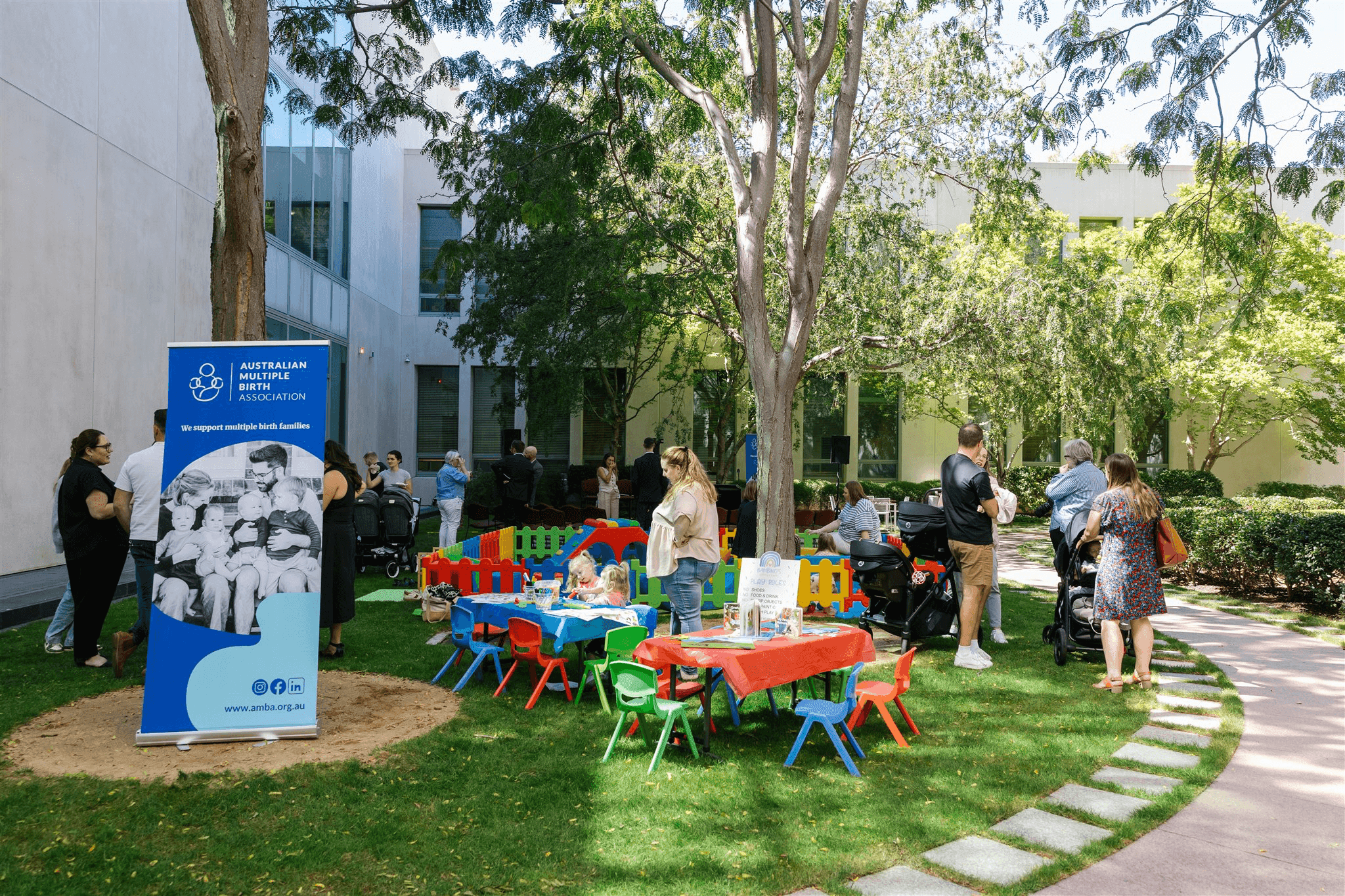
The call for reform comes as AMBA launched the Parliamentary Friends of Multiple Birth Families group at Parliament House in Canberra, alongside Assistant Minister for Social Services Ged Kearney, Louise Miller Frost MP, Senator Tammy Tyrrell and multiple birth families.
The event also marked the release of national survey findings from more than 1,100 parents of multiples, highlighting the financial, physical and emotional pressures associated with raising more than one child of the same age.
AMBA Chairperson Silje Andersen-Cooke said current policy settings treat families of multiples the same as those with single children, despite significantly higher costs and care demands.
“Twins cost up to five times more than singletons, and triplets up to 13 times more,” Ms Andersen-Cooke said.
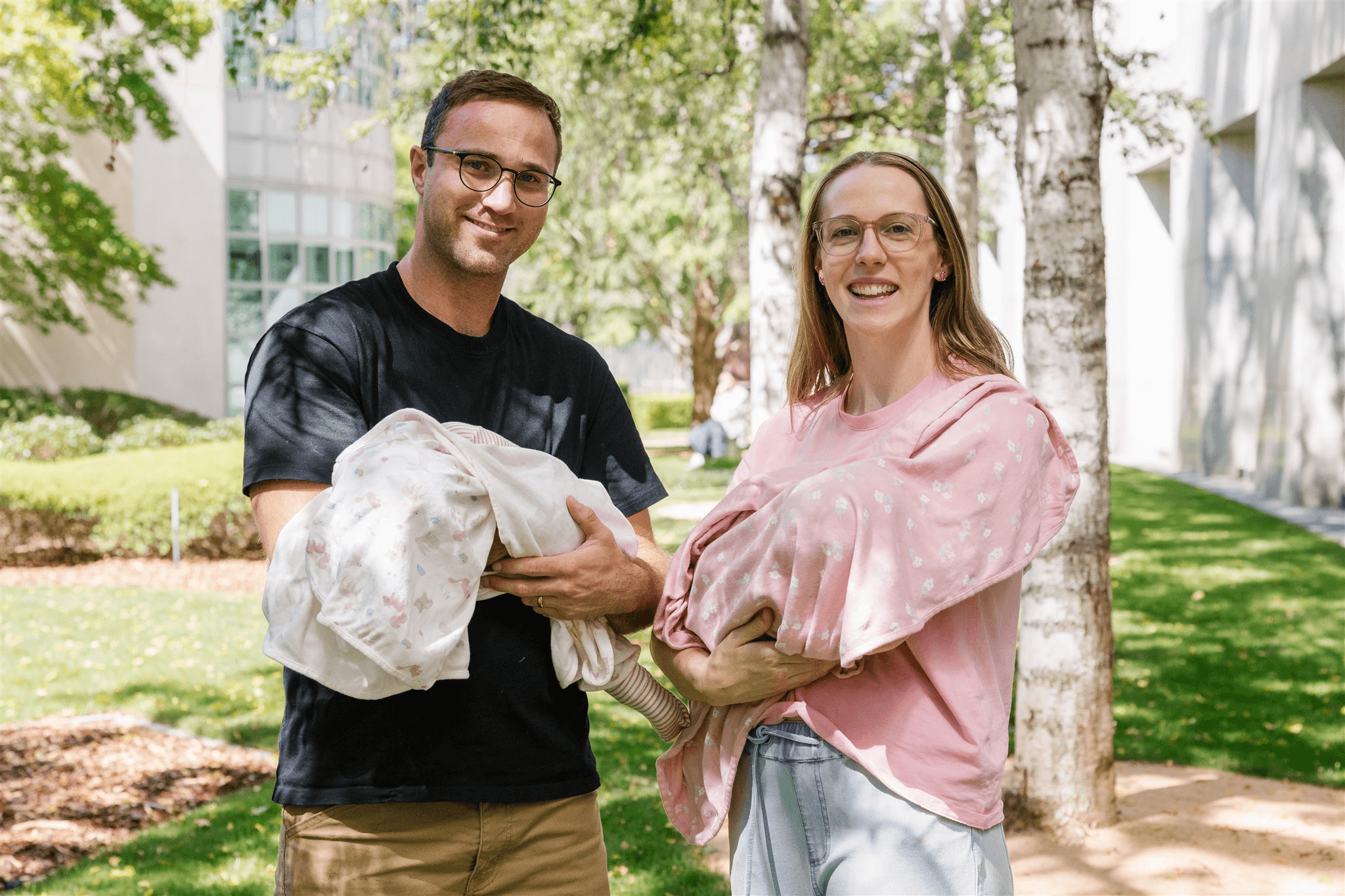
“The Multiple Birth Allowance excludes twins entirely, and more than half of triplet and higher-order multiple families also miss out. As a result, most families receive no targeted support.”
The allowance has not been reviewed since its introduction under the Hawke Government. At the same time, multiple births are increasing globally, influenced by factors such as later parenthood, fertility treatments and improved neonatal outcomes.
AMBA argues that existing policy no longer reflects contemporary family needs.
The association’s findings also point to heightened health and wellbeing pressures for families of multiples.
All triplets and quadruplets, and approximately 63 per cent of twins, require neonatal intensive care. Parents of multiples experience significantly higher rates of postnatal depression and extreme fatigue compared to parents of singletons.
“These are not marginal differences,” Ms Andersen-Cooke said.
“They represent structural challenges that require targeted and sustained policy responses.”
In its pre-budget submission, AMBA has called for $191.6 million in funding to better support multiple birth families.
Key recommendations include:
- a dedicated Multiple Birth Support Scheme
- parental leave allocated per child rather than per pregnancy
- in-home support during the early months
- a 2,000-day support program for families
The proposal is expected to support more than 25,000 families nationally and deliver broader benefits, including reduced financial hardship, improved workforce participation and better developmental outcomes for children.
Parents attending the event shared insights into the realities of raising multiples and the limitations of current support systems.
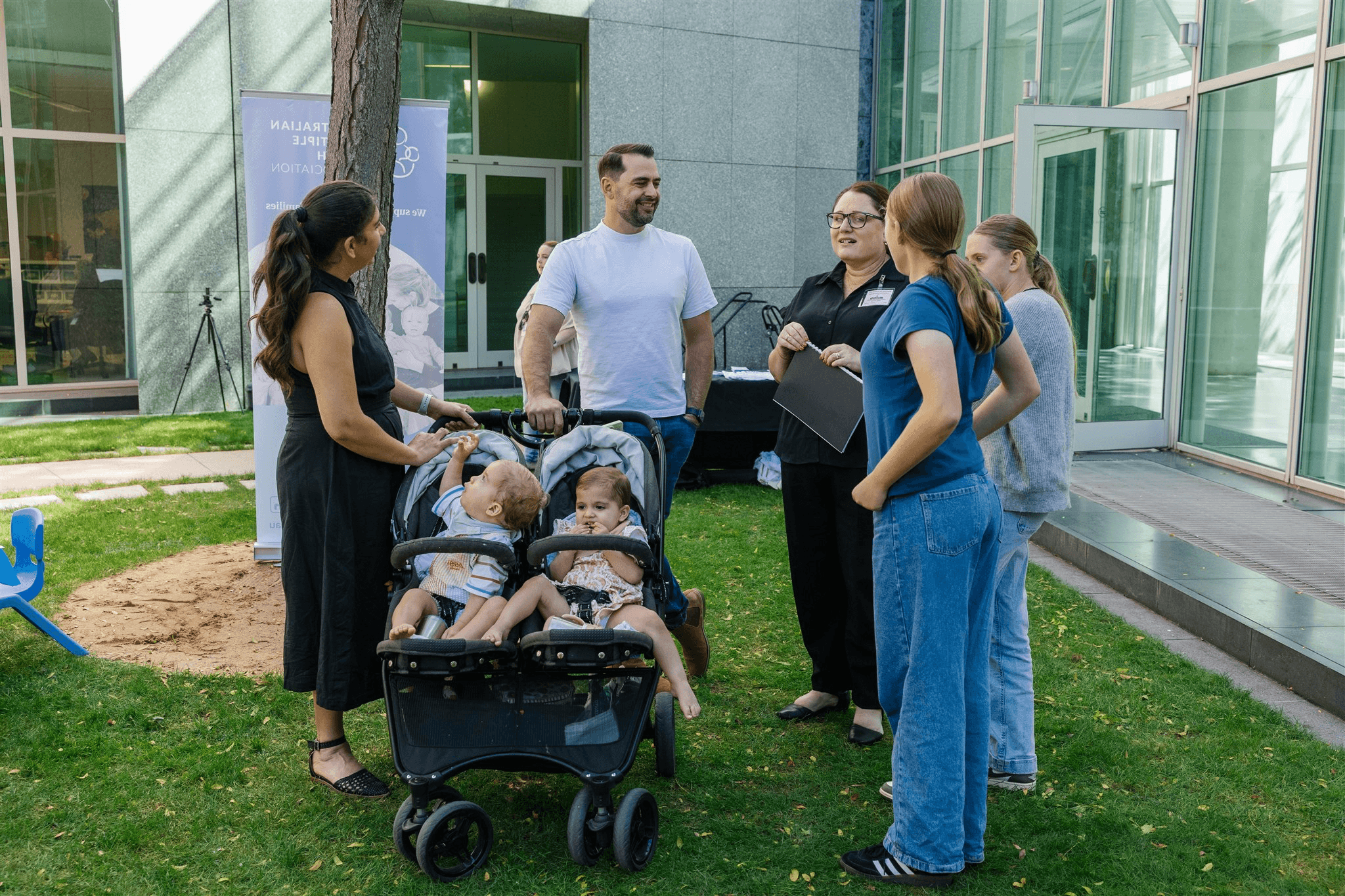
James van Meurs, a father of 18-month-old twins and a four-year-old, said the contrast between raising one child and multiple children of the same age is significant.
“Even with strong family support, it became clear that the system does not recognise the additional demands that come with a multiple birth,” he said.
He noted that access to additional parental leave would allow families more time to recover, establish routines and support each child’s development.
Other families described the immediate and ongoing financial pressures, as well as the emotional and physical demands associated with caring for multiple infants simultaneously, often without extended support networks.
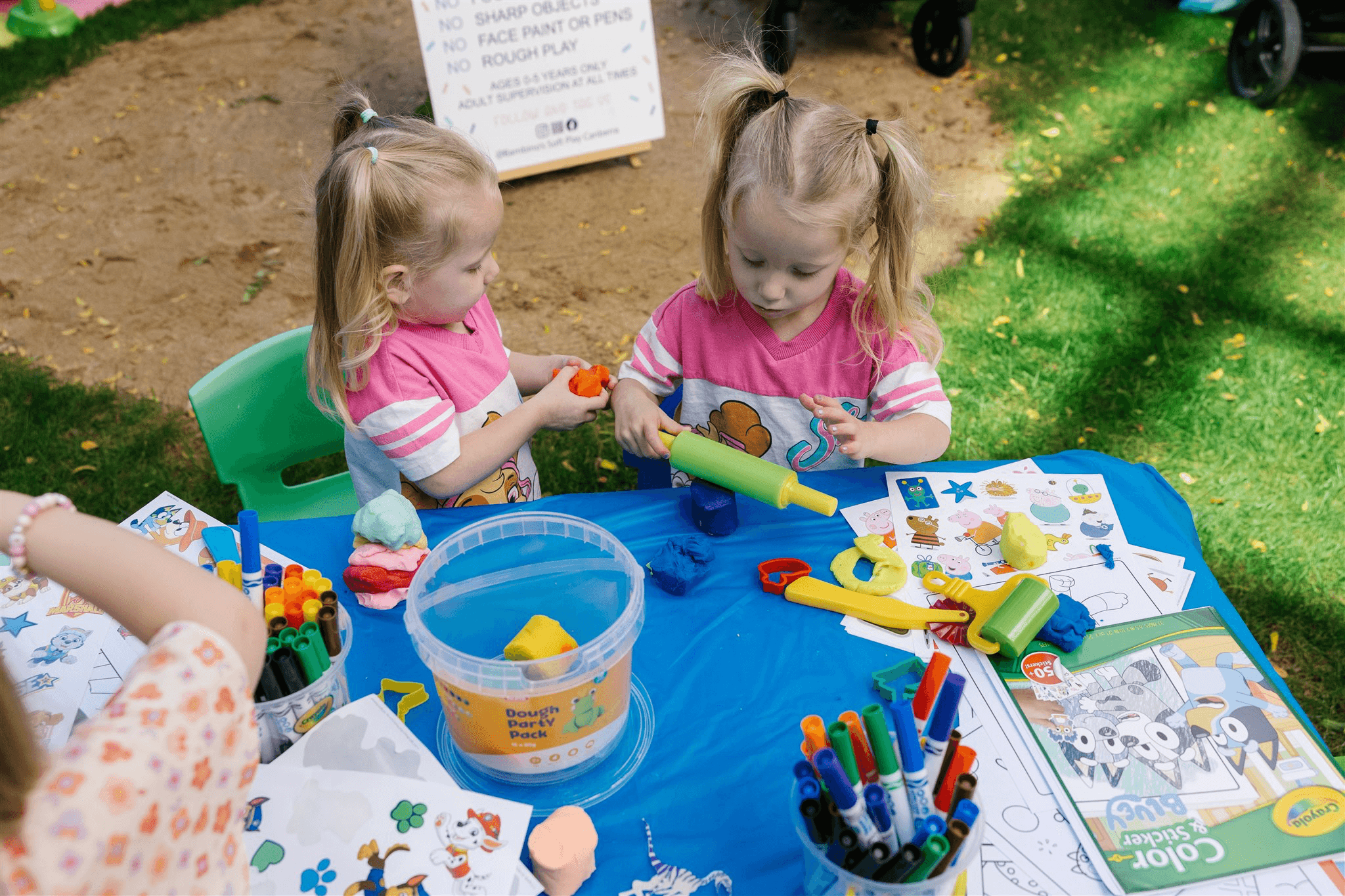
The launch of the Parliamentary Friends of Multiple Birth Families group represents a step towards greater recognition of the needs of these families within federal policy discussions.
AMBA, a national not-for-profit organisation supporting families through more than 35 local clubs across Australia, has advocated for improved support for more than 50 years.
The organisation said growing awareness of the issue reflects a broader understanding that families of multiples face distinct challenges that cannot be addressed through one-size-fits-all approaches.
“Parents of multiples are managing the care of two, three or more children at the same developmental stage,” Ms Andersen-Cooke said.
“Policy settings need to reflect that reality.”


Don’t miss a thing




Related Articles