



Gardening Australia Junior helps early learners grow through nature-based inquiry
 Article
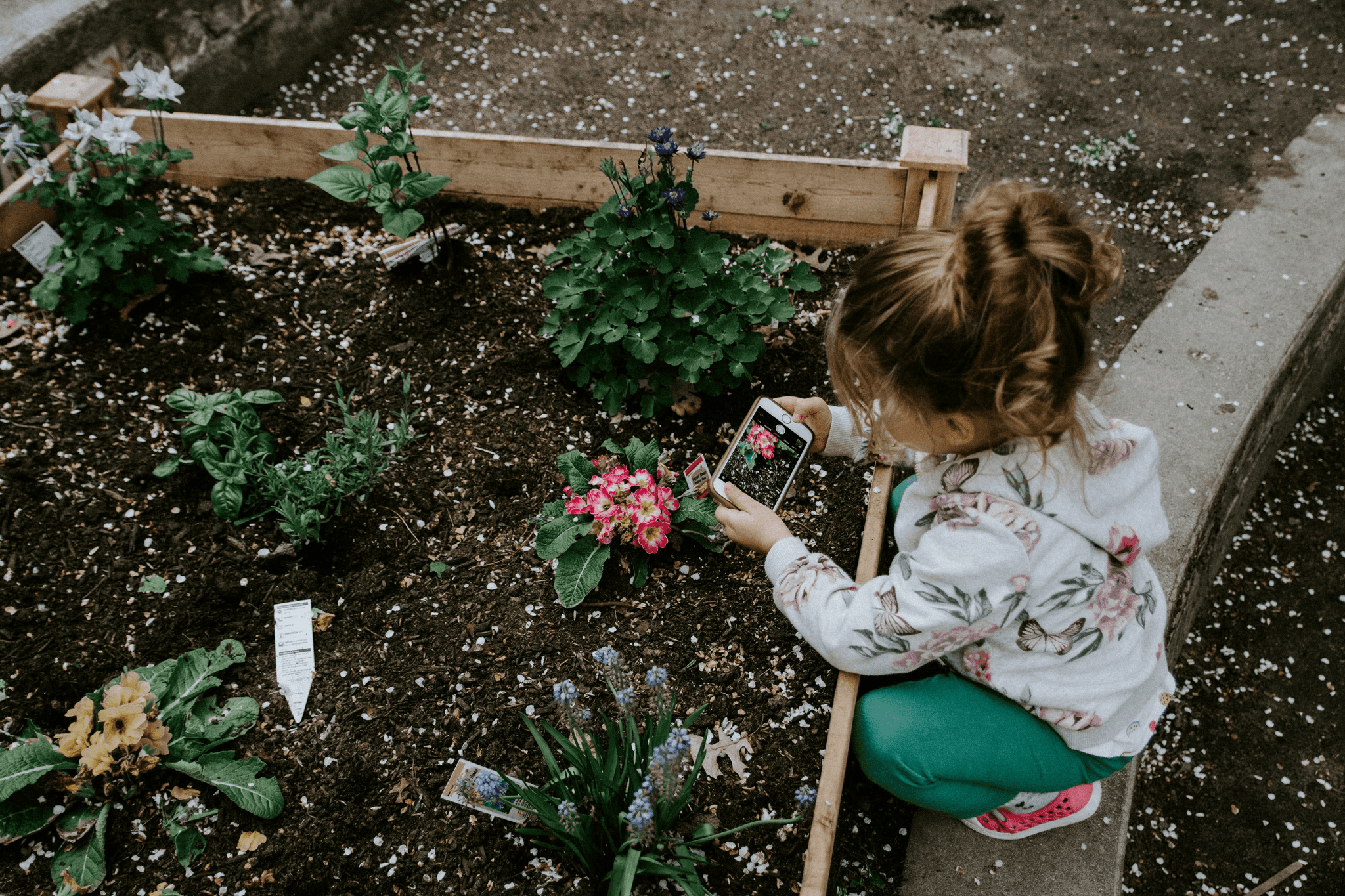
ABC’s Gardening Australia Junior is emerging as a vibrant, accessible resource for early learning professionals seeking to embed nature play, science inquiry and sustainability into their programs.
Created specifically for preschool to Year 2 learners, the series blends playful storytelling with scientifically grounded content. Each short episode offers hands-on inspiration, helping children observe, question and connect with the natural world around them, all while aligning with early years learning outcomes and curriculum priorities.
From germinating seeds to analysing worm wee and understanding rain formation, Gardening Australia Junior covers a wide spectrum of biology and environmental science topics in a way that is both engaging and age-appropriate. The series encourages children to get their hands dirty, and their minds working.
Watch the full season on ABC iview
Explore teaching resources at the Gardening Australia Junior ABC Education page
Hosted by popular ABC personalities including Costa Georgiadis, Millie Ross and the cheerful “Poo Crew”, each episode tackles big questions through bite-sized investigations.
Episodes include:
- How to wake a sleeping seed – exploring germination through water, warmth and light
- Poo power – investigating how animal waste supports ecosystems
- Why does it rain? – modelling the water cycle through visual experiments
- Parts of a leaf – examining leaf structure and plant function
- Worm wee in action – understanding soil health through composting and worm farming
- Big eggs and little eggs – linking animal biology with biodiversity and habitats
Each topic is paired with simple questions to guide class discussion or provoke reflection, making the series a useful resource for educators designing inquiry-based or project-based learning.
The series naturally supports several areas of the Early Years Learning Framework (EYLF), particularly:
- Outcome 2: Children are connected with and contribute to their world
- Outcome 4: Children are confident and involved learners
- Outcome 5: Children are effective communicators
Educators can use the program to scaffold children’s curiosity, encourage observation and prediction, and link outdoor experiences with broader concepts like environmental sustainability, life cycles and weather patterns.
The episodes are well-suited for integration into:
- Bush kinder and outdoor learning programs
- Gardening or sustainability initiatives
- STEM-focused provocations
- Language-rich small group discussions
In an era of digital saturation, Gardening Australia Junior demonstrates that screen time, when used well, can open new doors to active, outdoor and sensory learning. It offers a rare combination of curriculum relevance, educator utility and child appeal.
By connecting children to science through soil, seeds and sunshine, it fosters not just knowledge, but wonder.

Don’t miss a thing




Related Articles