From pressure to purpose
 Article
The release of the Child Safety Commission of Inquiry’s landmark report, From Pressure to Purpose, is a moment that demands more than a polite nod from the Early Childhood Education and Care sector.
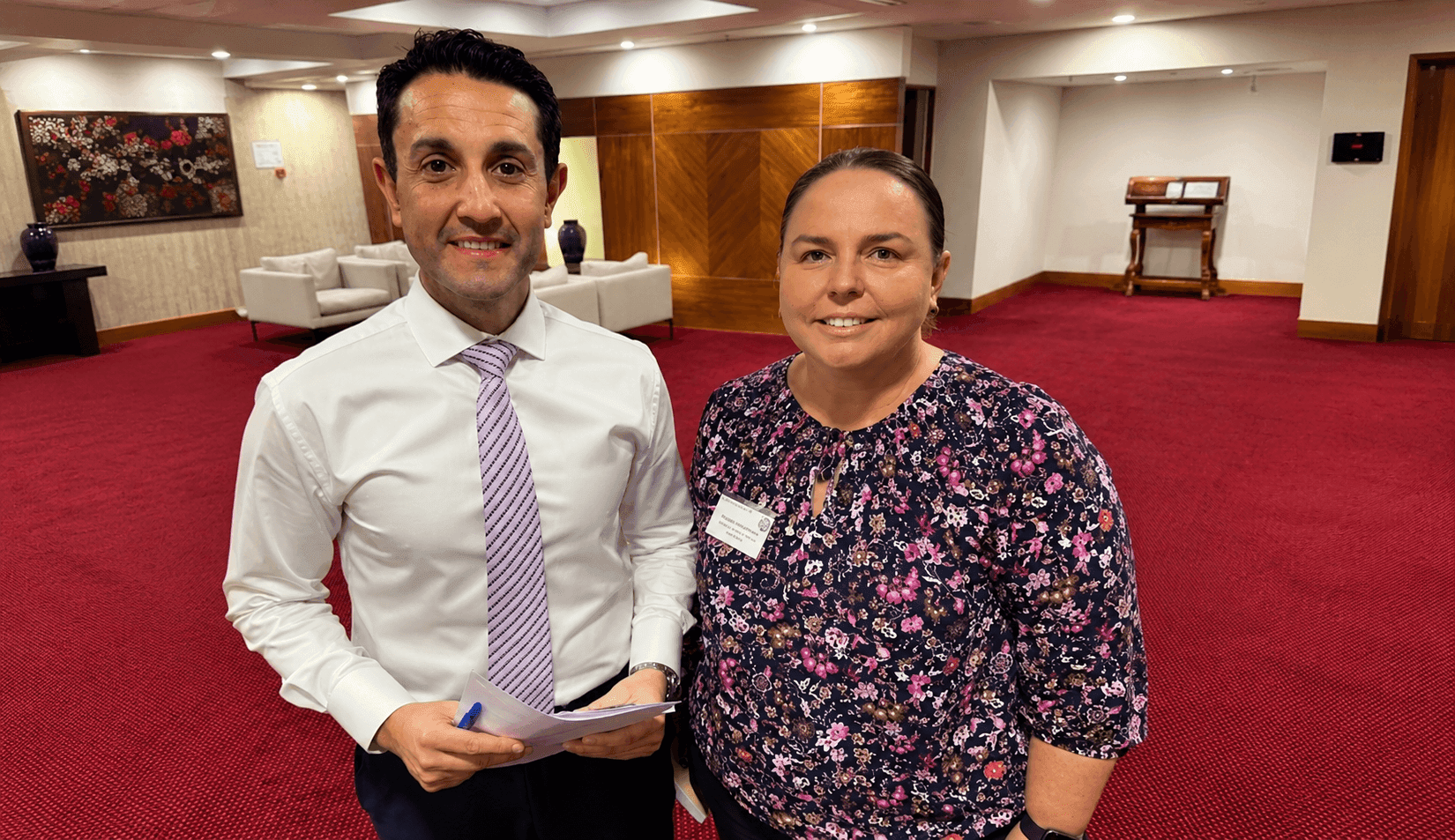
In August 2023, then, Liberal Party Leader, David Crisifulli, held an event, laying bare his roadmap in Parliament House to create a residential system that included early intervention to prevent youth justice outcomes and to address needs, not just behaviour, and to invest in children and families before a crisis, not after it.
It was clear then that there was a vision focused on system transformation, to change practices, and one that aligned with our vision, too that all children can have the best start in life, with the ability to access and participate in quality Early Childhood Education and Care, so they can live a life of choice, not chance.
The report's findings on young children in residential care are among the most confronting in the document. As of June 2024, 634 children under 12 years of age were living in residential care - 46 of them under the age of five.
The Commission is unambiguous: Residential care was not designed for young children. Early childhood is the developmental period in which attachment, relational consistency, emotional regulation and foundational identity are formed.”
The presence of hundreds of children under 10 in shift-based residential care is described as ‘one of the most acute indicators of system failure in the evidence before the Commission.”
This is not just a child-safety system failure that begins at the point of removal. It begins much earlier, in those critical first five years of life, when brain architecture is being built, and attachment to a safe, consistent adult is not a luxury but a neurological necessity.
The Commission’s report is explicit that Queensland’s investment in early intervention is among the lowest of any jurisdiction. In 2021-22, only Western
Australia and Tasmania spent less on intensive family support services. The average investment per child in Queensland was $9,667, well below the national average of $11,403. This underspend illustrates the value gap.
The Commission recommends the creation of a dedicated early intervention and family support function within government, with protected resources, clear accountability and outcome reporting that focuses on family preservation rather than throughput. ACA Qld strongly endorses this recommendation.
High-quality early childhood education and care is of most benefit to children experiencing vulnerability or disadvantage. Every child who attends a quality early learning service has consistent, caring relationships with trained educators. They are observed. They are nurtured. They are noticed.
An educator who sees a child struggling, or a family under stress, is often the first, and sometimes the only, trusted adult. The Commission itself recognises that schools and early childhood settings are among the most important points at which the broader child protection system can act protectively.
We were glad to support the vision Premier Crisafulli articulated in 2023 and fully support the policy decision that no children under the age of five are to remain in residential care. The question now is whether the government will back it with the investment and structural reform it requires. We believe they will.
ACA Qld has been and remains ready to be part of that conversation. Early childhood education and care providers across Queensland are already doing this work, caring for, noticing and supporting some of Queensland’s most vulnerable children and families every single day. The Commission’s report should galvanise all of us to do it better, together, and with the full backing of the state.


Don’t miss a thing




Related Articles