Why the family tour has become one of ECEC’s biggest blind spots
 Marketplace
Early childhood providers can track enquiries, tour bookings and enrolment outcomes. What happens during the tour itself, however, has traditionally been much harder to see.
Across Australia, many early childhood education and care providers are navigating softer occupancy and increasingly competitive enrolment conditions.
In some markets, families have greater choice. Cost-of-living pressures are influencing care arrangements, while heightened public discussion about child safety and service quality is shaping the questions families ask before deciding where their child will belong.
In this environment, attracting an enquiry is only the beginning.
Providers can generally see when an enquiry was received, where it came from, whether a tour was booked and whether the family eventually registered or joined a waitlist.
But what happened during the tour?
What mattered most to the family? Were their questions answered? Did the service demonstrate the quality they were looking for? What made them decide to take the next step, or continue looking elsewhere?
For many providers, the tour remains one of the least visible parts of the enrolment journey.
Yet it is often the first time a family can genuinely imagine their child as part of the service.
The first relationship moment
A centre tour is where the promises made through a website, social media presence or initial enquiry become a lived experience.
Families observe how educators interact with children, whether the environment feels calm and welcoming, how confidently leaders answer questions and whether the service appears genuinely interested in their child.
As The Sector recently explored, families are arriving with increasingly informed questions about safety, educator continuity, communication, curriculum, inclusion, affordability and everyday practice.
The tour is therefore more than an enrolment conversation. It is the beginning of a potential relationship between the service, the child and their family.
This connects directly with the National Quality Standard.
Quality Area 6 recognises that collaborative relationships with families are fundamental to achieving quality outcomes for children. Element 6.1.1 requires families to be supported from enrolment to become involved in the service and contribute to service decisions.
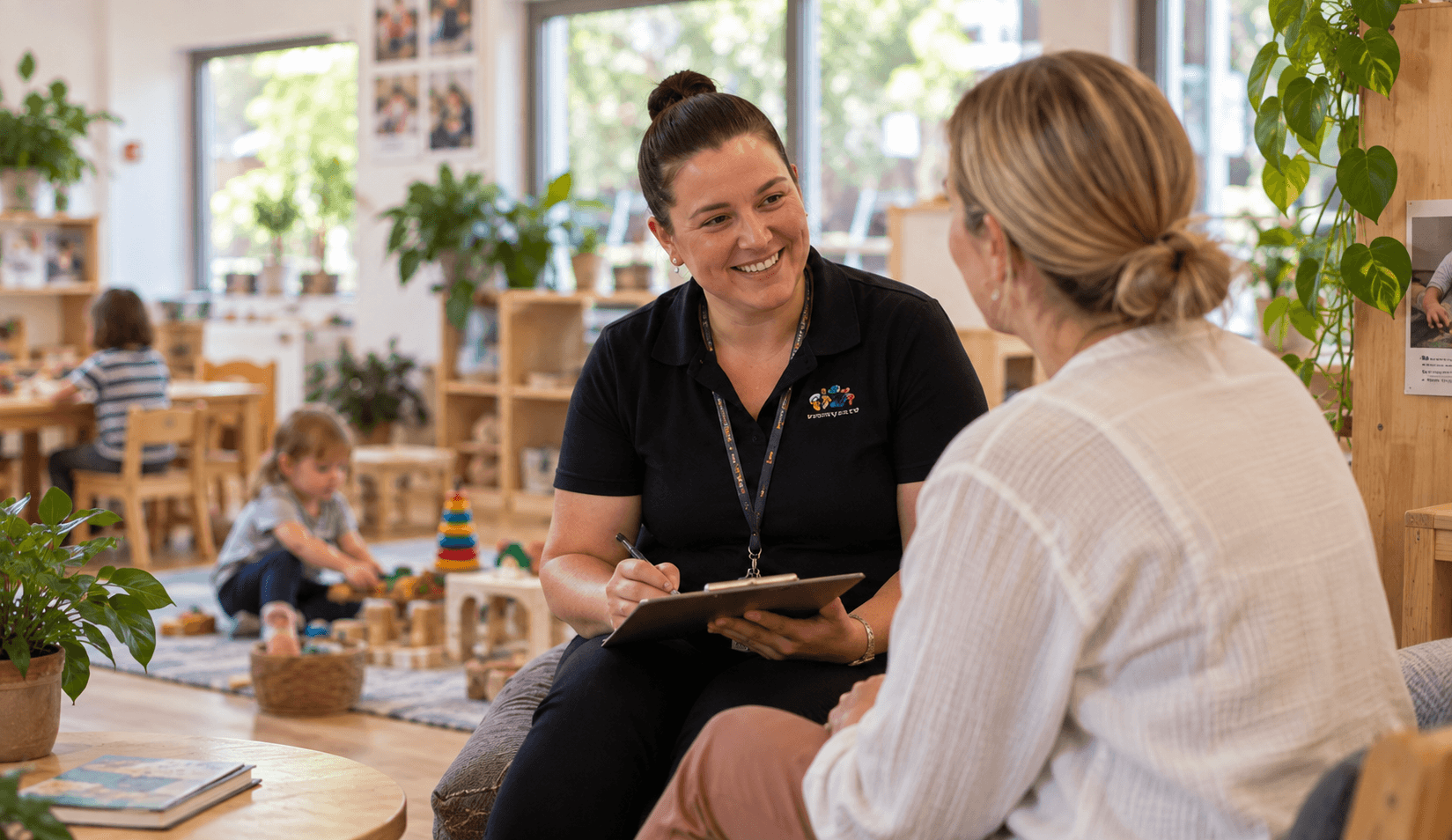
ACECQA describes enrolment as a family’s first major engagement with a service and encourages providers to give families opportunities to express their expectations before, during and after the enrolment process.
Seen through this lens, the tour is not simply about showing a family the rooms, playgrounds and facilities. It is an opportunity to listen, understand what matters to them and begin building trust.
Why tours can be difficult to get right
Even within well-run organisations, the quality of the tour experience can vary.
It may depend on the experience of the person conducting the tour, how much information they can recall about the family and whether they have had time to review earlier communications.
It can also depend on whether the organisation has established consistent talking points and how effectively the outcome is recorded afterwards.
An experienced service manager may instinctively tailor the conversation, introduce the right educators and respond to concerns as they emerge. A newer leader, relief manager or team member stepping in at short notice may have less context and fall back on a standard walkthrough.
Across a multi-site organisation, that variability can become even more pronounced.
Consistency does not mean delivering an identical, scripted tour to every family. It means giving each tour host a reliable foundation while allowing the conversation to reflect the family’s priorities.
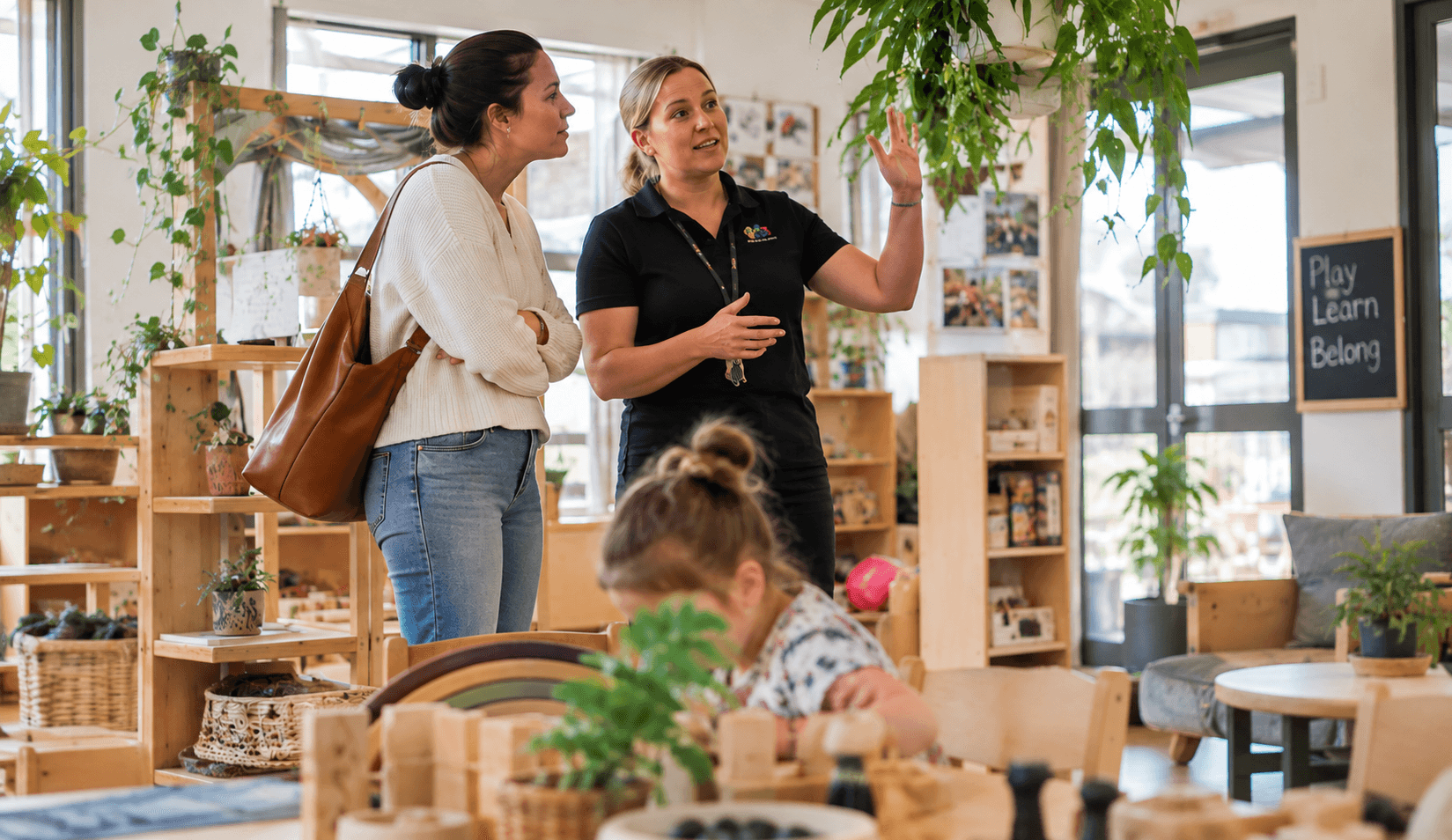
One family may want to understand educator tenure and how their child will develop secure relationships. Another may be focused on the learning environment, daily routines or how quickly care could begin. Another may need to discuss inclusion, cultural expectations, communication or support during their child’s transition into care.
Families want to feel seen and heard. Most importantly, they want confidence that the service understands what matters to their child and family.
Bringing greater visibility to the tour
To address this gap, LineLeader has developed Tour Intelligence, a new offering within LineLeader Enrol.
This new offering surfaces family priorities, previous interactions, organisational talking points and post-tour reflections into the workflow service teams already use. Tour Intelligence enables centre personnel to provide a first-class tour experience by intelligently surfacing context and important signals ahead of the family’s arrival..
Before a scheduled visit, the tour host can generate an AI-assisted intelligence report on the family, which draws on previous recorded interactions that have already taken place leading up to the tour.
Rather than searching through separate emails, messages and notes, the service leader can now understand what the family has identified as important in their decision making process, and matters to them most.
During the tour, centre wide talking points surface in order to provide a consistent messaging across areas such as curriculum, food programs, special initiatives and other important features of the service.

Following the visit, structured prompts allow the tour host to record the outcome, family sentiment and perceived likelihood of enrolment. This information can contribute to reporting and trigger smart workflows and follow-up actions..
LineLeader’s ultimate goal is to enable operators to turn a generic and repetitive walkthrough of their centre into curated experiences for their prospective families..
Supporting the people conducting the tour
Technology is not the tour.
It cannot create warmth, professional judgement or authentic connection. Those remain human capabilities.
What it can do is make important information easier to access, support more consistent preparation and reduce the likelihood that a family’s question or concern is lost between their initial enquiry and arrival at the service.
This may be particularly valuable when a newer leader is conducting the tour, a relief manager is stepping in or a provider is seeking greater consistency across several services.
It can also reduce the need for families to repeat information they have already shared.
For the family, personalisation may be as simple as being greeted by name, having their priorities acknowledged and receiving clear answers to the questions they raised before arriving.
Those moments signal that the service has listened.
Turning individual tours into service learnings
The post-tour stage provides an opportunity to understand more than whether a family enrolled.
When tour outcomes and family sentiment are captured consistently, operators can begin identifying patterns and asking better questions.
Are tours being scheduled at times when the service can present itself calmly? Are particular family concerns appearing more frequently? Are follow-up actions being completed reliably? Do newer leaders require additional coaching or clearer talking points?
The information will not provide every answer, but it can help leaders focus their attention and make more informed decisions about the enrolment experience.
It also creates an opportunity to consider the tour as part of continuous improvement rather than an isolated administrative task.
The influence extends beyond one family
Families talk about their experiences.
They compare services with partners, friends and relatives. They share recommendations at school pick-up, in parent groups and around weekend barbecues.
A positive tour can become a story about feeling welcomed, listened to and reassured. A disappointing experience can become a reason another family looks elsewhere.
The influence of a tour can therefore extend beyond the family standing in the foyer. It can shape community perception, word-of-mouth recommendations and future enquiries.
At a time when much of the public conversation about early childhood education and care has focused on failures, tours also give quality services an opportunity to demonstrate what good practice looks like in real time.
Not through polished claims or a rehearsed sales pitch, but through everyday interactions, knowledgeable leadership and genuine attention to the needs of each child and family.
A family may not remember every detail of a tour, but they are likely to remember whether the service was prepared, whether their questions were welcomed and whether the conversation felt relevant to their child.
When the tour is approached as the beginning of a partnership rather than a routine walkthrough, it becomes an opportunity to show families the best of who the service is.
Tour Intelligence is a new feature within LineLeader Enrol, supporting early childhood providers across the family journey from first enquiry to enrolment. Further information is available through the LineLeader website.



Don’t miss a thing




Related Articles