Embedding road safety in early childhood settings: what Victorian services need to know
 Article
The Victorian Early Childhood Regulatory Authority (VECRA) has highlighted the importance of embedding road safety practices across early childhood education and care (ECEC) settings, reinforcing that road safety is not an “add-on” but part of everyday operations, family engagement and curriculum design.
In its April 2026 newsletter, VECRA draws on guidance from the Early Learning Association Australia (ELAA), outlining a clear expectation for services to take a proactive, whole-of-service approach to keeping children safe in and around vehicles.
Road safety intersects with several areas of service governance and quality practice, including child safety, supervision, risk management and partnerships with families.
While transport and excursions are obvious areas of risk, VECRA’s guidance also points to everyday moments where safety practices matter, including arrival and departure routines, car park navigation, the use of child car seats, family behaviours around vehicles and educator confidence in responding to unsafe conduct.
Embedding road safety into enrolment, orientation and daily practice helps services establish consistent expectations and reduce the likelihood of preventable incidents.
VECRA’s update encourages approved providers, nominated supervisors and educators to consider how road safety is reflected across service operations and learning programs.
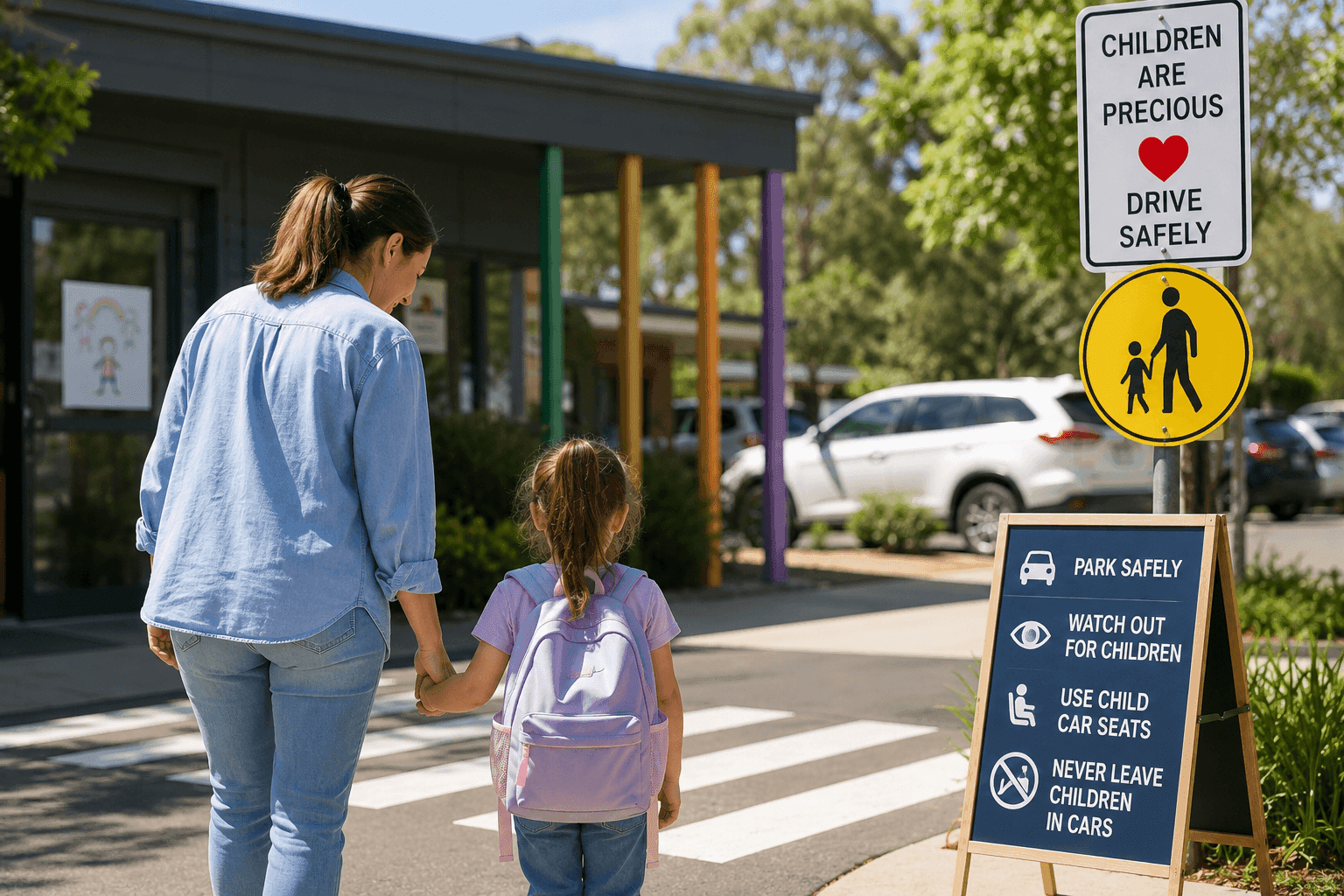
This includes setting clear expectations with families about safe parking behaviours, correct use of child car seats and the importance of never leaving children unattended in vehicles.
It also includes ensuring new families understand road safety expectations from the beginning of their enrolment, supporting educators to confidently address unsafe practices when they arise, and embedding road safety education into everyday curriculum experiences.
These expectations align with the National Quality Framework’s focus on safe environments, risk mitigation and collaborative partnerships with families.
The Starting Out Safely program, delivered by ELAA on behalf of the Transport Accident Commission, provides a suite of supports to help early childhood services embed road safety into practice.
The program includes fully funded, evidence-informed professional development for early childhood services, specialised training for family day care educators and services that transport children, and access to expert facilitators including Catharine Hydon, Karen Glancy, Gilda Howard and Jenny Voogt.
Services can also access free policy templates for centre-based services and family day care, along with multilingual educator and parent resources in more than 20 languages.
For kindergarten programs, ThingleToodle road safety sessions remain available, with eligibility linked to completion of professional development within the past three years.
VECRA also highlights the availability of multilingual child car seat resources, including a video developed with the Royal Children’s Hospital Melbourne through the Car Seats Save Lives initiative.
Services can access training, resources and further program information through the Starting Out Safely website.
For approved providers, nominated supervisors and service leaders, the guidance reinforces that road safety should be systematically embedded across governance, operations, curriculum and family engagement.
This may include reviewing road safety and transport policies, ensuring staff training is current and documented, incorporating road safety into risk assessments and quality improvement planning, and strengthening communication with families about safe behaviours.
Embedding road safety is not only a compliance issue. It is part of creating safe, predictable environments for children and supporting families to adopt safe practices beyond the service gate.
Access the information and resources here.


Don’t miss a thing




Related Articles