



The parent's guide to the 2026 Census: why every family counts on 11 August
 Article
Australia’s next national Census will take place on Tuesday 11 August 2026, with families encouraged to understand how the information they provide helps shape early childhood education and care, schools, healthcare and community services.
Conducted every five years by the Australian Bureau of Statistics (ABS), the Census counts every person and household in Australia and provides the country’s most comprehensive snapshot of who lives here and how communities are changing.
For the early childhood education and care (ECEC) sector, Census data supports decisions about where services are needed, how communities are growing and what infrastructure and support families may require in the future.
Census information helps governments, councils and community organisations plan schools, healthcare, transport, infrastructure and local services for individuals and families.
It can also provide valuable insight into the needs of families with young children.
Playgroup Australia, for example, uses Census data to understand changing community needs, identify gaps in its network and plan when and where playgroups are offered. This includes providing more weekend and after-hours sessions to accommodate working families.
The ABS is reminding households that every person should be included, including babies and young children. Accurate information about the number and location of children helps build a clearer picture of the services communities may need.
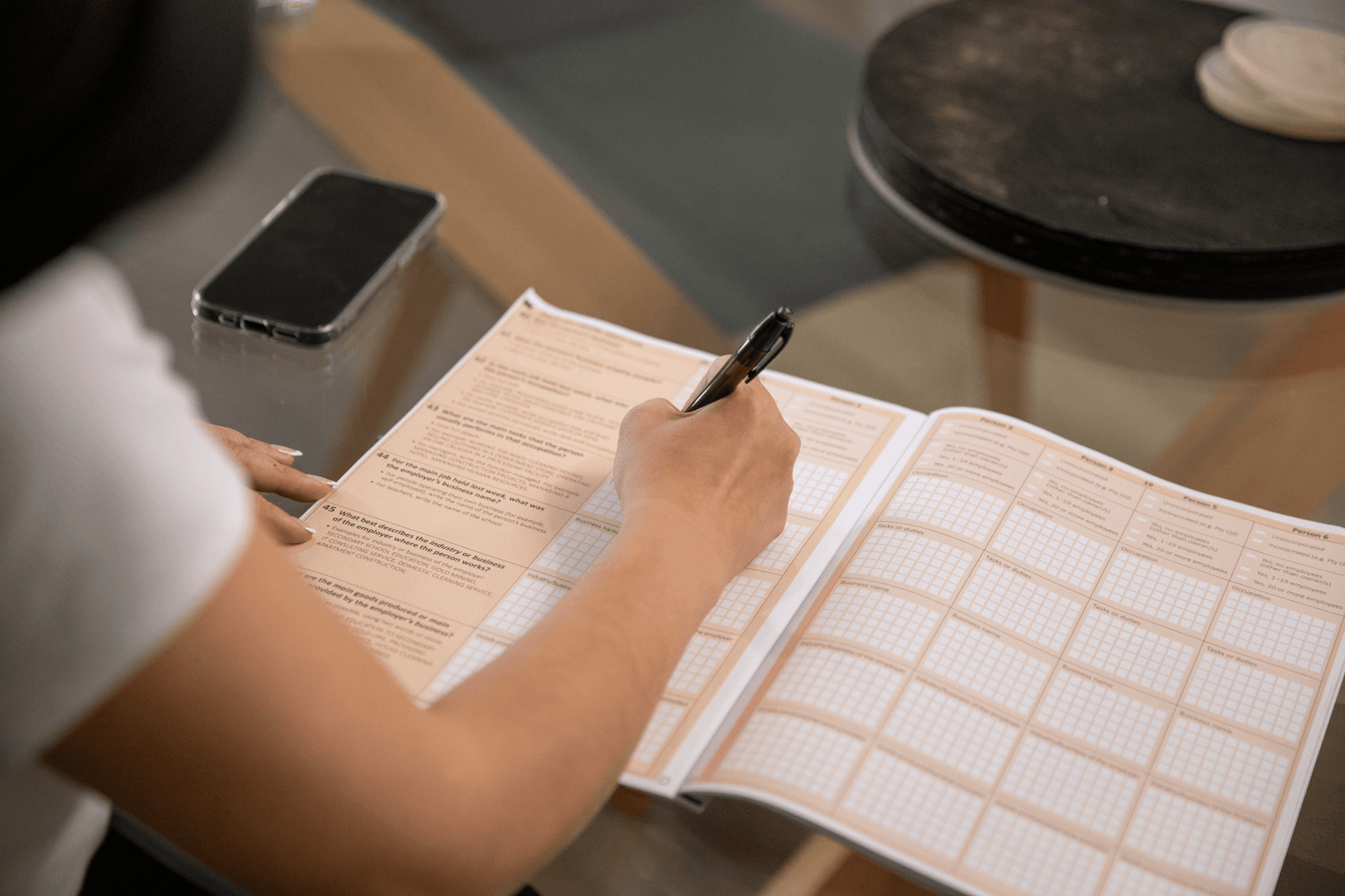
The Census is compulsory, and households will be able to complete it online or using a paper form. The ABS will also provide phone and online support, translated materials, information hubs and assistance from Census field staff.
Families do not necessarily need to wait until Census night to complete the form. Once instructions arrive, it can be completed early when the household already knows who will be staying at the address on 11 August.
Preparing information such as birth dates, ancestry details and formal qualification titles before beginning may make the process easier. Households completing the Census online can also save their progress and return later.
Children staying at another household should generally be included on the Census form where they sleep on Census night. Their usual household should record them as usually living at the address but temporarily away.
For children in shared parenting arrangements, the ABS advises including the child on the form for the household where they spend Census night. The usual address should be the home where they spend most of their time.
Children attending a school camp or excursion should be included on their family’s household form rather than being counted at the camp venue.
Different arrangements apply to boarding school students. Children who live at boarding school for less than six months of the year should generally be included on their household form, while those who live there for more than six months will be counted at the boarding school.
Although completing the Census is a relatively small task for each household, the combined information helps governments and organisations understand population change and make decisions about future services.
For ECEC providers and sector leaders, Census data contributes to a broader evidence base for service planning, workforce analysis and investment in communities experiencing growth.
The ABS says the Census provides valuable statistics about what communities need now and into the future, reinforcing the importance of every household taking part.
Further information is available through the Australian Bureau of Statistics 2026 Census website.


Don’t miss a thing



Related Articles