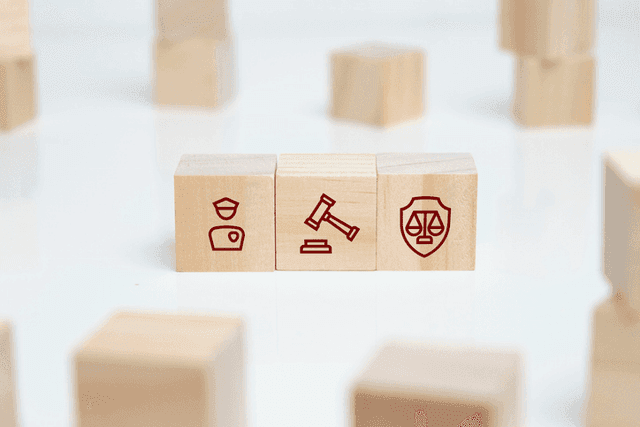
The final course in Australia’s national child safety training package focuses on leadership and governance. Providers can prepare by checking who needs it, scheduling completion and keeping training records current.
Incident and near miss records can help early childhood services identify patterns in supervision, staffing and practice. Reviewing those records can also reveal where further attention or changes to practice could reduce risk.
ACECQA’s latest figures show a modest improvement from a year ago, while the national share of services rated Meeting the National Quality Standard (NQS) or higher remained at 92% over the past quarter.
A SnappyWords article on study strategies for students with ADHD offers ideas such as visual reminders and predictable routines. In early childhood education and care (ECEC), these ideas need to be adapted for play-based learning and each child’s circumstances.ators to become qualified teachers.
Nominations are open for the 2026 ANZUK x ELAA Impact Award, recognising an individual who has made an outstanding contribution to their early childhood education and care service and community.
At a Chatswood early childhood service, a vegetable garden is bringing children and grandparents together to grow food and share knowledge.
The inaugural initiative will run from 20 October to 20 November 2026. Early childhood providers and training organisations can host free events and contribute their workforce experience.
When floods, bushfires or other crises disrupt an early childhood education and care (ECEC) service, someone has to make decisions about staffing, safety, communication and continuity of care. An Australian study suggests that leaders also carry a less visible responsibility: absorbing uncertainty and helping their teams and families manage it.
As Australia looks to evidence-based teaching to improve student outcomes, UNSW researcher Dr Robin Nagy says research should inform teachers’ decisions, not dictate a one-size-fits-all approach.









 Article