

Understanding Children
From obesity to allergies, outdoor play is the best medicine for children
Freya Lucas
Jun 01, 2020
Save
What if there was a simple, inexpensive and fun way to address some of the major challenges facing humanity today. What if it could help improve children’s health, development and well-being?
Imagine a solution that could stem the current epidemics of obesity, anxiety and depression affecting children and youth today. Imagine that this solution could also promote brain health, creativity and academic achievement and prepare our children for the rapidly-changing work force.Along the way it could reduce incidence of allergies, asthma and other immunity challenges and improve eye health. It could foster a culture of environmental stewardship and sustainability and help build the health of cities — promoting neighbourliness and feelings of community connection.
Imagine that this intervention could also help countries meet their targets for many of the United Nations Sustainable Development Goals, such as the goals of Good Health and Well-being, Inclusive and Equitable Quality Education, Decent Work and Economic Growth and Climate Action.
This isn’t an expensive intervention, or one that parents have to force their children to do — like homework or eating their vegetables. Rather than dreading it, children report being at their happiest when doing it and they seek ways to keep at it for as long as possible.
What is this fix-all simple solution? Playing outside.
The magic of outdoor play
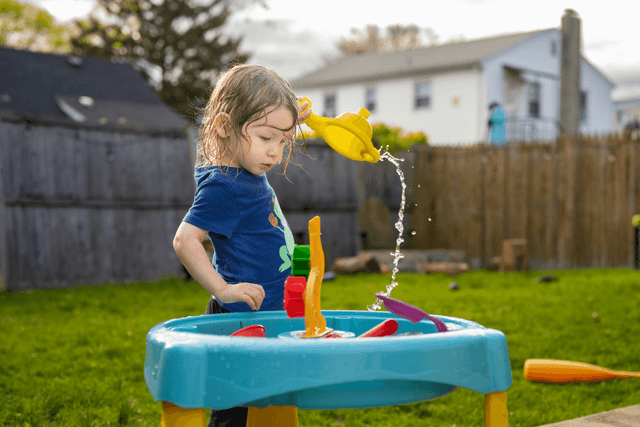
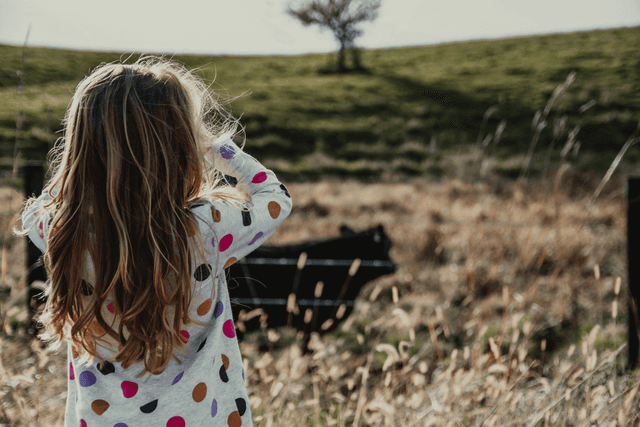
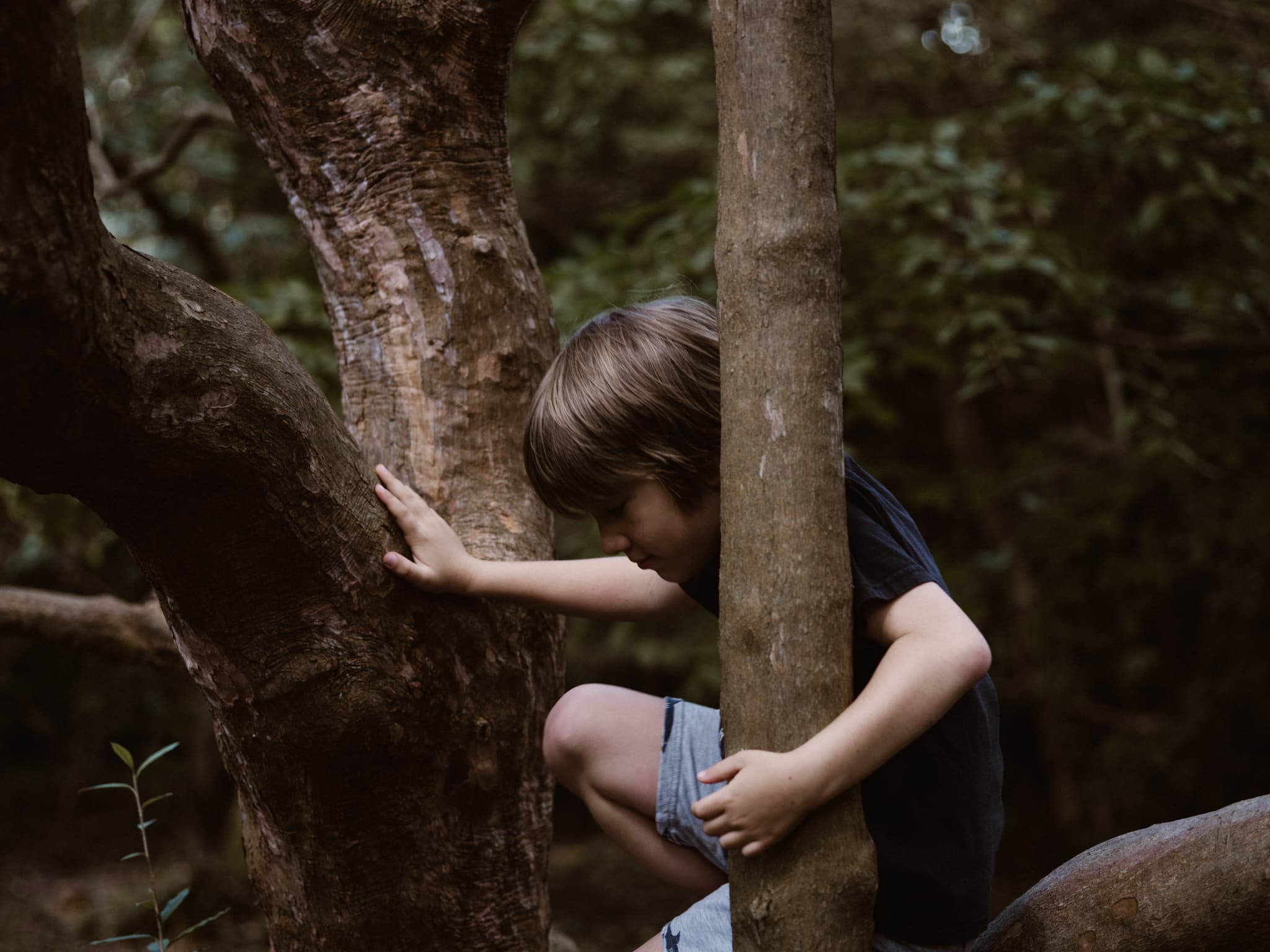
Many of us have fond memories of childhoods spent outside, hanging out with friends in our neighbourhoods, parks and wild places, making up the rules as we went along, with minimal (if any) adult supervision.They get their hands in the dirt and are exposed to microbes that help them build their immunity. They make their own goals and figure out the steps to attain those goals, helping them build executive function skills. They learn, build resilience and develop their social skills, learn how to manage risks and keep themselves safe. Their eyes get the exercise they need to help combat short-sightedness.
We are rediscovering the magic of outdoor play. Governments see it as a way of getting kids active and averting the obesity crisis. Schools and early childhood centres see it as a way of promoting academic and socio-emotional learning. Corporations see it as a way of preparing children for the jobs of the future that will focus on creativity, empathy and connection with others. Children just see it as a way of having fun and feeling free!
Adults must let go of their fears
There are three key ingredients to supporting outdoor play: time, space and freedom.Kids need time to be able to play outside. In schools, that means recess policies that get kids outside every day, finding opportunities to use the outdoors for learning and limiting homework. At home, that means laying aside screens and limiting scheduled structured activities.
Finally, freedom: the biggest barrier to children’s ability to play the way they want to play is adults. We need to let go of our excessive fears of injuries and kidnapping and realize that the benefits of kids getting out to play far outweigh the risks. My lab developed a risk reframing tool for parents and caregivers to help them on this journey.
Support the children in your life
Helping support children’s outdoor play can be as simple as opening the front door. It doesn’t have to be complicated or expensive. If we all do our bit, we can help bring back this crucial activity that should be part of all children’s daily lives, regardless of age, cultural background, gender or ability.I would encourage you to consider one simple and attainable thing you are going to do today to help get the child or children in your life get out to play.

Mariana Brussoni, Associate Professor of Pediatrics and Population and Public Health, University of British Columbia
This article is republished from The Conversation under a Creative Commons license. Read the original article.


Don’t miss a thing



Related Articles