Risk management as resilience: strengthening governance in ECEC services
 Article
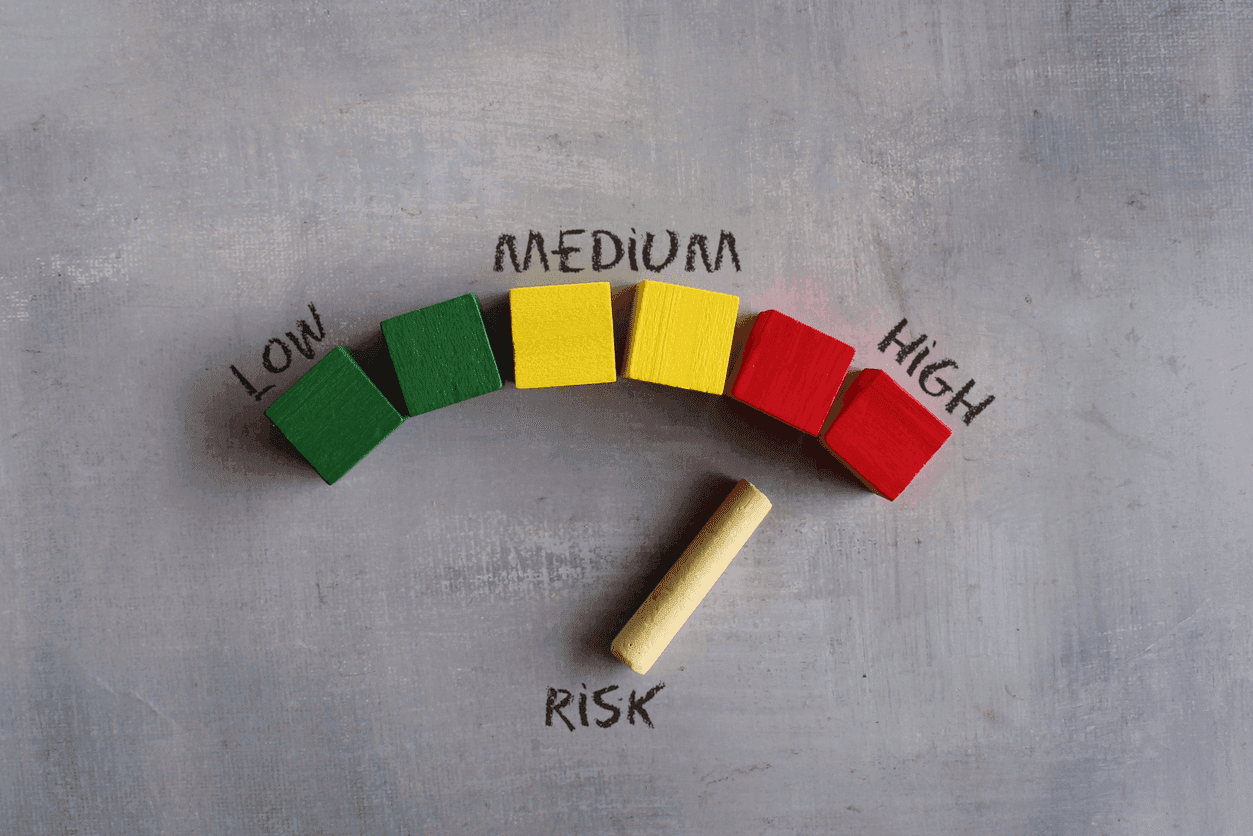
Risk management in early childhood education and care is often associated with incident response. Increasingly, however, leading services are reframing risk as a governance discipline that strengthens stability, protects reputation and supports long-term sustainability. When embedded proactively, risk management becomes a foundation for resilience rather than a reaction to crisis.
The operating environment for early childhood education and care (ECEC) services continues to evolve. Regulatory scrutiny, workforce pressures, rising family expectations and increased public visibility require strong governance systems.
Under the Education and Care Services National Law and Regulations, approved providers carry significant legal responsibilities. The National Quality Standard (NQS), particularly Quality Area 7, Governance and leadership, reinforces the expectation that services operate with clear accountability and effective oversight.
In this context, risk management is not optional. It is central to quality assurance and organisational confidence.
Risk in ECEC can take many forms, compliance breaches, workplace injuries, reputational damage, financial instability or cybersecurity concerns. While incidents may be unavoidable, their impact can be mitigated through structured planning.
Services strengthening resilience typically conduct regular risk reviews that consider:
- Regulatory compliance processes
- Staffing and succession vulnerabilities
- Financial sustainability projections
- Workplace health and safety systems
- Communication protocols during incidents
By identifying vulnerabilities early, leadership teams can implement preventative measures rather than responding under pressure.
This proactive approach reduces disruption and supports service continuity.
Strong governance is distributed. While approved providers hold ultimate responsibility, effective risk management involves centre managers, educational leaders and administrative teams.
Clear delegation frameworks ensure that responsibilities are understood and documented. For example:
- Incident reporting pathways are transparent
- Compliance checklists are scheduled and monitored
- Policy reviews occur at defined intervals
- Internal audits are conducted systematically
These structures reinforce alignment with regulatory requirements and reduce the likelihood of oversight.
When accountability is embedded, compliance confidence increases.
Financial sustainability is a critical, and sometimes overlooked, component of risk management.
Rising operating costs, wage pressures and occupancy fluctuations require careful forecasting. Services strengthening resilience often implement:
- Regular budget reviews
- Scenario planning for occupancy changes
- Monitoring of revenue concentration risks
- Transparent fee communication strategies
Financial clarity supports informed decision-making and protects workforce stability.
When financial risk is monitored proactively, services can continue investing in professional development, curriculum quality and infrastructure improvements.
In an era of rapid information sharing, reputational risk can escalate quickly. Services that prepare communication frameworks in advance are better positioned to respond calmly and consistently.
Crisis readiness may include:
- Pre-drafted communication templates
- Clear spokesperson designation
- Defined escalation procedures
- Training in respectful, transparent messaging
Timely and accurate communication reassures families and protects trust.
When families feel informed rather than excluded, confidence in leadership strengthens.
Work Health and Safety obligations extend beyond physical hazards. Psychosocial risks, including workload pressure and interpersonal conflict, require structured management.
Services embedding wellbeing strategies, such as clear workload boundaries, reflective supervision and leadership training, reduce both staff turnover and safety risk.
This alignment between workforce wellbeing and governance reinforces organisational resilience.
Under Quality Area 4, Staffing arrangements, maintaining stable, supported teams contributes directly to service continuity.
Assessment and rating processes evaluate compliance and quality. Services that conduct internal mock reviews or compliance audits often experience greater confidence during official visits.
Internal review frameworks may examine:
- Documentation accuracy
- Child safety procedures
- Staff qualification records
- Emergency preparedness plans
By treating these reviews as learning opportunities rather than fault-finding exercises, services cultivate a culture of continuous improvement.
This approach aligns directly with the intent of the NQS.
Families entrust services with the care and education of their children. Visible governance structures, clear policies, transparent communication and consistent leadership, reinforce that trust.
Risk management is rarely visible to families in explicit terms. However, its effects are evident in smooth operations, confident staff and consistent service delivery.
When systems are stable, children experience continuity. When leadership is prepared, disruptions are minimised.
This stability strengthens community reputation and enrolment confidence.
In a demanding operating environment, resilience distinguishes sustainable services.
Risk management frameworks do not eliminate uncertainty. They create preparedness.
Services that invest in governance capability, financial oversight, workforce stability and communication readiness position themselves for long-term success.
Rather than viewing risk management as a compliance burden, sector leaders are increasingly recognising it as strategic infrastructure.
In early childhood education and care, resilience protects not only business continuity, but also the quality and consistency of experiences provided to children and families.
When governance is strong, confidence follows.


Don’t miss a thing




Related Articles